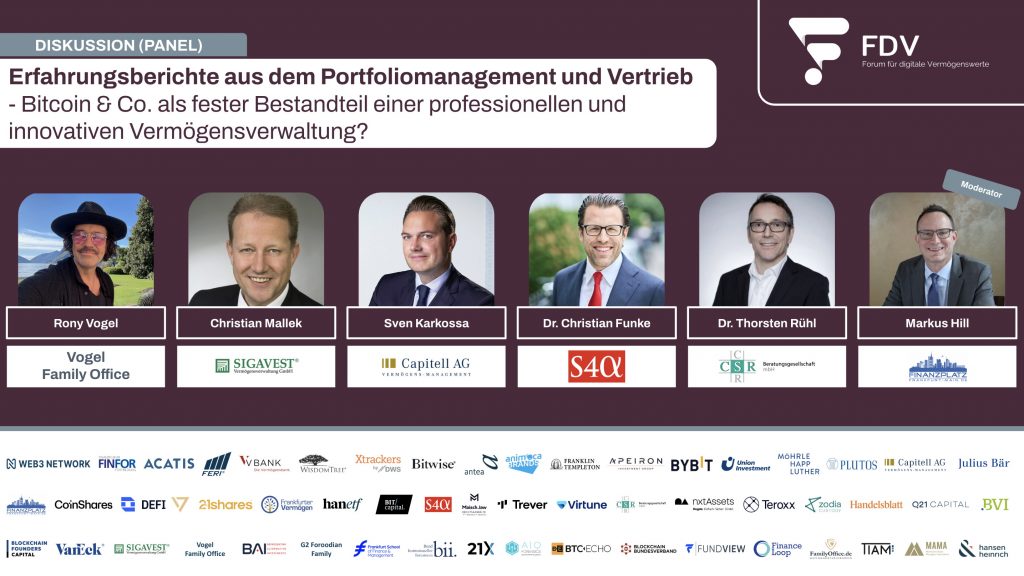
FRANKFURT FINANCIAL CENTER & SWISS FINANCIAL CENTER: High-Value Assets – History, Networks, Trust, and Looking Beyond Asset Classes (INTERVIEW – Tobias Heining, Martin Fiddler Aviation)

The Frankfurt am Main financial center engages in a discussion with Markus Schwingshackl of PRIVATE KEY NETWORK in Zurich and recommends exchanging ideas with an interesting networker from Zurich. We were happy to take up the challenge. At first glance, business jets, yachts, art, real estate, precious metals, and wealth management seem like separate worlds. In reality, however, they often raise the same questions among entrepreneurial families, private clients, and UHNWIs: Who can you trust? Who understands complex assets? And where can a professionally sound exchange take place beyond traditional industry boundaries?

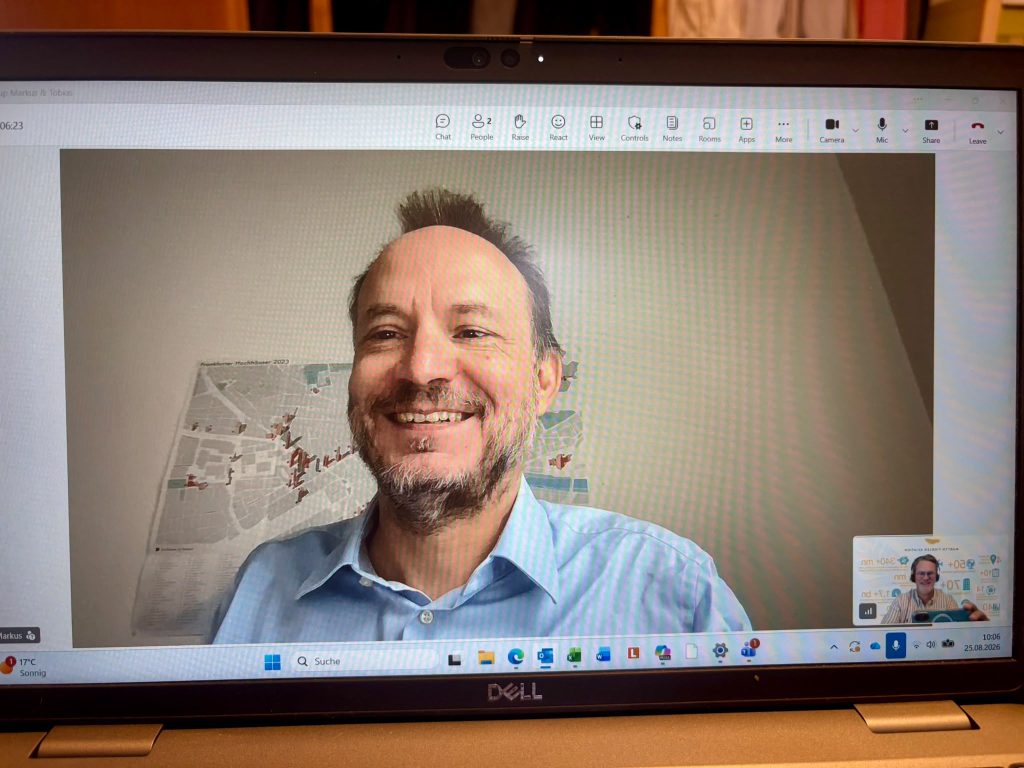
Tobias Heining is familiar with both the world of major international law firms and the unique requirements surrounding high-value mobile assets. Through the High Value Assets Roundtables, he brings together experts, providers, and influencers from various asset classes. In conversation with Markus Hill, he discusses his unusual career path, the work of Martyn Fiddler, and why a good network thrives not on hoarding but on sharing.

Hill: From studying history to the world of major law firms to business jets and yachts—a résumé you could hardly make up. Who is the person behind it all, and what makes him tick?

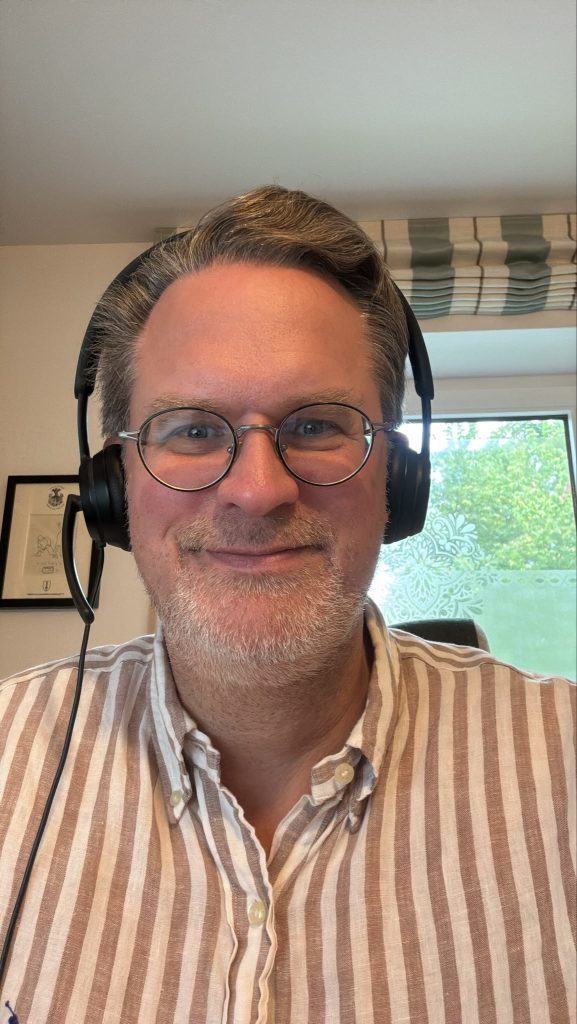
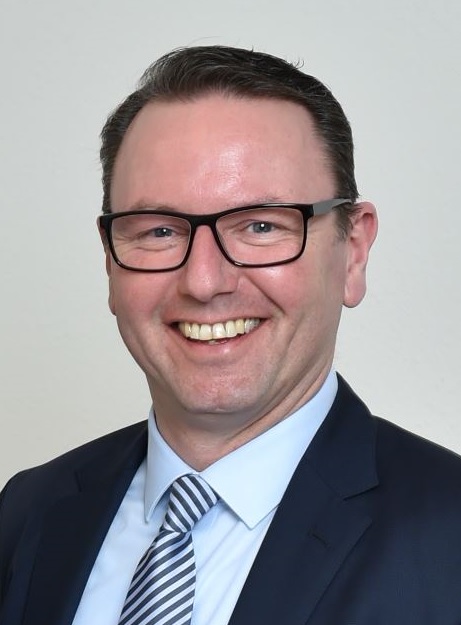
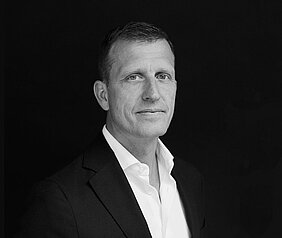
Tobias Heining, Martin Fiddler Aviation

Heining: When I earned my master’s degree in 2001, I started working at a PR agency that, among other things, advised major law firms and accounting firms on public relations matters. At the time, that was still a relatively niche but exciting and challenging field of work. From there, my path led me to the client side, working with major U.S., British, and German law firms. There, I held various positions, eventually leading large teams with corresponding budget responsibility in the areas of business development, marketing, and communications.

It’s not a big leap from business development and strategic positioning to innovation, new business models, and more efficient processes and administrative functions. As a leader, I want to understand markets, structures, and processes and drive change to make a company fit for the future. In the age of artificial intelligence, this is likely one of the central challenges. This is precisely what motivates me: I see myself as a strategist, networker, and innovator.

Despite my enthusiasm for change, a human touch and maintaining my personal integrity have remained important to me. At first glance, these may not always seem entirely compatible. The move into business aviation and yachting came as a surprise to me as well. However, it has proven to be a particularly refreshing and enriching experience. The DNA of these industries is fundamentally collaborative and characterized by a high degree of pragmatism and openness. That requires a great deal of mental flexibility—and that’s exactly what I like.

Hill: Business aviation and yachting sound exciting, but also a little nebulous. What exactly does the company you work for do?

Heining: “Vague” is a nice word to use in this context. We help our clients safely navigate some of the pitfalls of business aviation and yachting. For more than 40 years, Martyn Fiddler has been a boutique firm specializing in tailored international solutions—particularly for owners and operators of complex mobile assets such as business jets, helicopters, and yachts.

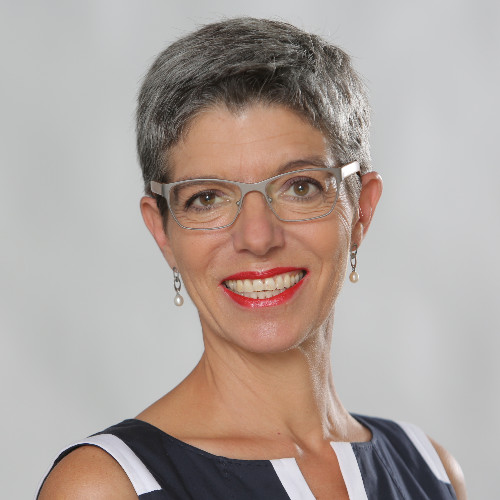
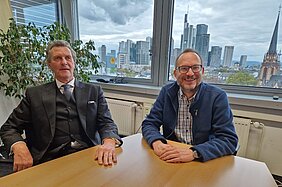
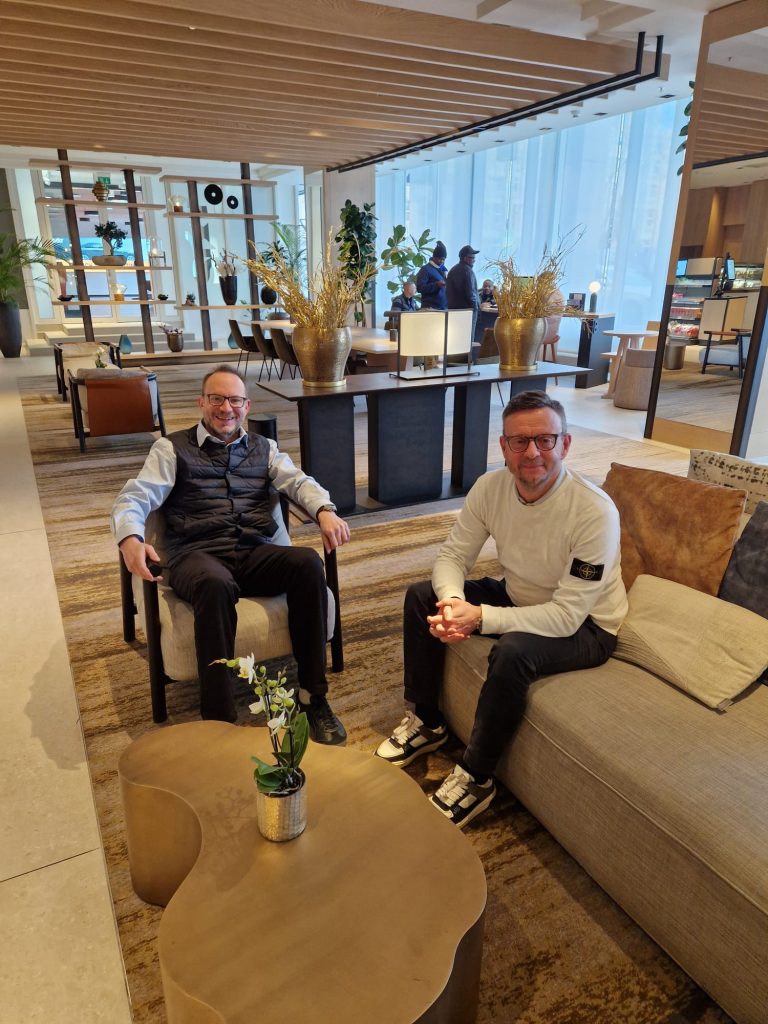
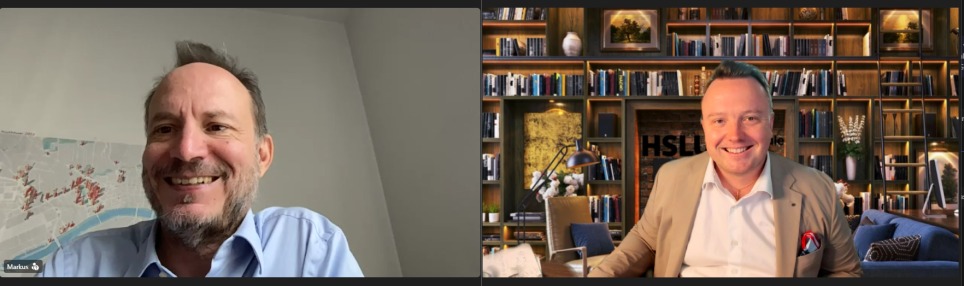
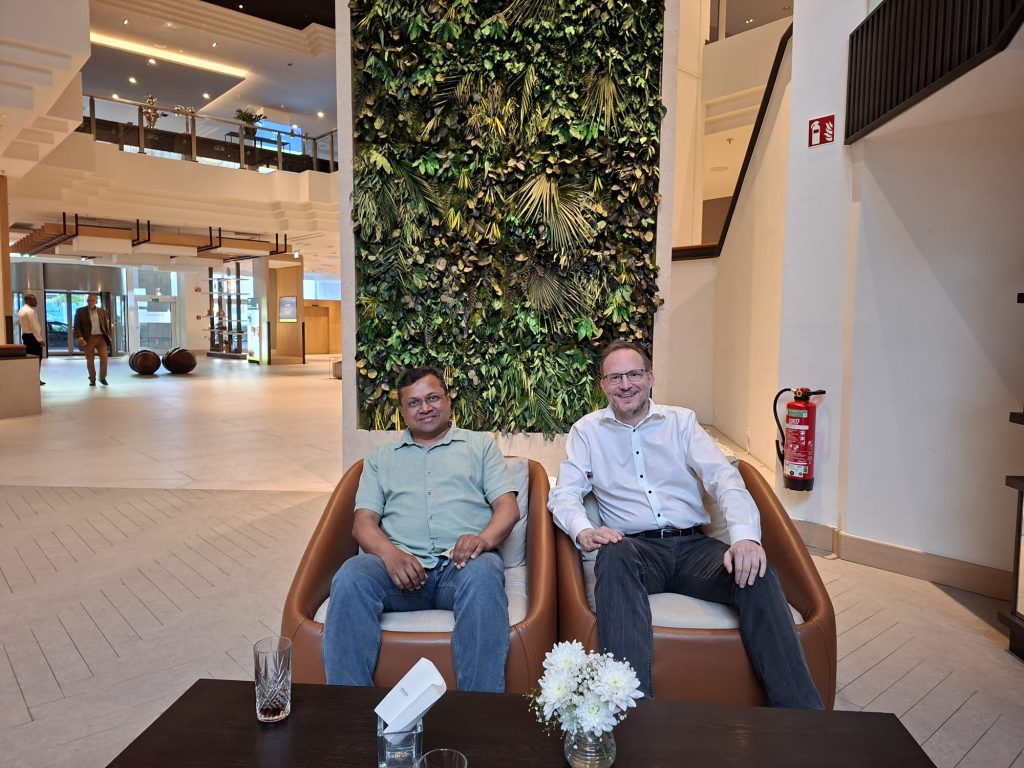
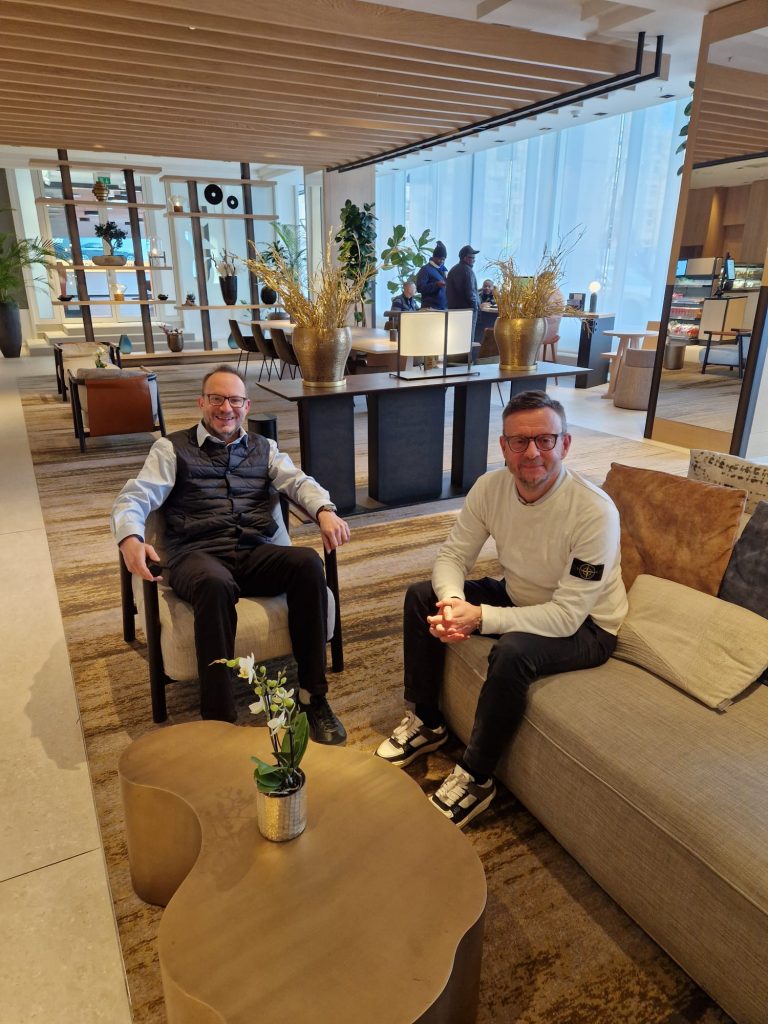
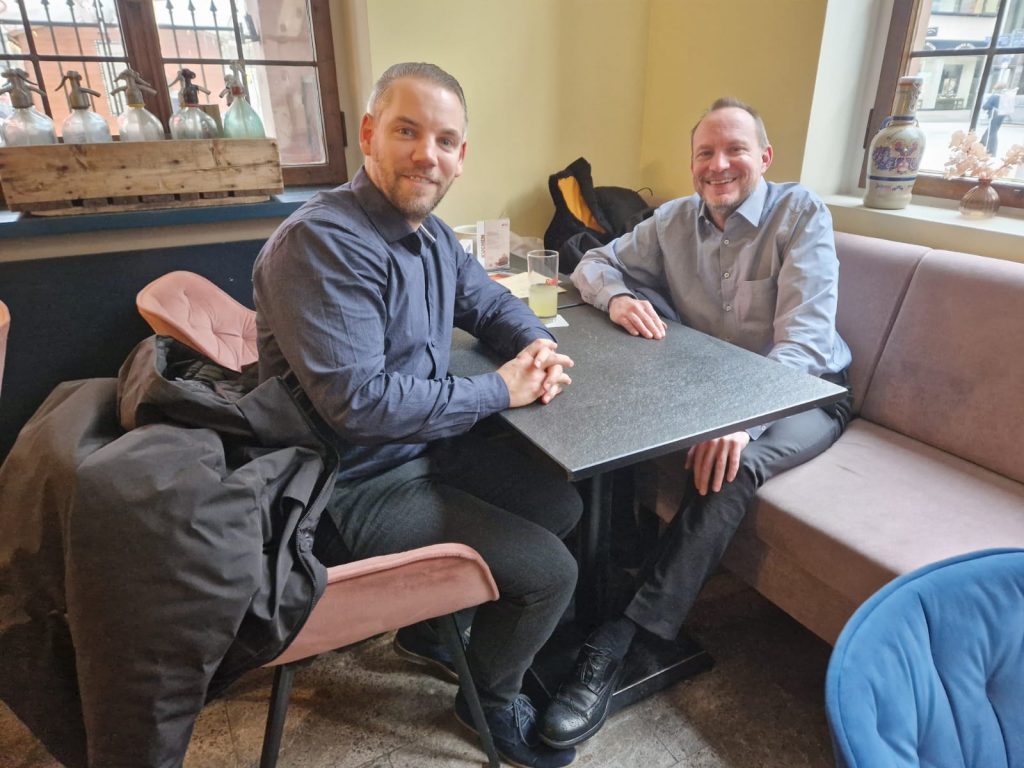
Markus Hill, Finanzplatz Frankfurt & Tobias Heining, Martin Fiddler Aviation

At its core, Martyn Fiddler is a corporate service provider—that is, a provider and administrator of special-purpose entities. In addition, we offer specialized tax consulting and support for all customs-related matters, such as the import and export of assets. We also maintain a global ecosystem of close partners and contacts. This enables us to guide our clients on practical issues beyond our own service portfolio and connect them with suitable professional contacts.

Hill: You’ve earned a reputation as a thought leader, pioneer, and networker in various market segments—for example, in the legal market by being an early adopter of legal technology. Now you’re active in the business jet and yacht sectors. What drives you to innovate, and how did the idea for the High Value Assets Roundtables come about?

Heining: I firmly believe in the power of constructive exchange and the sharing of experiences. For me, the starting point for any networking initiative is therefore always a communication gap between certain individuals or groups. If bridging that gap promises mutual benefits and synergies, a genuine opportunity arises. That was the case when the European Legal Technology Association—ELTA for short—was founded ten years ago, and it was the same with the High Value Assets Roundtables.

The establishment of the first legal tech department at a major German law firm, which I initiated in 2014, was the starting point for me to look beyond the German market. But as is so often the case in Europe, people in Germany knew very little about developments in France, Spain, Italy, the Netherlands, or Central and Eastern Europe—and vice versa. In the United Kingdom, too, there was only limited awareness of developments across the English Channel. With ELTA, we wanted to bring together the various innovators and innovation hubs and create a cross-border platform for sharing experiences.

When I moved into business aviation and yachting in 2023, I quickly realized that although the target audiences overlap significantly and the operational and market-related challenges are similar, there was no structured dialogue between representatives of different asset classes, vendors, and service providers in the luxury, private client, and UHNWI sectors. A corresponding platform was also lacking in the DACH region. With the High Value Assets Roundtables, I wanted to close this gap. I consider this a fruitful approach for all involved.

Hill: What exactly is it about, and what makes the High Value Assets Network interesting?

Heining: The networking platform launched last year with two events in May and October 2025 in Berlin. Two more events have already followed this year: one in April in Germany and one in June 2026 in Austria. Our upcoming event on September 10 in Zurich rounds out this year’s roundtable activities in the DACH region.

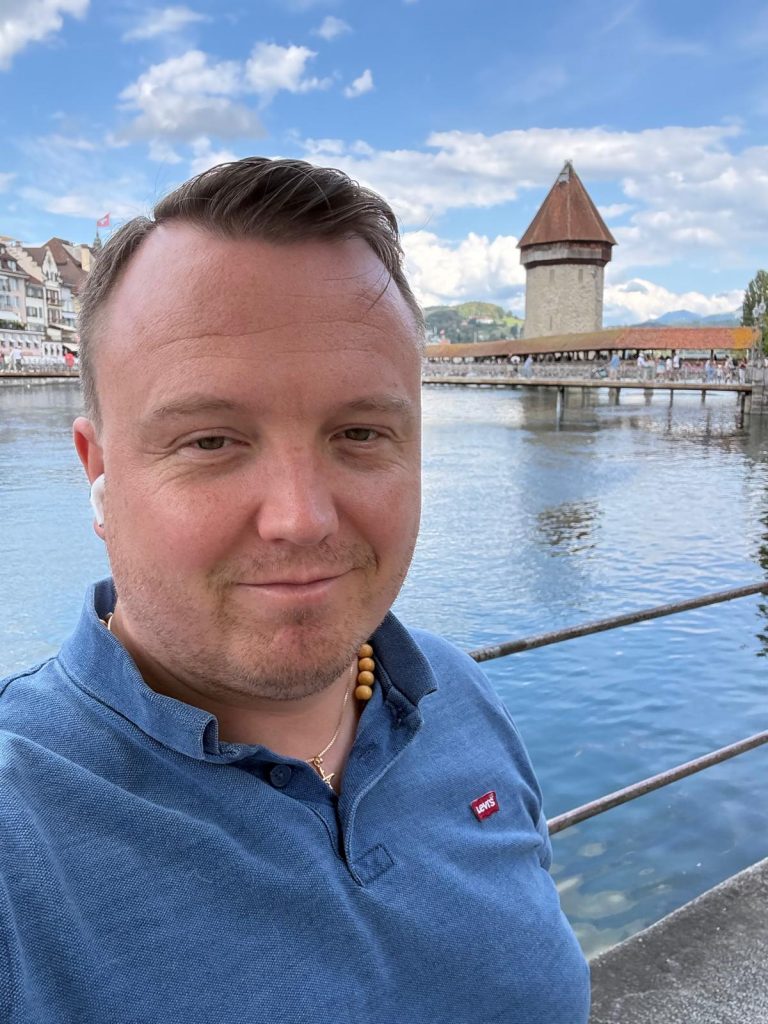
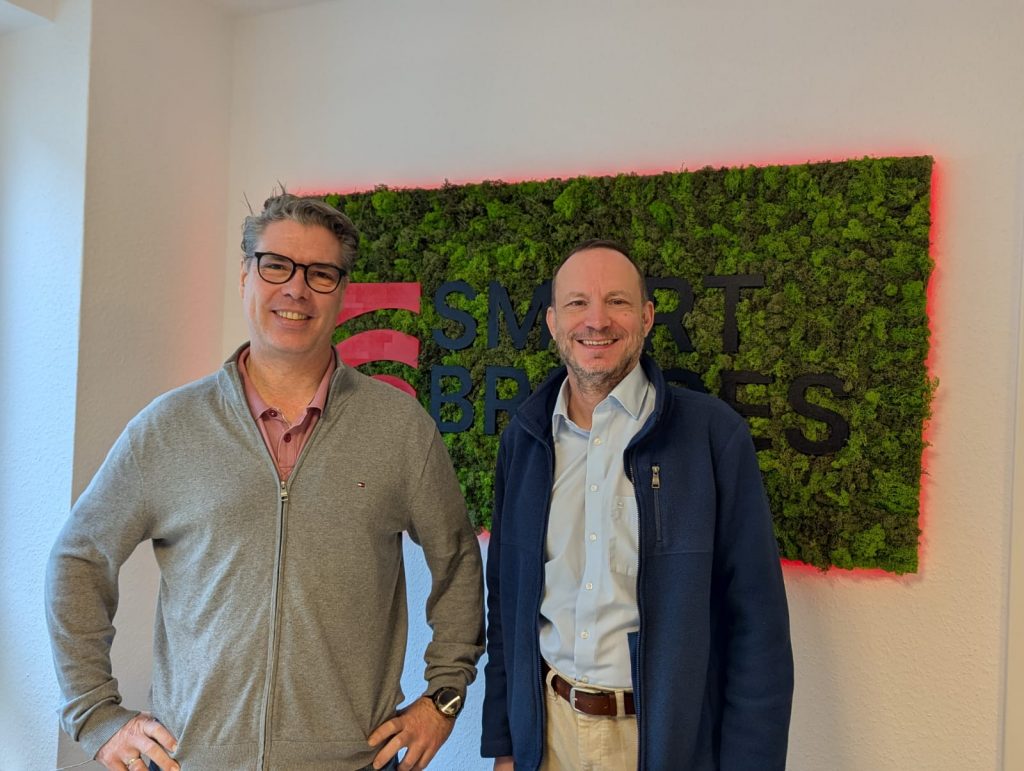
Markus Hill, Finanzplatz Frankfurt & Markus Schwingshackl, Centro LAW

The platform is designed to facilitate and promote professional exchange among representatives of various asset classes, as well as providers and service providers in the luxury, private client, and UHNWI sectors. We all thrive on the strength, breadth, and depth of our networks. At the same time, we rely on trusted influencers with access to the relevant target groups.

At previous High Value Assets Roundtables, guests have represented the fields of business aviation, yachting, real estate, automotive, gemstones and precious metals, wealth management, art and culture, private client services, financing, insurance, law and taxes, as well as security architecture. In addition to topics relevant to these target groups, the discussions consistently focus on the unique characteristics and market specifics of the various asset classes. Equally important is the exchange of experiences regarding comparable operational challenges and potential solutions. In this way, we simultaneously broaden our horizons and expand the reach of our networks.

Hill: Who are the participants, and how can one join?

Heining: At the various events so far, we’ve been able to bring together up to 70 guests. That’s a good size for a networking format. If the group gets any larger, it quickly becomes unwieldy—and I don’t want to turn the format into a conference. The most recent High Value Assets Roundtable near Vienna, however, was significantly larger. That was due to the excellent cooperation with the Austrian Business Aviation Association (ABAA).

The participant group typically consists of experienced representatives from various asset classes, as well as providers and service providers from the aforementioned segments. Two criteria are paramount in the selection process. On the professional side, these include in-depth professional experience and expertise in the luxury, private clients, and UHNWI sectors, a robust network of high-quality contacts, and a willingness to share knowledge and contacts in the interest of all participants.

On the personal side, it’s about embracing new ideas, looking beyond one’s professional horizons, and being willing to expand one’s own experience through friendly exchanges with like-minded individuals. This requires openness, authenticity, a certain degree of humility, and a positive attitude. Sustainable success in a network can only be achieved if one is willing to invest personally and, on occasion, to go the extra mile. Those who wish only to take but not to give do not belong in this network. This likely also applies to people who consider themselves something very special and superior.

Participation is generally by personal invitation from me. I ask those invited to contact me briefly if they’d like to send someone else or suggest additional potential participants. This helps ensure that the exchange of experiences and the quality of the network remain at a consistently high level.

Hill: What are the plans for the future of the network?

Heining: Participants from across the DACH region are already expressly welcome and well-represented at all events. Given the international nature of our markets and target groups, I’d particularly like to further strengthen cross-border networking among these circles. This also includes expanding the network internationally—for example, to London or Monaco. That’s on the agenda, at least for the coming year.

My particular focus, however, remains on attracting new and exciting people to the network and further deepening connections within the individual asset classes and service areas. With a steadily growing network, we will likely also need to consider further professionalizing our structures and, if necessary, adjusting the distribution of responsibilities with potential cooperation partners.

Hill: Thank you very much for the interview. We’re looking forward to the panel discussion with Markus Schwingshackl and wish you every success for the evening in Zurich!

Impression & Philosophy, “Flavor” of the Evening in Zurich (Quote – Tobias Heining):

“As part of our ongoing efforts to encourage meaningful networking among participants, I would be delighted if you could share one question about your business that you would most like fellow attendees to ask you. Rather than a general question such as ‘What exactly does your company do?’ 😌, please consider something more insightful and specific. For example, it could relate to your unique value proposition, the business challenges you help solve, the market segments you serve, or even what really motivates you to go the extra mile or ways in which others could support your business growth.”

Panel Discussion (3:00 p.m., September 10, 2026): Virtual Values – High-Value Assets in the Digital Space

Participants: Moderator: Frank Liemandt is the managing director of the German Helicopter Association and organizer of European Rotors, Europe’s largest helicopter trade show. He is also a professional moderator and created the video interview series “Fly Me to the Top.”

Marco Infuso, Head of Digital Assets Sales for Central Europe, Apex Group.

Markus Schwingshakl is a private clients attorney who advises entrepreneurs, family offices, and high-net-worth individuals. He is also a co-founder of the PKN Private Key Network, a network established in 2025 for professionals in the fields of private wealth, digital assets, and AI, which aims to shape industry standards and foster collaboration among experts.

Robin Kretzschmar is the founder of 7Assets. The team strives to simplify and improve asset management through the use of artificial intelligence and to create a platform that serves private investors, financial advisors, and institutions alike, ultimately helping to optimize asset flows.

Hannes Gurzki is a recognized expert in luxury brand management and marketing who teaches at the International University of Monaco, ESSEC Business School, and the Technical University of Braunschweig. As Program Director at ESMT Berlin, he also works with leading global companies and luxury brands from various sectors on value creation strategies. Hannes has previously published an article on “Luxury Brands in the Digital Space” in the Harvard Business Review.

LinkedIn-Profil von Tobias Heining:

Tobias Heining

Dialogue & Information:

FINANZPLATZ FRANKFURT AM MAIN on LINKEDIN – CHANNEL

FRANKFURT AM MAIN FINANCIAL CENTER on LINKEDIN – GROUP

FUND BOUTIQUES on LINKEDIN – CHANNEL

FINANZPLATZ-FRANKFURT-MAIN.DE, DACHLI Region & FONDSBOUTIQUEN.DE (2026) – Topics, Interests, Dialogue (Selection & “Snapshots”)

February 25, 2026, Frankfurt – “Frankfurt am Main Financial Center Meets Wealth Management”

(Markus Hill – Moderators: Christian Neuhaus – FINVIA, Sven Karkossa – Capitell Vermögens-Management AG, Noel Zeh – Wunderland Capital)

February 26, 2026, Frankfurt – “Forum for Digital Assets (FDV)”

Editorial Team – Special Feature “Frankfurt am Main Financial Center Meets Wealth Management & Digital Assets”

(Interviews / Guest Contributions, “Support” & MORE: info: markus-hill.com)

March 17, 2026, Frankfurt – Private Markets Excellence Forum – “Private Markets, Family Offices & Foundations – Due Diligence & Outlook 2026”

(Markus Hill – Fireside Chat: J. Paulo Dos Santos – Managing Director, VIRATIO GmbH)

Interview with Christian Hommens – SMART IMPACT INVESTING & PRIVATE MARKETS

Spring 2026Investor Study “Preferences of Institutional Investors in Real Estate & Alternative Investments”

(Markus Hill – Moderator, Podcast: Sebastian Thürmer, “artis & x” – Example 2025)

April 16, 2026 – “köln let’s talk” – Bettina Timmler – Real Estate & Dialogue

(Media Partnership)

May 12, 2026, Frankfurt: “Value Investing & Commodities & MORE”

(Markus Hill – Moderator & brief introduction “Fund Boutiques & the U.S. Formula” – Alex J. Rauschenstein & Urs Marti, SIA FUNDS AG – FINANCIAL CENTER SWITZERLAND)

June 17, 2026, Zurich: Insights – “Family Offices & Fund Boutiques” – The Mountain Talks Summit – FUNDPLAT

(Presentation – Markus Hill)

September 24, 2026, Lucerne: “Swiss Digital Finance Conference 2026” – Markus Hill (PARTNER) speaks with Jan Carlos Janke, lecturer in Digital Business & Innovation at Lucerne University of Applied Sciences and Arts – Computer Science

November 10, 2026, Frankfurt: “Frankfurt am Main Financial Center Meets Liechtenstein Financial Center”

(Markus Hill – Moderator – LAFV Liechtenstein Investment Fund Association: Panel & Presentations)

Input, ideas, and suggestions on the topics mentioned above are welcome:

info@markus-hill.com / +49 (0) 163 4616 179

Photo: Pixabay & Finanzplatz Frankfurt

FRANKFURT AS A FINANCIAL CENTER & SWITZERLAND AS A FINANCIAL CENTER: Artificial Intelligence, Quantum Computing, Blockchain—Technology Convergence, Digital Sovereignty, and the Restructuring of  the Financial Architecture—September 24, 2026 (INTERVIEW—Jan Carlos Janke, Lucerne University of Applied Sciences and Arts)

Swiss Digital Finance Conference 2026, Digital Sovereignty Index, E-ID, and Digital Trust: Artificial intelligence, blockchain, digital identities, quantum computing, and new data infrastructures are often viewed as separate technological trends. In practice, however, these developments are increasingly beginning to converge.

This is precisely where the Swiss Digital Finance Conference 2026, hosted by Lucerne University of Applied Sciences and Arts on September 24, 2026, in Rotkreuz, comes in.

Under the theme “Technology Convergence – Redefining the Financial Architecture,” representatives from the financial sector, technology, academia, and the professional world will discuss what happens when individual innovations give rise to a new digital architecture.

But as technological interconnectivity increases, another question takes center stage:

To what extent do companies still retain sovereignty within these new digital structures?

This question leads directly to the next initiative from the Lucerne University of Applied Sciences and Arts: the Digital Sovereignty Index 2026, whose results will be presented on October 6, 2026, in Rotkreuz and discussed with representatives from business, technology, and academia.

Markus Hill discusses the connection between these topics with Jan Carlos Janke, a lecturer in the Digital Business & Innovation program at Lucerne University of Applied Sciences and Arts – Computer Science, project manager of the Swiss Digital Finance Conference, co-director of the Digital Sovereignty Index, and co-program director of the new CAS Digital Identity & Trust program.

Jan Carlos Janke, Hochschule Luzern

Hill: Mr. Janke, why do you think we need a Swiss Digital Finance Conference at all? There are already numerous banking, fintech, and technology conferences.Janke: That’s precisely why. Many events focus on individual aspects: AI, blockchain, digital assets, cybersecurity, fintech, or regulation. Our basic premise is different: The truly relevant changes are increasingly emerging at the intersections of these technologies. The financial industry isn’t simply experiencing another wave of digitization. We’re seeing a combination of artificial intelligence, highly automated processes, blockchain and distributed ledger infrastructures, digital identities, new forms of digital assets, and, looking ahead, quantum computing. The crucial question, therefore, is no longer just: Which technology will prevail? Rather: What happens when these technologies interact with one another and, through “ ,” enable new business models, processes, and market structures? This is precisely the perspective we aim to facilitate with the Swiss Digital Finance Conference.

Hill: Is that why the theme for 2026 is “Technology Convergence – Redefining the Financial Architecture”?

Janke: Exactly. We don’t want to discuss technology as an end in itself. AI, for example, can automate processes, analyze information, and prepare decisions. Blockchain and distributed ledger technologies can create new transaction and ownership structures. Digital identities and verifiable proofs, in turn, can clarify who or what is actually acting within digital processes and with what authorization. If, in the future, autonomous AI agents also trigger transactions or carry out business processes independently, these questions will become even more important. This quickly takes us from individual technologies to architecture: How do we design financial systems in which data, identities, assets, and automated actors can interact securely and trustworthily with one another?

Markus Hill, Finanzplatz Frankfurt am Main & Jan Carlos Janke, Hochschule Luzern

Hill: With Damir Bogdan, you’ve secured an expert in business transformation, AI, and quantum computing as a keynote speaker. What do you expect from his presentation?

Janke: His keynote, “Technology Convergence – AI, Quantum Computing, and the Race for Execution,” offers a perspective that’s important to us: Technological capabilities alone do not create a competitive advantage. What’s becoming increasingly crucial is the ability of organizations to meaningfully combine different technologies and translate them into scalable business models and processes. In my view, this also shifts the focus of management. It’s not enough to know which technologies might become relevant. Companies must be able to decide where to invest, which capabilities they want to control themselves, which ecosystems to leverage, and where dependencies are acceptable. And that brings us right to the topic of digital sovereignty.

Hill: Is that the connection to the Digital Sovereignty Index?

Janke: Yes—and that’s exactly why I don’t view the two events in isolation from one another. The Swiss Digital Finance Conference first asks: How is technological convergence changing the architecture of the financial system? A few days later, the Digital Sovereignty Index poses the follow-up question: How capable of acting and how self-determined are companies within this increasingly complex digital architecture? Together with our industry partner ti&m, the Lucerne University of Applied Sciences and Arts is using the Digital Sovereignty Index to examine how Swiss organizations assess digital sovereignty and what capabilities are necessary to achieve it. Among other things, this involves strategic and technological dependencies, data, infrastructure, governance, and the ability of organizations to shape their digital transformation in a self-determined manner. On October 6, 2026, we will present the results to the public for the first time and discuss them with experts from the fields of business, technology, and academia. Our goal is not to engage in an abstract debate about technological independence. Companies will continue to use international technology providers, cloud infrastructures, platforms, and specialized software in the future. The crucial question is rather: Where does an efficient division of labor give rise to a strategically problematic dependency—and does an organization still have sufficient options, expertise, and control to act autonomously?

Hill: What role do digital identities play in this context?

Janke: A very central one. We’re moving toward digital ecosystems where it’s no longer just people interacting with one another. Companies, government agencies, platforms, machines, and—increasingly—AI agents must all have roles, permissions, and credentials. Digital identity therefore means far more than just logging in or authenticating. With the Swiss e-ID, the swiyu Wallet, the federal government’s trust infrastructure, and verifiable credentials, an infrastructure is currently emerging that will make trustworthy digital interactions significantly easier and more automated. We are engaged with this development both in research and across various ecosystems, including within the context of DIDAS—theDigital Identity and Data Sovereignty Association—and the DIDAS Launchpad for the swiyu Ecosystem. The fundamental idea behind this is important: People and organizations should be able to use digital credentials reliably without having to exchange complete data sets with every interaction or rely on central platforms as the sole authority of trust. For me, this is a good example of how digital sovereignty does not mean isolating oneself technologically. On the contrary: sovereignty arises through choice, interoperability, and thoughtfully designed digital ecosystems.

Hill: You’re now incorporating these topics into continuing education programs at Lucerne University of Applied Sciences and Arts.

Janke: Yes. For me, this is exactly where the circle closes between research, practice, and continuing education. In the Digital Business & Innovation program at the Lucerne University of Applied Sciences and Arts, we explore how digital technologies are transforming business models, processes, and entire organizations—and how companies can actively shape this transformation. We deliberately focus on more than just individual technologies. We examine the interplay between technology, business models, innovation, organization, and digital ecosystems. A new component within this field is the CAS in Digital Identity & Trust, which I co-direct with Prof. Dr. Oliver Gilbert. Here, we examine digital identities, e-IDs, wallets, and verifiable credentials from more than just a technological perspective. Equally important are business models, governance, trust frameworks, interoperability, digital ecosystems, and digital sovereignty. After all, companies will need specialists and executives in the future who can bring these different perspectives together. Ultimately, this follows the same logic as the Swiss Digital Finance Conference: technology, business, and governance can be viewed less and less in isolation from one another.

Hill: Why is the financial sector particularly interesting in light of this development?

Janke: The financial industry is probably one of the sectors where this convergence is particularly evident. Banks already have complex identity, compliance, and transaction infrastructures in place. At the same time, new opportunities are emerging through AI, tokenization, digital assets, automated business processes, and digital credentials. Imagine, for example, a more highly automated financial process in which not only a customer’s identity is verified, but also their affiliation with a company, authority to act on behalf of the company, or regulatory documentation can be verified digitally and in a machine-readable format. If such documentation is available in an interoperable format, processes can be fundamentally reimagined. If we look ahead and combine this with AI agents, another dimension emerges. Then we must not only know who a person is, but also: On whose behalf is a digital agent acting? What powers does it have? And on what basis is it authorized to initiate a specific transaction? These are questions that touch on technology, governance, liability, regulation, cybersecurity, and trust all at once.

Hill: Frankfurt and Switzerland are two major financial and innovation hubs. Where do you see opportunities for greater collaboration?

Janke: Plenty. I worked in Frankfurt for several years myself and find the two ecosystems to be highly complementary. Frankfurt boasts an enormous concentration of banks, asset managers, regulatory bodies, infrastructure companies, and institutional investors. Switzerland, on the other hand, has a strong innovation ecosystem centered on fintech, blockchain, digital assets, digital identities, and new digital trust infrastructures. That’s why, especially when it comes to topics like tokenization, AI in the financial sector, digital identity, or digital sovereignty, it’s worthwhile to exchange ideas across national and ecosystem boundaries. Technological transformation doesn’t stop at national borders anyway. In my view, the Swiss Digital Finance Conference on September 24 offers an ideal platform for this.

Hill: What should participants take away from the Swiss Digital Finance Conference?

Janke: Ideally, not just a list of new technologies. I want them to recognize the connections. Which technologies are beginning to reinforce one another? What new business models are emerging from this? What infrastructure is needed for this? Where are new dependencies arising? And what capabilities does my organization need to build today so that it can still make autonomous decisions tomorrow? If, the next morning, someone in the company doesn’t ask: “Do we need AI, blockchain, or quantum computing now, too?” but instead: “How does the combination of these developments change our future architecture and our strategic options?” then we’ve achieved a great deal. And the discussion doesn’t end on September 24. On the contrary. I see the Swiss Digital Finance Conference on September 24 and the presentation of the Digital Sovereignty Index on October 6 as two stages of the same discussion. The first event focuses more on the technological future of financial architecture. The second provides a data-driven assessment of where we stand: How well are Swiss organizations prepared for precisely this future—and how sovereignly can they actually shape their digital transformation? In between lie topics such as e-ID, digital identities, verifiable credentials, swiyu, AI, the cloud, blockchain, and new digital ecosystems. It is precisely this connection between technology, business, and transformation that also defines the Digital Business & Innovation program at Lucerne University of Applied Sciences and Arts and the new CAS in Digital Identity & Trust. What ultimately ties all these topics together is a central management question: How do we leverage the opportunities of an increasingly interconnected digital world without losing control over our own ability to act? This is exactly what the financial sector, technology companies, academia, and policymakers should be discussing together right now.

About Jan Carlos Janke

Jan Carlos Janke is a lecturer in the Digital Business & Innovation program at Lucerne University of Applied Sciences and Arts – Computer Science.

He is the project manager of the Swiss Digital Finance Conference, co-director of the Digital Sovereignty Index 2026, and co-program director of the CAS Digital Identity & Trust program.

His work lies at the intersection of digital finance, technological innovation, digital identities, blockchain, digital assets, digital ecosystems, and digital sovereignty.

About Markus Hill (Swiss Digital Finance Conference 2026)

Markus Hill is an independent asset management consultant and has been active for many years as a specialist author, moderator, and interviewer at the intersection of asset management, the fund industry, and the financial sector.

Further Information

Swiss Digital Finance Conference 2026 – September 24, 2026

Swiss Digital Finance Conference

Digital Sovereignty Index – Presentation and Discussion on October 6, 2026

www.hslu.ch

HSLU Research Area: Digital Business & Innovation

www.hslu.ch.de-ch.informatik

Dialogue & Information:

FINANZPLATZ FRANKFURT AM MAIN on LINKEDIN – CHANNEL

FRANKFURT AM MAIN FINANCIAL CENTER on LINKEDIN – GROUP

FUND BOUTIQUES on LINKEDIN – CHANNEL

FINANZPLATZ-FRANKFURT-MAIN.DE, DACHLI Region & FONDSBOUTIQUEN.DE (2026) – Topics, Interests, Dialogue (Selection & “Snapshots”)

February 25, 2026, Frankfurt – “Frankfurt am Main Financial Center Meets Wealth Management”

(Markus Hill – Moderators: Christian Neuhaus – FINVIA, Sven Karkossa – Capitell Vermögens-Management AG, Noel Zeh – Wunderland Capital)

February 26, 2026, Frankfurt – “Forum for Digital Assets (FDV)”

Editorial Team – Special Feature “Frankfurt am Main Financial Center Meets Wealth Management & Digital Assets”

(Interviews / Guest Contributions, “Support” & MORE: info: markus-hill.com)

March 17, 2026, Frankfurt – Private Markets Excellence Forum – “Private Markets, Family Offices & Foundations – Due Diligence & Outlook 2026”

(Markus Hill – Fireside Chat: J. Paulo Dos Santos – Managing Director, VIRATIO GmbH)

Interview with Christian Hommens – SMART IMPACT INVESTING & PRIVATE MARKETS

Spring 2026Investor Study “Preferences of Institutional Investors in Real Estate & Alternative Investments”

(Markus Hill – Moderator, Podcast: Sebastian Thürmer, “artis & x” – Example 2025)

April 16, 2026 – “köln let’s talk” – Bettina Timmler – Real Estate & Dialogue

(Media Partnership)

May 12, 2026, Frankfurt: “Value Investing & Commodities & MORE”

(Markus Hill – Moderator & brief introduction “Fund Boutiques & the U.S. Formula” – Alex J. Rauschenstein & Urs Marti, SIA FUNDS AG – FINANCIAL CENTER SWITZERLAND)

June 17, 2026, Zurich: Insights – “Family Offices & Fund Boutiques” – The Mountain Talks Summit – FUNDPLAT

(Presentation – Markus Hill)

September 24, 2026, Lucerne: “Swiss Digital Finance Conference 2026” – Markus Hill (PARTNER) speaks with Jan Carlos Janke, lecturer in Digital Business & Innovation at Lucerne University of Applied Sciences and Arts – Computer Science

November 10, 2026, Frankfurt: “Frankfurt am Main Financial Center Meets Liechtenstein Financial Center”

(Markus Hill – Moderator – LAFV Liechtenstein Investment Fund Association: Panel & Presentations)

Input, ideas, and suggestions on the topics mentioned above are welcome:

info@markus-hill.com / +49 (0) 163 4616 179

Photo: Pixabay

FINANCIAL CENTER FRANKFURT & FINANCIAL CENTER LIECHTENSTEIN: “Independent wealth managers, family offices, banks, and specialized asset managers in particular benefit from this unique positioning of Liechtenstein as a fund center.” (INTERVIEW – David Gamper, LAFV Liechtenstein Investment Fund Association)

Published 

Liechtenstein’s fund industry is growing—Markus Hill spoke with David Gamper, Managing Director of the Liechtenstein Investment Fund Association (LAFV), on behalf of FINANZPLATZ FRANKFURT AM MAIN, about the specialization in private-label funds, the role of dialogue-oriented supervision, and the biggest obstacle to growth: international recognition. Other topics include the recent roadshow in London and the question of why the British market is particularly interesting for Liechtenstein in the long term. On November 10, 2026, the LAFV will continue the dialogue in Frankfurt.

Hill: How is the Liechtenstein fund industry performing this year?
Gamper: We can be very satisfied with the first half of the year. Assets under management have risen by about 9%. Slightly more than a third of this growth is attributable to net inflows, with the remainder coming from price and currency gains. The number of new fund launches is also above last year’s level. This came as quite a surprise to us, as many of our members were simultaneously heavily occupied with implementing AIFMD II. These regulatory adjustments tied up significant personnel and organizational resources. It is therefore all the more gratifying that the industry was nevertheless able to maintain its growth momentum.

David Gamper, LAFV Liechtensteinischer Anlagefondsverband

Hill: You were just on a roadshow in London—not for the first time. Do you sense a change in the UK now?
Gamper: Yes, we’re seeing a very encouraging trend. Until a few years ago, Liechtenstein as a fund domicile was virtually unknown in the UK . We therefore had to lay the groundwork first and build awareness of the location in the first place. We only began targeted market development a few years ago; relative to the size of the UK market, we’re still operating on a comparatively modest budget. This makes it all the more gratifying that our efforts are increasingly bearing fruit. The number of participants in our roadshows is growing with each event. We’re having significantly more in-depth discussions with asset managers and service providers and are receiving more concrete inquiries. This is now also reflected in a growing number of funds being established in Liechtenstein by British asset managers. The British market is one of the largest and most international fund and asset management markets in Europe. Awareness and trust do not develop overnight there. However, developments to date show that Liechtenstein—with its short decision-making processes, high regulatory standards, and access to the European single market—is attracting increasing interest. We are convinced that in the UK, we are only at the beginning and still have considerable growth potential.

Hill: Liechtenstein is considered an important location for private-label funds. What is its particular strength?
Gamper: In recent years, Liechtenstein has deliberately positioned itself as a center of excellence for private-label funds. While major fund domiciles such as Luxembourg or Ireland primarily cater to international asset managers with very large fund volumes and structure their operations around economies of scale, Liechtenstein focuses on a different market segment. Here, private-label funds are not a niche product, but rather the core of the fund market. That is why all stakeholders—fund managers, custodian banks, specialized service providers, and the financial market supervisory authority—share a common interest in continuously improving the framework conditions for fund initiators and designing efficient processes. Independent asset managers, family offices, banks, and specialized asset managers in particular benefit from this unique positioning of Liechtenstein as a fund center. They find contacts who understand their business model, short decision-making paths, and a regulatory environment that enables innovation while ensuring high quality and compliance standards. This specialization is a genuine competitive advantage: In Liechtenstein, fund initiators are not just one of many clients—they are the focus of attention. This enables close collaboration, customized solutions, and a high quality of service—factors that are crucial in the private-label business.

Markus Hill, FINANZPLATZ FRANKFURT AM MAIN

Hill: What role does the Financial Market Authority play in the location’s attractiveness?
Gamper: The Financial Market Authority is a key factor in our success. An attractive fund center requires high regulatory standards and legal certainty, but also a regulator that seeks dialogue with market participants and facilitates efficient processes. It is precisely this combination that sets Liechtenstein apart. A particular advantage is the close and direct communication. Every fund company has a personal point of contact at the Financial Market Authority. Regular communication is not only possible but expressly encouraged. This is particularly helpful when dealing with more complex fund structures or innovative asset classes: early dialogue clarifies regulatory issues and efficiently prepares the approval process. The division of roles remains clear throughout. The Financial Market Authority does not act in an advisory capacity, but sees itself as an accessible and dialogue-oriented authority. Verena Schlömer of the Financial Market Authority recently put this aptly before fund sponsors: “We are not advisors, but we are happy to consult with you.” This statement sums up the Liechtenstein approach very well: talking to one another early on, fostering mutual understanding, and finding solutions within the regulatory framework. Short decision-making paths, dedicated points of contact, and constructive dialogue provide planning certainty. This allows even challenging fund projects to be implemented efficiently. Many market participants particularly appreciate this distinction when comparing Liechtenstein to other international markets.

Hill: How does European regulation affect a small fund center like Liechtenstein?
Gamper: European regulation naturally has a noticeable impact on a small fund center. For small and medium-sized companies—which are typical here—implementing new requirements often entails considerable effort and additional resources. At the same time, Liechtenstein has an important advantage: The regulator implements European requirements in a targeted manner and—unlike some other fund centers—avoids imposing additional restrictions beyond those set by Brussels. This pragmatic approach strikes a balance between necessary regulation and competitiveness. Both local companies and fund sponsors benefit from this. They receive a reliable regulatory framework without unnecessary additional hurdles. For a small fund center, it is crucial to remain efficient while meeting high European standards.

Hill: What is currently the biggest obstacle to further growth?
Gamper: In our view, the biggest obstacle is not the quality of the location, but its visibility. Anyone who gets to know Liechtenstein as a fund location more closely is generally convinced by the framework conditions and the ecosystem’s capabilities. Many then wonder why growth isn’t even stronger—and usually reach the same conclusion: Liechtenstein’s strengths are still not well known internationally. Luxembourg and Ireland have been established as fund domiciles for decades and invest significant resources in their international marketing. Our association is working with a comparatively limited budget to gradually increase awareness—through roadshows, social media, and direct engagement with fund sponsors such as asset managers, wealth managers, and family offices. I am convinced that the more potential fund sponsors get to know Liechtenstein, the stronger the growth will be. Our task, therefore, is to further increase visibility and promote the location’s strengths even more effectively in international markets.

Hill: When will you be in Germany next?
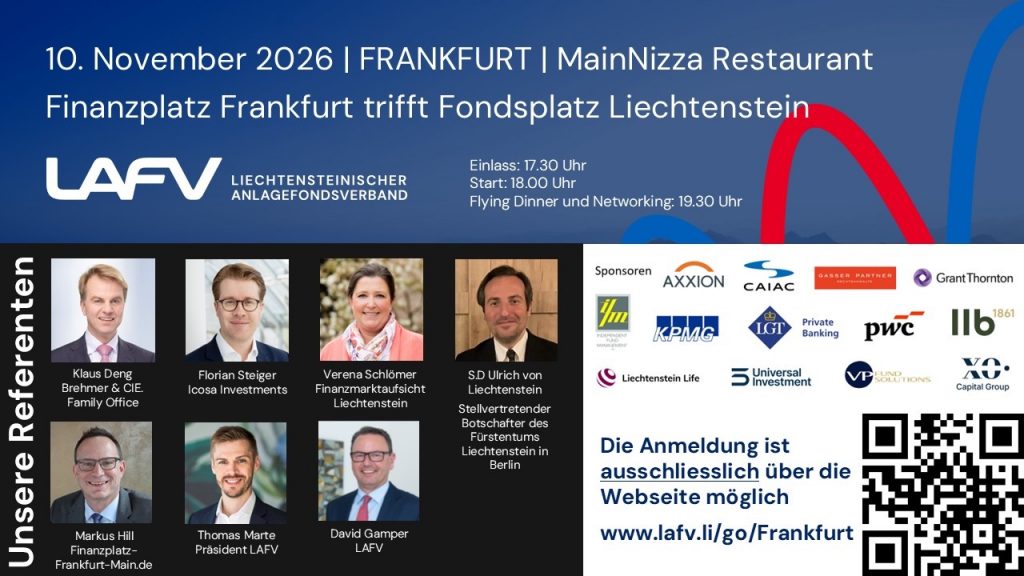
Gamper: We’ll be in Frankfurt on November 10, 2026. Joining us will be the Deputy Ambassador in Berlin, H.E. Ulrich von Liechtenstein; Klaus Deng, Senior Partner at Brehmer & CIE. Family Office; Verena Schlömer from the Liechtenstein Financial Market Authority ( ); Florian Steiger, CEO and founder of Icosa Investments AG; Thomas Marte, President of the LAFV; and myself. Those interested can find more information and register on our website.

Hill: Thank you very much for the interview.

Frankfurt as a Financial Center Meets Liechtenstein as a Fund Center” – Event Announcement & Registration:

Information and Registration

Dialogue & Information:

FINANZPLATZ FRANKFURT AM MAIN on LINKEDIN – CHANNEL

FRANKFURT AM MAIN FINANCIAL CENTER on LINKEDIN – GROUP

FUND BOUTIQUES on LINKEDIN – CHANNEL

FINANZPLATZ-FRANKFURT-MAIN.DE, DACHLI Region & FONDSBOUTIQUEN.DE (2026) – Topics, Interests, Dialogue (Selection & “Snapshots”)

February 25, 2026, Frankfurt – “Frankfurt am Main Financial Center Meets Wealth Management”

(Markus Hill – Moderators: Christian Neuhaus – FINVIA, Sven Karkossa – Capitell Vermögens-Management AG, Noel Zeh – Wunderland Capital)

February 26, 2026, Frankfurt – “Forum for Digital Assets (FDV)”

Editorial Team – Special Feature “Frankfurt am Main Financial Center Meets Wealth Management & Digital Assets”

(Interviews / Guest Contributions, “Support” & MORE: info: markus-hill.com)

March 17, 2026, Frankfurt – Private Markets Excellence Forum – “Private Markets, Family Offices & Foundations – Due Diligence & Outlook 2026”

(Markus Hill – Fireside Chat: J. Paulo Dos Santos – Managing Director, VIRATIO GmbH)

Interview with Christian Hommens – SMART IMPACT INVESTING & PRIVATE MARKETS

Spring 2026Investor Study “Preferences of Institutional Investors in Real Estate & Alternative Investments”

(Markus Hill – Moderator, Podcast: Sebastian Thürmer, “artis & x” – Example 2025)

April 16, 2026 – “köln let’s talk” – Bettina Timmler – Real Estate & Dialogue

(Media Partnership)

May 12, 2026, Frankfurt: “Value Investing & Commodities & MORE”

(Markus Hill – Moderator & brief introduction “Fund Boutiques & the U.S. Formula” – Alex J. Rauschenstein & Urs Marti, SIA FUNDS AG – FINANCIAL CENTER SWITZERLAND)

June 17, 2026, Zurich: Insights – “Family Offices & Fund Boutiques” – The Mountain Talks Summit – FUNDPLAT

(Presentation – Markus Hill)

September 24, 2026, Lucerne: “Swiss Digital Finance Conference 2026” – Markus Hill (PARTNER) speaks with Jan Carlos Janke, lecturer in Digital Business & Innovation at Lucerne University of Applied Sciences and Arts – Computer Science

November 10, 2026, Frankfurt: “Frankfurt am Main Financial Center Meets Liechtenstein Financial Center”

(Markus Hill – Moderator – LAFV Liechtenstein Investment Fund Association: Panel & Presentations)

Input, ideas, and suggestions on the topics mentioned above are welcome:

info@markus-hill.com / +49 (0) 163 4616 179

Photo: Pixabay

Source: IPE D.A.CH

FRANKFURT AS A FINANCIAL CENTER, GERMANY & INDIA: Frankfurt as a Bridge for Business, Innovation, and Community (Interview – Ajit Ranade, INDIA EUROPE BUSINESS DESK)

India, Germany, and Europe are growing increasingly closer economically, technologically, and culturally. Frankfurt am Main plays a special role in this context as an international financial center, transportation hub, and home to a large Indian community. The India-Europe Business Day will take place again this year. On June 13, 2026, there will be an opportunity to exchange ideas in the Main metropolis. In conversation with Markus Hill, Ajit Ranade of INDIA EUROPE BUSINESS DESK explains why he has been committed to fostering ties between India and Germany for years, which industries will be particularly interesting in the future, and why Frankfurt serves as a natural springboard to Germany for many Indian entrepreneurs, professionals, and students.

Hill: Why are you so deeply committed to cooperation between India and Germany?

Ranade: Personally, I am convinced that India and Germany are natural partners and friends. Both countries share many values, complement each other’s strengths, and have learned from one another over many years.

I have been living in Germany and Europe for more than a decade and have been active in various social, cultural, and civic initiatives during this time. I have also organized numerous events and have been involved in Frankfurt’s local politics in the past. Through these experiences, I have repeatedly observed that India and Germany share a strong, positive relationship characterized by mutual respect, trust, and interest in one another.

From an economic perspective, the opportunities are enormous, too. The number of Indian professionals and students in Germany is growing steadily. At the same time, both countries have much to offer each other in trade, investment, innovation, and exchanges between people, companies, and institutions.

It is precisely this conviction that drives my support for platforms such as the India Europe Business Day. Their purpose is to bring together companies, experts, policymakers, and community representatives to foster connections that can develop into long-term collaborations.”

I also have a special personal connection: I come from Pune, a city often referred to as the “German capital of India.” Pune has long maintained close ties with Germany. German language instruction began there more than a century ago, and today numerous German and European companies are represented in the region. During my professional career in Pune, particularly between 2005 and 2012, I was able to observe firsthand how German Global Capability Centers and German investments in India have grown.

These experiences have greatly shaped my appreciation for the Indo-German partnership. They continue to motivate me to this day to do my small part to further strengthen this relationship through economic, cultural, and social engagement.

Hill: In which fields do you see the greatest potential for cooperation between India and Germany in the coming years?

Ranade: Traditional sectors such as the automotive industry, automotive suppliers, pharmaceuticals, life sciences, mechanical engineering, engineering, and industrial equipment have formed the backbone of economic cooperation between India and Germany for many years. In these areas, there is already a strong foundation that has grown over decades. At the same time, I also see considerable potential for growth, deepening, and new forms of cooperation in these sectors.

In my view, the defense sector is a particularly interesting field. India and Germany have begun to cooperate more closely in this area in recent years. We are already seeing important agreements and strategic partnerships between companies and institutions in both countries. This sector could become significantly more important in the future.

Another field with great potential is textiles and leather. India is known worldwide for the quality, scale, and efficiency of its textile industry. Countries like Germany and Italy, in turn, possess highly advanced manufacturing technologies. Technical textiles, in particular, therefore offer great opportunities: here, Indian production expertise and European technological and innovative strength can come together in a very meaningful way.

The leather industry also offers opportunities for knowledge transfer, technological modernization, and improved market access on both sides.

Furthermore, I see tremendous opportunities in startups and innovation-driven companies. German and Indian startups can learn a great deal from one another. Germany stands for engineering excellence, research, precision, and industrial quality. India brings enormous strengths in scaling, digital innovation, and entrepreneurship. When these capabilities are combined, solutions can emerge that are internationally competitive and create benefits for both sides.

Other key future sectors include semiconductors, energy, sustainability, advanced manufacturing, and technological innovation. Overall, the future of Indo-German cooperation lies not only in further strengthening traditional industries but also in systematically expanding new sectors such as defense, technical textiles, sustainable technologies, startups, and innovation-oriented business models.

Ajit Ranade, India Europe Business Desk & Markus Hill, Finanzplatz Frankfurt am Main

Hill: What significance does Frankfurt hold as a bridge between India and Germany?

Ranade: Frankfurt is a very interesting city. Although Frankfurt is only the fifth-largest city in Germany, it plays an extraordinarily important role as the headquarters of the European Central Bank, as the location of many international banks, and as one of Europe’s most significant financial centers.

The city has been home to a large Indian community for decades. Frankfurt is also considered very open and welcoming, especially for expats. Many people feel safe, welcome, and well-integrated here. Unlike some more traditional German cities, Frankfurt has a very international character. People from many nations live and work here, numerous languages are spoken, and this cultural diversity makes the city lively, dynamic, and global.

Another key advantage is its connectivity. Frankfurt Airport is one of Europe’s most important passenger and cargo hubs. For many Indians, Frankfurt is their first point of arrival in Germany. A significant portion of travelers from India come to Germany via Frankfurt. Thanks to excellent flight connections, major Indian cities like Mumbai or Delhi can be reached in about eight to nine hours. This creates a special closeness to India that many people greatly appreciate.

Added to this is its central location within Germany and Europe. Whether traveling north, south, east, or west—many destinations are easily and quickly accessible from Frankfurt. This combination of internationality, economic significance, strong infrastructure, good accessibility, and an open atmosphere makes Frankfurt a special place to live, work, and build connections between India and Germany.

Hill: Thank you very much for the interview. We at FINANZPLATZ FRANKFURT AM MAIN and INVESTING IN INDIA are happy to support your interesting initiative. A special thank you to Andreas Heuberger, who brought your initiative to our attention. We look forward to welcoming you again in Frankfurt for more stimulating discussions.

Information about the India-Europe Business Day 2026 (June 13, 2026):

www.conference.iebd.eu

Dialogue & Information:

FINANZPLATZ FRANKFURT AM MAIN on LINKEDIN – CHANNEL

FINANZPLATZ FRANKFURT AM MAIN on LINKEDIN – GROUP

FUND BOUTIQUES on LINKEDIN – CHANNEL

FINANZPLATZ-FRANKFURT-MAIN.DE, DACHLI Region & FONDSBOUTIQUEN.DE (2026) – Topics, Interests, Dialogue (Selection & “Snapshots”)

February 25, 2026, Frankfurt – “Frankfurt am Main Financial Center Meets Wealth Management”

(Markus Hill – Moderators: Christian Neuhaus – FINVIA, Sven Karkossa – Capitell Vermögens-Management AG, Noel Zeh – Wunderland Capital)

February 26, 2026, Frankfurt – “Forum for Digital Assets (FDV)”

Editorial Team – Special Feature “Frankfurt am Main Financial Center Meets Wealth Management & Digital Assets”

(Interviews / Guest Contributions, “Support” & MORE: info: markus-hill.com)

March 17, 2026, Frankfurt – Private Markets Excellence Forum – “Private Markets, Family Offices & Foundations – Due Diligence & Outlook 2026”

(Markus Hill – Fireside Chat: J. Paulo Dos Santos – Managing Director, VIRATIO GmbH)

Interview with Christian Hommens – SMART IMPACT INVESTING & PRIVATE MARKETS

Spring 2026Investor Study “Preferences of Institutional Investors in Real Estate & Alternative Investments”

(Markus Hill – Moderator, Podcast: Sebastian Thürmer, “artis & x” – Example 2025)

April 16, 2026 – “köln let’s talk” – Bettina Timmler – Real Estate & Dialogue

(Media partnership)

May 12, 2026, Frankfurt: “Value Investing & Commodities & MORE”

(Markus Hill – Moderator & Short Introduction “Fund Boutiques & the U.S. Formula” – Alex J. Rauschenstein & Urs Marti, SIA FUNDS AG – FINANCIAL CENTER SWITZERLAND)

June 17, 2026, Zurich: Insights – “Family Offices & Fund Boutiques” – The Mountain Talks Summit – FUNDPLAT

(Presentation – Markus Hill)

November 10, 2026, Frankfurt: “Frankfurt am Main Financial Center Meets Liechtenstein Financial Center”

(Markus Hill – Moderator – LAFV Liechtenstein Investment Fund Association: Panel & Presentations)

Input, ideas, and suggestions on the above topics are welcome:

info@markus-hill.com / +49 (0) 163 4616 179

Photo: Pixabay

Frankfurt Financial Center & Swiss Financial Center: “While ‘US direct lending’ and ‘European private debt’ fall under the same umbrella term, they are structurally two different markets” (Interview – Mario Almer & Florian Wegmann, DANEO Partners AG)

Private debt has long ceased to be a niche topic in institutional investing. However, especially in the current market environment, investors are taking a closer look: Which segments still offer attractive risk-adjusted returns? Where are late-cycle signals emerging? And how do US direct lending and European corporate credit strategies differ in terms of structure, competition, covenants, and proximity to the borrower? Markus Hill spoke with Mario Almer and Florian Wegmann of DANEO Partners AG for FINANZPLATZ FRANKFURT about the increasing differentiation within the asset class, opportunities in the European and DACH-focused SME sector, and the questions currently of particular concern to institutional investors in Germany and Switzerland. The focus here is not on marketing buzzwords, but on credit quality, selection, collateralization, monitoring, and the question of where private debt can be meaningfully deployed in a portfolio over the long term.

Hill: The topic of “US direct lending versus private debt in Europe” is currently the subject of critical discussion in the trade press. What should be kept in mind here, and what are the key differences in this comparison from your perspective?

Florian Wegmann, DANEO Partners AG

Wegmann: While US direct lending and European private debt fall under the same umbrella term, they are structurally two different markets. Many investors are only now truly recognizing this. The US market is deeper, more mature, and more standardized. But that is precisely its problem today: competition has increased massively, spreads have compressed, covenants have been weakened, and leverage levels have risen. A large portion of the capital is flowing into large, sponsor-driven transactions (i.e., companies held by private equity funds) with aggressive EBITDA adjustments and increasing payment-in-kind structures—mechanisms that can mask economic weakness on the part of the borrower. If default rates are adjusted for these instruments, the so-called “shadow default rate” in the U.S. market now stands at around 5–6%—significantly higher than the officially reported figures and a classic sign of late-cycle credit conditions.
Europe is more fragmented, less efficient—and precisely for that reason, in our view, more attractive today. Banks still dominate a large portion of corporate financing but are increasingly pulling back due to regulation—Basel IV is accelerating this trend. In Switzerland, another structural factor comes into play: with the departure of Credit Suisse, a major lender in the middle market segment has disappeared. Companies and intermediaries in the market are feeling this directly, creating room for specialized private credit providers, particularly in the lower mid-market segment. European transactions typically feature more conservative leverage levels, stronger covenants, and more attractive risk-adjusted spreads—and for euro-denominated investors, the currency hedging issue that often neutralizes a supposed U.S. yield advantage is eliminated. This is precisely where we find opportunities that we can negotiate directly with owners and entrepreneurs and structure on a tailor-made basis—usually senior-secured, with strong covenants and attractive pricing, away from the crowd in the U.S.-dominated direct lending market.
Almer: What I would add in discussions with institutional investors: Even in “ ” Europe, one must differentiate. In our view, large (private equity) sponsor-driven deals in the upper mid-market are increasingly showing the same trends as in the U.S. Selection and a focus on the right segment are crucial. At Daneo Partners, we have been active exclusively in the European, DACH-focused SME sector since 2018—in the financing segment between €10 million and €75 million, where large Anglo-Saxon platforms cannot scale efficiently and local banks are too small or too heavily regulated.

Hill: What role should private debt generally play in institutional investors’ asset allocation?

Mario Almer, DANEO Partners AG

Almer: In Europe, too, private debt has evolved from a niche strategy into an established asset class. In Germany in particular, private debt is now viewed by many institutional investors as a core component of a well-diversified portfolio. Senior secured direct loans combine low volatility with returns that can compete with equity-like returns. For pension funds and retirement plans, what public credit structurally cannot provide is also crucial: a direct contractual relationship with the borrower, active monitoring, and the ability to intervene early and exert influence when a situation changes. This offers a meaningful complement to existing public credit allocations. Allocation should be strategic—with a clear focus on the quality of the manager and the structures. We are also observing growing interest among European institutional investors in European managers, with the aim of shifting exposure from the U.S. market to local markets. This reinforces our conviction that we are well-positioned with our strategy.

Hill: As a Swiss fund boutique, you engage with institutional investors across the DACH region. What topics are currently at the forefront?
Almer: Discussions with institutional investors are currently heavily focused on risks rather than returns. Three topics clearly dominate. The critical coverage surrounding private debt in the U.S. is currently the dominant theme: Investors either have substantial U.S. exposure themselves or are reading the press, noticing the warning signs, and specifically asking how we differentiate ourselves from these developments—keywords: covenant-lite, high leverage, payment-in-kind.
Second, the macroeconomic and geopolitical environment: How resilient is the portfolio in the event of a further economic downturn? What happens in the event of a workout? How quickly can we react, and what protection do the structures offer?
Third, the issue of valuation and leverage: Many investors are concerned about exposure to heavily overvalued, highly leveraged companies—often in large sponsor-led deals (e.g., U.S. sponsored SaaS firms). The question of whether and how one invests in such deals, and how one views the issue, is being assessed with increasing scrutiny.Wegmann: For German investors in particular, there is another issue: In recent years, many have invested in Germany under the “private credit” label—specifically in real estate-backed financing such as mezzanine and whole loans—and have had painful experiences. This has partially eroded confidence in the asset class and raises legitimate questions regarding scope and structural quality. We are happy to explain our corporate credit strategy: medium-sized companies in the DACH region, senior-secured, without excessive leverage, and with direct access to management.

Hill: You are currently deepening your dialogue with investors in Germany. Are there differences in how private debt is viewed between the German and Swiss financial centers?
Almer: Yes, absolutely. In Germany, the strategic allocation of institutional investors to private credit is already significantly more advanced than in Switzerland. German pension funds and retirement plans integrated the asset class into their portfolios earlier and more broadly. According to the latest Investor Survey by the German Association for Alternative Investments (BAI), the average strategic allocation to private debt is already at 3.3%. In Switzerland, penetration is still lower—but the topic has clearly gained momentum in recent years. In terms of substance, the issues are largely the same: both markets prioritize security, transparency, and track record. It is also notable that pension funds—in both Germany and Switzerland—are showing increasing interest in directly supporting mid-sized companies in their domestic markets. In Switzerland, for example, the investment guidelines for pension funds were expanded as of January 1, 2022. Since then, these funds have been permitted to classify “unlisted Swiss investments” as a separate strategic asset class. Lending to debtors (private debt) and investments in the form of equity stakes (private equity) are both permitted.

Hill: Where do you currently see the greatest opportunities and challenges in the private debt market?

Markus Hill, FINANZPLATZ FRANKFURT AM MAIN


Wegmann: We currently see particularly attractive opportunities in the European lower mid-market segment, a sector that is structurally underserved by debt capital. While banks are increasingly pulling back, large international platforms and managers often cannot scale efficiently in this segment. At the same time, a large portion of capital has flowed into large-volume, sponsor-driven transactions in recent years. This has led to intense competition, rising leverage levels, and an erosion of credit standards (and margins)—particularly in the U.S. market. Based on our observations, Europe is currently clearly favored by institutional investors: Fundraising for European private credit funds reached a record high in 2025, and the European mid-market is considered a “lender’s market” with better structures and stronger covenants. However, we are also observing increasing deployment pressure here: Large funds with significant “dry powder” are pushing into smaller segments, which is intensifying competition even in the “core” mid-market and making selectivity in underwriting all the more important. Against this backdrop, we see a clear opportunity in less competitive transactions with solid structures, attractive pricing, and greater influence on loan structuring.
Almer: We see the greatest challenge as the growing uncertainty—both geopolitically and within the asset class itself. Should tensions in the U.S.-dominated segment continue to escalate, distortions could arise that generally undermine investor confidence in private debt and make raising capital more difficult. However, we see ourselves as well-positioned—even in a more challenging environment: as a locally rooted DACH manager with proprietary deal flow, a focus on the lower-mid-market, and consistently well-secured structures.

Hill: Thank you very much for the interview.

Dialogue & Information:

FINANZPLATZ FRANKFURT AM MAIN on LINKEDIN – CHANNEL

FINANZPLATZ FRANKFURT AM MAIN on LINKEDIN – GROUP

FUND BOUTIQUES on LINKEDIN – CHANNEL

FINANZPLATZ-FRANKFURT-MAIN.DE, DACHLI Region & FONDSBOUTIQUEN.DE (2026) – Topics, Interests, Dialogue (Selection & “Snapshots”)

February 25, 2026, Frankfurt – “Frankfurt am Main Financial Center Meets Wealth Management”

(Markus Hill – Moderators: Christian Neuhaus – FINVIA, Sven Karkossa – Capitell Vermögens-Management AG, Noel Zeh – Wunderland Capital)

February 26, 2026, Frankfurt – “Forum for Digital Assets (FDV)”

Editorial Team – Special Feature “Frankfurt am Main Financial Center Meets Wealth Management & Digital Assets”

(Interviews / Guest Contributions, “Support” & MORE: info: markus-hill.com)

March 17, 2026, Frankfurt – Private Markets Excellence Forum – “Private Markets, Family Offices & Foundations – Due Diligence & Outlook 2026”

(Markus Hill – Fireside Chat: J. Paulo Dos Santos – Managing Director, VIRATIO GmbH)

Interview with Christian Hommens SMART IMPACT INVESTING & PRIVATE MARKETS

Spring 2026: Investor Study “Preferences of Institutional Investors in Real Estate & Alternative Investments”

(Markus Hill – Moderator, Podcast: Sebastian Thürmer, “artis & x” – Example 2025)

April 16, 2026 – “köln let’s talk” – Bettina Timmler – Real Estate & Dialogue

(Media partnership)

May 12, 2026, Frankfurt: “Value Investing & Commodities & MORE”

(Markus Hill – Moderator & Short Introduction “Fund Boutiques & the U.S. Formula” – Alex J. Rauschenstein & Urs Marti, SIA FUNDS AG – FINANCIAL CENTER SWITZERLAND)

June 17, 2026, Zurich: Insights – “Family Offices & Fund Boutiques” – The Mountain Talks Summit – FUNDPLAT

(Presentation – Markus Hill)

November 10, 2026, Frankfurt: “Frankfurt am Main Financial Center Meets Liechtenstein Financial Center”

(Markus Hill – Moderator – LAFV Liechtenstein Investment Fund Association: Panel & Presentations)

Input, ideas, and suggestions on the above topics are welcome:

info@markus-hill.com / +49 (0) 163 4616 179

Photo: Pixabay

SOURCE: IPE D.A.CH

FRANKFURT FINANCIAL CENTER & SWISS FINANCIAL CENTER: Digital Assets, Artificial Intelligence, Wealth Management, PKN – Private Key Network & Exchange of Ideas in Zurich (INTERVIEW – Markus Schwingshackl, Centro LAW)

“Our goal is to build a lasting network in the field of digital assets based on trust, expertise, and collaboration across national and professional boundaries.”

The intersections between traditional wealth management, digital assets, and international wealth structuring continue to gain significance. Entrepreneurs, family offices, and high-net-worth individuals, whose assets derive wholly or partly from the digital assets sector, are facing questions that go far beyond mere portfolio allocation: regulation, custody, asset protection, liquidity, succession, and the selection of a reliable financial center are coming more into focus. In an interview with FINANZPLATZ FRANKFURT, Markus Schwingshackl, an attorney and founder of Centro LAW in Zurich, explains why the Swiss financial center plays a special role in this context. It’s about combining innovative strength with legal certainty, addressing the needs of new generations of wealth, and the Private Key Network (PKN), which aims to bring together experts in private wealth, digital assets, and artificial intelligence on an international level. A dialogue on financial centers, trust, specialized knowledge, and new forms of collaboration in wealth management.

Hill: What does the Swiss financial center stand for in the field of digital assets?
Schwingshackl: In the field of digital assets, the Swiss financial center stands for specialized wealth management within an institutionally reliable framework. Over the years, a comprehensive range of services has developed, as it was recognized early on that digital assets are not merely a portfolio allocation for a growing number of entrepreneurs and investors, but often form the foundation of their wealth.
Trading, custody, lending, and staking are offered worldwide in a wide variety of forms, but the reliability of the regulatory framework varies just as much. This is precisely where Switzerland comes in, by combining innovation with legal certainty.
In addition to security, the performance and innovative strength of the infrastructure, transaction processing, and the generation of liquidity and returns also play a role in determining where wealth management strategies are implemented. Switzerland can draw on its leading expertise in international wealth management. This is complemented by a long-term perspective, particularly through the inclusion of wealth transfer to the next generation, which is becoming increasingly important as digital assets become a permanent component of wealth.
This creates a blend of traditional and modern wealth management that takes into account the specific volatility and liquidity aspects. Additionally, the Swiss financial center is characterized by the close and seamless collaboration among various service providers—a decisive factor in solving complex, client-specific problems even in niche areas.

Markus Hill & Markus Schwingshackl, Centro LAW

Hill: What are the specific challenges for asset owners regarding digital assets?
Schwingshackl: The central issue remains regulation. Despite the progress made in recent years, entrepreneurs in this sector continue to face significant risks. For asset owners, the location of custody and the ownership structure employed are key elements that must also be considered from a regulatory perspective to ensure the security of digital assets. Accordingly, asset protection is regularly high on the wealth planning agenda for both groups.
Furthermore, some of the challenges are similar to those faced by traditional asset owners. The current macroeconomic situation appears to be driving a search for stability to manage risks. International mobility has also gained in importance, and people are consciously preparing for potential developments such as trade conflicts, geopolitical tensions, rising inflation, or a recession. In the current environment, correlations between asset classes are also being reassessed and strategic orientations reviewed.
Ultimately, it can be summarized as follows: Whether traditional or digital—entrepreneurs and wealth holders want to preserve and protect their wealth. The speed of change requires agility and new approaches to wealth management from all stakeholders.

Hill: Speaking of new approaches to wealth management, you’ve founded a network in the digital assets sector. What’s that all about?
Schwingshackl: The Private Key Network is an association of experts in the field of private wealth with a focus on digital assets and artificial intelligence. Over the years, the paths of international specialists in this niche have crossed time and again. Together with my co-founders, we actively promote exchange and collaboration to develop new approaches in wealth management.
Already, several hundred million people worldwide own digital assets, either directly or indirectly. A growing proportion of these individuals are considered high-net-worth. It is precisely this group that needs reliable, cross-border wealth management solutions, such as those our members are developing.
Our goal is to build a sustainable network in the field of digital assets based on trust, expertise, and collaboration across national and disciplinary boundaries. We recently held our first meeting in London and are planning the next event in June in Zurich. We deliberately keep the group of participants small, as relevance, not size, is our priority. In this way, perspectives from different disciplines come together to address specific issues.
Following our successful launch in Europe, we aim to expand to other regions in the medium term, particularly the U.S. Anyone with in-depth expertise, a collaborative attitude, and a passion for innovation is welcome to contact us.

Hill: I look forward to seeing you soon at your second PKN event on June 1 in Zurich and to the presentation by Adam Hayes from the Lucerne University of Applied Sciences and Arts (HSLU). Thank you very much for the interview.

Dialogue & Information:

FINANZPLATZ FRANKFURT AM MAIN on LINKEDIN – CHANNEL

FINANZPLATZ FRANKFURT AM MAIN on LINKEDIN – GROUP

FUND BOUTIQUES on LINKEDIN – CHANNEL

FINANZPLATZ-FRANKFURT-MAIN.DE, DACHLI Region & FONDSBOUTIQUEN.DE (2026) – Topics, Interests, Dialogue (Selection & “Snapshots”)

February 25, 2026, Frankfurt – “Frankfurt am Main Financial Center Meets Wealth Management”

(Markus Hill – Moderators: Christian Neuhaus – FINVIA, Sven Karkossa – Capitell Vermögens-Management AG, Noel Zeh – Wunderland Capital)

February 26, 2026, Frankfurt – “Forum for Digital Assets (FDV)”

Editorial Team – Special Feature “Frankfurt am Main Financial Center Meets Wealth Management & Digital Assets”

(Interviews / Guest Contributions, “Support” & MORE: info: markus-hill.com)

March 17, 2026, Frankfurt – Private Markets Excellence Forum – “Private Markets, Family Offices & Foundations – Due Diligence & Outlook 2026”

(Markus Hill – Fireside Chat: J. Paulo Dos Santos – Managing Director, VIRATIO GmbH)

Interview with Christian Hommens SMART IMPACT INVESTING & PRIVATE MARKETS

Spring 2026: Investor Study “Preferences of Institutional Investors in Real Estate & Alternative Investments”

(Markus Hill – Moderator, Podcast: Sebastian Thürmer, “artis & x” – Example 2025)

April 16, 2026 – “köln let’s talk” – Bettina Timmler – Real Estate & Dialogue

(Media partnership)

May 12, 2026, Frankfurt: “Value Investing & Commodities & MORE”

(Markus Hill – Moderator & Short Introduction “Fund Boutiques & the U.S. Formula” – Alex J. Rauschenstein & Urs Marti, SIA FUNDS AG – FINANCIAL CENTER SWITZERLAND)

June 17, 2026, Zurich: Insights – “Family Offices & Fund Boutiques” – The Mountain Talks Summit – FUNDPLAT

(Presentation – Markus Hill)

November 10, 2026, Frankfurt: “Frankfurt am Main Financial Center Meets Liechtenstein Financial Center”

(Markus Hill – Moderator – LAFV Liechtenstein Investment Fund Association: Panel & Presentations)

Input, ideas, and suggestions on the above topics are welcome:

info@markus-hill.com / +49 (0) 163 4616 179

Photo: Pixabay

SOURCE: IPE D.A.CH


FRANKFURT FINANCIAL CENTER & IDEAS: “Frankfurt am Main Financial Center meets Wealth Management” & “Forum for Digital Assets” – Event (SNAPSHOT – Markus Hill)

Input, ideas & suggestions: What other topics could be addressed in the two panel discussions?

Frankfurt is an interesting ecosystem for family offices, asset managers, start-ups, and fund boutiques in the liquid and illiquid sectors (alternative investments). FINANZPLATZ-FRANKFURT-MAIN is once again supporting the “Forum for Digital Assets” (FDV – Manuel Müller & Samir Zakaria) this year in communications and as expert support for two panel formats.

“Financial Center Frankfurt am Main meets Wealth Management” (February 25, 2026)

This year, there will once again be an event on the eve of the “Forum for Digital Assets.” Last year, we addressed the topic of “Family Offices, Asset Allocation & Financial Education.” We want to take this opportunity to once again express our sincere thanks to the panelists at that time for the interesting exchange of ideas in Frankfurt: Dr. Henning Schöer (FIDUBONUM), Peter Preller (HQ Trust), and Reiner Konrad (Focam AG).

On February 25, we want to focus more closely on the topics of “Family Offices, Asset Management, Next Gen, Startups & Venture Capital – Ecosystem Hesse & Europe.” Why is this topic so interesting, and why does it also build interesting bridges to other areas? Many family offices and asset managers (corporate/independent – “boutiques”) deal intensively with the topic of NexGen (next generation, succession, digital affluents & MORE) when serving wealthy clients. This young generation generally speaks a completely different language than the traditional clientele in wealth management: “Established, senior, aged, and not necessarily digitally savvy” (quote from a family officer from Frankfurt who did not want to be named here). When it comes to managing larger assets, the focus is increasingly shifting to clients in the “TRADITIONAL” succession sector or from the “SELF-MADE” segment.

What topics could be addressed this evening? Some things have already been mentioned above. Of course, Christian Neuhaus (Finvia) and Sven Karkossa (Capitell AG) will report from the perspective of wealth management. It is interesting to note that a generational change is now also taking place in the area of family offices (SFO & MFO). These institutions are also repositioning themselves, just as there are now many independent asset managers competing for young talent. Next Gen, Startups, Venture Capital & Ecosystems – Noel Zeh (Wunderland Capital), as a VC fund of funds manager with “startup seeding” at a Hessian Volksbank, will provide additional impetus to the discussion: How do you sell a startup? What expectations do young entrepreneurs with an affinity for technology have of the financial industry? What needs to be considered in the due diligence of venture capital funds? Why should Germany become aware of its own strengths in the field of technology & investments? Who should talk to whom in which ecosystem? What connects Germany with Europe in the context of technology seeding, as opposed to the US? etc.

Manuel Müller (FDV) & Markus Hill (Finanzplatz Frankfurt)

The discussion aims to stimulate thought, as the most interesting ideas often arise in advance: Where does asset management stand? Which investments will be interesting in the coming years? What does the next generation bring to Frankfurt, Hesse, and Europe? Who should actually talk to whom, not only in the Frankfurt financial center? Input, ideas, and suggestions are always welcome: info@markus-hill.com / +49 (0) 1634616 179

Information about the event “Forum for Digital Assets” (FDV)

PS: From our long-standing collaboration with a Swiss asset manager in the field of “value investing & commodities,” we know that the topic of PROCYCLICAL & ANTICYCLICAL INVESTING always leads to exciting discussions – we look forward to an exciting panel here on February 26, 2026. This topic will also be discussed in greater depth. Perhaps in the special topic “FINANZPLATZ FRANKFURT meets WEALTH MANAGEMENT & DIGITAL ASSETS.” Of course, input, ideas, and suggestions are always welcome here as well. It could be that there are technical connections between the two panel topics.

PPS: The topic of family offices often builds bridges to other areas. We are also looking forward to the fireside chat on March 17 on the topic of “Private Markets, Family Offices, Foundations – Due Diligence & Challenges for 2026” at the event hosted by Christian Hommens (Smart Bridges GmbH). The discussion with J. Paulo M.dos Santos (VIRATIO) will also focus on the use of alternative investments by foundations, as well as the importance of asset manager selection and investment guidelines (case study). At the PRIVATEMARKETS_ONE event on February 2, 2026, Lukas Bennmann, a colleague of Noel Zeh (Wunderland Capital), moderated a panel discussion with FERI, KfW, the Joachim Hert Foundation, and a savings bank as panelists. Here, too, the impression was that the venture capital sector requires a great deal of know-how, patience, and moderation of expectations on the part of investors.

Information about the event “PRIVATE MARKETS EXCELLENCE FORUM”

Dialogue & information:

FINANZPLATZ FRANKFURT AM MAIN on LINKEDIN – CHANNEL

FINANZPLATZ FRANKFURT AM MAIN on LINKEDIN – GROUP

FONDSBOUTIQUEN on LINKEDIN – CHANNEL

FINANZPLATZ-FRANKFURT-MAIN.DE, DACHLI Region & FONDSBOUTIQUEN.DE (2026) – Topics, interests, dialogue (selection & “snapshots”)

February 25, 2026, Frankfurt – “Financial Center Frankfurt am Main meets Wealth Management”

(Markus Hill – Moderator: Christian Neuhaus – FINVIA, Sven Karkossa – Capitell Vermögens-Management AG, Noel Zeh – Wunderland Capital)

February 26, 2026, Frankfurt – “Forum for Digital Assets (FDV)”

Editorial team – Special topic “Frankfurt am Main as a financial center meets wealth management & digital assets”

(Interviews / guest contributions, “support” & MORE: info: markus-hill.com)

March 17, 2026, Frankfurt – Private Markets Excellence Forum – “Private Markets, Family Offices & Foundations – Due Diligence & Outlook 2026”

(Markus Hill – Fireside Chat: J. Paulo Dos Santos – Managing Director, VIRATIO GmbH)

Interview with Christian Hommens – SMART IMPACT INVESTING & PRIVATE MARKETS

Spring 2026Investor study “Preferences of institutional investors in real estate & alternative investments”

(Markus Hill – Moderator, Podcast: Sebastian Thürmer, “artis & x” – Example 2025)

April 16, 2026 – “köln let’s talk” – Bettina Timmler – Real Estate & Dialogue

(Media partnership)

May 12, 2026, Frankfurt: “Value Investing & Commodities & MORE”

(Markus Hill – Moderator & brief introduction to “Fund boutiques & the US formula” – Alex J. Rauschenstein & Urs Marti, SIA FUNDS AG – FINANZPLATZ SCHWEIZ)

June 17, 2026, Zurich: Insights – “Family Offices & Fund Boutiques” – The Mountain Talks Summit – FUNDPLAT

(Presentation – Markus Hill)

November 10, 2026, Frankfurt: “Financial Center Frankfurt am Main meets Financial Center Liechtenstein”

(Markus Hill – Moderator – LAFV Liechtenstein Investment Fund Association: Panel & Presentations)

Input, ideas, and suggestions on the above topics are welcome:

info@markus-hill.com / +49 (0) 163 4616 179

PHOTO: Marcus Kieser

FINANZPLATZ FRANKFURT & DIALOG: Impact Investing & Private Markets – Family Offices & Institutional Investors, Infrastructure, Private Equity, Private Debt, Digital Assets, Frankfurt Ecosystem & MORE – Event (INTERVIEW – Christian Hommens, Smart Bridges GmbH)

Impact investing is more than just a label. In private markets in particular, impact is increasingly becoming a strategic category – for family offices as well as institutional investors. Markus Hill speaks with Christians Hommens on behalf of FINANZPLATZ-FRANKFURT-MAIN.DE about the critical success factors in this investment segment and the importance of professional dialogue among experts. Impact measurement, impact infrastructure, private equity, sustainability & investing, private debt – these and other topics form the basis for the exchange of ideas in March at a specialist conference (SMART IMPACT INVESTING & PRIVATE MARKETS). The importance of the Frankfurt ecosystem for investment, decision-making, and regulation in these areas will be highlighted.

Hill: Impact investing is often considered a „nice to have.“ Where do you see real structural change today, especially in the private markets?

Hommens: Impact investing is clearly evolving from a secondary issue to a core strategic question. In the private markets, family offices and institutional investors are increasingly recognizing that long-term returns, resilience, and impact go hand in hand. Infrastructure, private equity, and private credit make it possible to deploy capital in a targeted manner – with measurable impact and simultaneous value creation potential. Impact thus becomes a quality feature, not a compromise.

Christian Hommens, Smart Bridges GmbH & Markus Hill Finanzplatz Frankfurt

Hill: Where do investors fail in practice – and why is it worthwhile to exchange ideas at Smart Bridges?

Hommens: It’s hard to say, but we see three points coming up again and again: lack of impact measurability, unclear governance structures, and limited access to compelling deal flow. This is exactly where our forum comes in. We bring investors, practitioners, and solution providers together—not theoretically, but in a practical, interactive way and on an equal footing.

Hill: What specific topics will be the focus of the two days?

Hommens: From impact measurement and social impact to impact infrastructure. And, of course, private equity and sustainable portfolio design will be examined in more detail – supplemented by topics such as private credit, infrastructure, regulatory requirements, and new structuring models. Always with an eye on the question: How can impact be meaningfully integrated into portfolios without losing sight of performance?

Hill: Why is Frankfurt/Hesse the right place—and why now?

Hommens: Frankfurt and Hesse combine capital, decision-making authority, and regulatory proximity. In an environment of increasing uncertainty, investors are looking for guidance and long-term solutions. The connection between impact investing and private markets is highly relevant in this context – and our region is the ideal place for this dialogue.

Hill: Thank you very much for the interview. I look forward to the fireside chat on February 17, 2026 („Family Offices & Foundations,“ Impact Investing) and to the discussions on site.

Information about the event: SMART IMPACT INVESTING EXCELLENCE FORUM

Information about the event: „PRIVATE MARKETS EXCELLENCE FORUM“

Dialog & Information:

FINANZPLATZ FRANKFURT AM MAIN auf LINKEDIN – KANAL

FINANZPLATZ FRANKFURT AM MAIN auf LINKEDIN – GRUPPE

FONDSBOUTIQUEN auf LINKEDIN – KANAL

FINANZPLATZ-FRANKFURT-MAIN.DE, DACHLI Region & FONDSBOUTIQUEN.DE (2026) – Topics, interests, dialogue (selection & “snapshots”)

February 25, 2026, Frankfurt – “Frankfurt am Main Financial Center meets Wealth Management”

(Markus Hill – Moderator: Christian Neuhaus – FINVIA, Sven Karkossa – Capitell Vermögens-Management AG, Noel Zeh – Wunderland Capital)

February 26, 2026, Frankfurt – “Forum for Digital Assets (FDV)”

Editorial team – Special topic “Frankfurt am Main as a financial center meets wealth management & digital assets”

(Interviews / guest contributions, ‘support’ & MORE: info: markus-hill.com)

March 17, 2026, Frankfurt Private Markets Excellence Forum – “Private markets, family offices & foundations – due diligence & outlook for 2026”

(Markus Hill – Fireside Chat: J. Paulo Dos Santos – Managing Director, VIRATIO GmbH)

Interview with Christian Hommens – SMART IMPACT INVESTING & PRIVATE MARKETS

Spring 2026: Investor study “Preferences of institutional investors in real estate & alternative investments”

(Markus Hill – Moderator, Podcast: Sebastian Thürmer, “artis & x” – Example 2025)

April 16, 2026 – “köln let’s talk” – Bettina Timmler – Real Estate & Dialogue

(Media partnership)

May 12, 2026, Frankfurt: “Value Investing & Commodities & MORE”

(Markus Hill – Moderator & Short intro “Fund Boutiques & US Formula” – Alex J. Rauschenstein & Urs Marti, SIA FUNDS AG – FINANZPLATZ SCHWEIZ)

June 17, 2026, Zurich: Insights – “Family Offices & Fund Boutiques” – The Mountain Talks Summit – FUNDPLAT

(Presentation – Markus Hill)

November 10, 2026, Frankfurt: “Frankfurt am Main Financial Center meets Liechtenstein Financial Center”

(Markus Hill – Moderator – LAFV Liechtenstein Investment Fund Association: Panel & Presentations)

Input, ideas, and suggestions on the above topics are welcome:

info@markus-hill.com / +49 (0) 163 4616 179

Foto: Pixabay

FRANKFURT FINANCIAL CENTER & LIECHTENSTEIN FINANCIAL CENTER: „I am convinced that Liechtenstein will not only continue its growth trajectory over the next five to ten years, but will even accelerate it in the coming years“ (INTERVIEW – David Gamper, LAFV Liechtenstein Investment Fund Association)

Liechtenstein & Frankfurt as financial centers, fund boutiques, family offices, fund domicile, and dialogue in Germany – Markus Hill spoke to David Gamper, Managing Director of the LAFV Liechtenstein Investment Fund Association, on behalf of FINANZPLATZ FRANKFURT about topics such as Liechtenstein’s positioning and cooperation in European competition, trends in alternative investments, and regulation. In addition, given the current importance of fund regulations for family offices and asset managers, he provides a brief overview of the association’s other dialogue offerings in the German financial center in spring 2026 and in London.

Hill: What role does Liechtenstein currently play as a fund location in the European market – is it more of a niche or an up-and-coming fund center?

Gamper: I would describe Liechtenstein as an emerging niche. In Europe, there are two major fund centers, Luxembourg and Ireland, which focus primarily on large, mostly globally active asset managers. White-label funds play a subordinate role there, at least in terms of regulation and supervision. This is exactly where Liechtenstein comes in. The location focuses on optimal conditions for asset managers and fund boutiques that want to launch white-label funds, as well as on asset structuring for wealthy families, often with their own family offices. This is also reflected in the statistics: over 85% of funds domiciled in Liechtenstein are white-label funds, and the trend is rising.

David Gamper, LAFV Liechtensteinischer Anlagefondsverband

Hill: Are you currently launching many funds for family offices in Liechtenstein?

Gamper: Yes, developments in this area have been very positive in the recent past. We are seeing increasing uncertainty among wealthy individuals, triggered by geopolitical tensions, high government debt in Europe, and discussions about possible tax increases. Liechtenstein, on the other hand, has no national debt, has the lowest public spending ratio in Europe – i.e., the ratio of government expenditure to gross domestic product – and therefore no need to raise taxes. In addition, investment funds are completely tax-exempt. Political continuity and the AAA rating further strengthen confidence and make the location particularly attractive for long-term asset structures.

Hill: How is the fund location developing in the area of alternative investments?

Gamper: The alternative investments sector (investments outside stocks and bonds, such as hedge funds or infrastructure) is growing very strongly. Seven out of ten newly established funds are currently alternative investment funds (AIFs, which may include private equity, real estate, and other non-traditional assets). On the one hand, this is because funds for asset structuring (organizing investments and holdings for legal or tax purposes) are almost exclusively set up in this form. On the other hand, AIFs in Liechtenstein benefit from particularly flexible regulation. Liechtenstein has made use of the leeway deliberately provided by the EU and refrained from so-called „gold plating“ (implementing stricter rules than required by the EU), which is often seen in other fund domiciles. Another decisive factor is the Liechtenstein Financial Market Authority (the local financial regulator). Particularly in the case of complex AIF structures, it is very valuable for fund initiators to be able to enter into dialogue with the supervisory authority at an early stage. This cooperative practice is highly appreciated and has already led to the establishment of several funds.

Hill: What risks could slow down Liechtenstein as a fund location in the medium term?

Gamper: Like all fund locations, we are also dependent on geopolitical developments and their impact on the financial markets. We have only limited influence on this, but we must be prepared accordingly. Another risk lies in increasing regulation at the European level (more rules for financial firms working in the EU). Extensive reporting requirements and constant regulatory changes place a significantly greater burden on smaller fund companies, such as those typically found in Liechtenstein, than on large international providers. We clearly support sensible regulation that strengthens investor protection and transparency (making investments safer and more open). In recent years, however, the goal has been overshot in some cases. We therefore hope that the announced „Simplification Package“ (a legislative effort to reduce unnecessary rules) will bring noticeable relief again. We must also remain particularly vigilant in the areas of money laundering prevention and sanctions implementation (measures to stop illegal financial activity and enforce international restrictions). Despite very good results in recent audits (inspections by authorities), we are continuously working on further improvements, because a strong reputation is essential for a small financial center.

Hill: Do you see the shortage of skilled workers as a limiting factor?

Markus Hill, FINANZPLATZ FRANKFURT AM MAIN

Gamper: We are also affected by the general shortage of labor and skilled workers, but this cannot be considered a limiting factor. There are qualified personnel in other financial sectors in the country who are becoming increasingly aware of the fund industry, not least because of its strong growth. In addition, there is growing interest from highly qualified professionals from the nearby financial center of Zurich and from Germany. Overall, we currently see a balanced mix of demand and available talent.

Hill: Where will Liechtenstein be as a fund location in five to ten years?

Gamper: In my view, specializing in white-label funds was the right strategic move. Optimal, and in some cases even unique, conditions have been created for this target group. The growing interest from foreign fund companies also shows that we are on the right track. Following Luxembourg-based Axxion, Dirk Grosshans from Universal Investment also announced at the „Frankfurt Financial Center Meets Liechtenstein Financial Center“ event in Frankfurt on November 18, 2025, that he would be launching funds in Liechtenstein from the first quarter of 2026. Other providers will follow. I am therefore convinced that Liechtenstein will not only continue its growth course over the next five to ten years, but will even accelerate it in the coming years. There will be a lot more positive news to report.

Hill: What events are coming up soon?

Gamper: We will be attending various events in Germany. On January 28 and 29, 2026, we will once again be inviting visitors to engage in dialogue at the FONDS professionell KONGRESS in Mannheim. Interested parties can find out more about Liechtenstein as a fund location at our stand and talk to structuring experts about specific fund projects. In a presentation, a fund founder will report on his highly successful fund project and his positive experiences in Liechtenstein. On April 21 and 28, 2026, we will once again be presenting ourselves at the LAFV events in Munich and Hamburg. Fund founders will report on the unique location advantages of Liechtenstein, and the tax component of Liechtenstein funds will be highlighted. Verena Schlömer from the Liechtenstein Financial Market Authority will provide insights into the licensing and supervisory practices for funds. The next event in London will take place on June 25, 2026. The detailed program is yet to be announced, but the focus will be on the locational advantages and current developments of Liechtenstein as a fund center.

Hill: Thank you very much for talking to us.

Dialogue & Information:

FINANZPLATZ FRANKFURT AM MAIN auf LINKEDIN – KANAL

FINANZPLATZ FRANKFURT AM MAIN auf LINKEDIN – GRUPPE

FONDSBOUTIQUEN auf LINKEDIN – KANAL

Foto: PIXABAY

Quelle: www.institutional-investment.de

FRANKFURT FINANCIAL CENTER: Attitude, background, and the art of genuine encounter (INTERVIEW – Rubén Zárate, Franziskustreff Foundation)

Rubén Zárate in conversation: Attitude, background, and the art of genuine encounters

Hill: Rubén, you have touched many people with your posts on LinkedIn. But let’s start at the beginning: Where does your story actually begin?

 Zárate: I am 58 years old – although I hardly notice it. I feel much younger, perhaps because I am still curious and keep moving.
I was born in Lima, Peru, but I spent my childhood in the highlands, in a small Andean village called Pachacayo, at an altitude of 3,800 meters. Life there was simple but intense: clear air, vast silence, alpacas, sheep, poverty – and strong bonds.

Rubén Zárate y Markus Hill

In 1975, my father took part in a two-year management course, which is why we moved as a family to Germany and Switzerland. During this time, we lived in various cities: Saarbrücken, Düsseldorf, Zurich, Solothurn, and Derendingen. I was eight years old. After that, we returned to Lima, where I attended the German School. At the age of 23, I came to Germany alone to study and stayed behind.

Since then – or rather, my whole life – I have moved between worlds: geographically, linguistically, culturally. These spaces between worlds continue to shape me to this day.

As a Peruvian citizen, my life in Germany was marked by uncertainty for a long time. It was very difficult to obtain a work permit, clarify documents, and claim rights. It was a life of fear and powerlessness—because others were making decisions about your life. In 2007, I finally took German citizenship. To do so, I had to give up my Peruvian passport. It was a painful but conscious step.

Hill: What were your first years in Germany like?

Zárate: Challenging. I was curious, but also uncertain. The language was foreign to me, the codes unspoken. I had to observe a lot, listen, and find my place. But I also learned early on how valuable it is to be able to move in different worlds. This ability to adapt without compromising myself has helped me throughout my life.

Hill: As a young man, you studied business administration in Germany and held many different positions. What guided you in this?

Zárate: An inner urge to get ahead. Not in the sense of a career at any price, but in the sense of understanding, helping to shape things—but also surviving. I worked at the headquarters of a German bank, then briefly in New York. After that, I worked in sales at FAZ, in call centers, in consulting firms such as Willis Towers Watson – and at some point also in the fashion industry with my own brand and designs. My collections were even sold at KaDeWe in Berlin, Alsterhaus in Hamburg, Galeries Lafayette, and at Loden-Frey and Ludwig Beck in Munich – and even in duty-free shops at major airports. I never believed in the one perfect career path. I believed in development.

Hill: Were there also phases when you had doubts?

Zárate: You bet—lots of them, in fact. Especially during transitional phases. When you don’t know what’s coming next, you often feel small. But I’ve learned that it’s precisely in these moments that the most important thing grows: confidence in yourself. And a different kind of success—one that can’t be measured in titles, but in attitude. The wonderful thing was that I kept meeting people who believed in me. That allowed me to pick myself up again and again.

Hill: Fashion is a completely different field. What attracted you to it?

Zárate: Style, identity, expression. Clothing is more than fabric—it’s attitude. And especially as someone who lives between worlds, I find clothing exciting. In addition to my job in the social sector, I am currently working on a new men’s collection made of alpaca that combines my roots and my current life. I tell my story in it. It’s not just about fashion, but about the narrativity of origin and elegance.

Catherine’s Church

Hill: How did you come up with the idea of using alpaca?

Zárate: Alpaca is an animal from my childhood in the highlands of Peru. My father was the managing director of a large company with around 2,000 employees that produced and exported alpaca and sheep wool as well as meat. For me, alpaca wool represents warmth, naturalness, and luxury at the same time. I wanted to create something that wasn’t loud but had character— , like many people I admire. This collection is not a mass-produced product, but an expression of an attitude: less, better—and with soul.

Hill: Today, you work full-time at the Franziskustreff Foundation. How did that come about?

Zárate: Brother Paulus, the chairman of the Franziskustreff Foundation, approached me in the middle of the coronavirus crisis. I wanted to do something meaningful. Today, as a philanthropic advisor, I support people who want to help institutionally or privately—and those who need help. I see myself as a bridge builder between two realities: those who can give and those who need to receive. Together with a great team, we organize breakfast for around 180 guests every morning and offer social counseling, and have been doing so for over 32 years. None of this would be possible without the help and trust of our donors.

It is quiet but profound work. I talk to donors, companies, guests – and often to myself. It’s about more than material help. It’s about dignity, equality, and trust.

Hill: What do you take away from these encounters?

Zárate: Gratitude. And humility. I have learned that not everyone who lives on the street is broken. And not everyone in a suit or business attire has clarity. I try to incorporate these stories into my everyday life – including on LinkedIn. I don’t share success stories there, but quiet stories of heroism. The world needs more of that.

Café Hauptwache

Hill: And when you’re not working?

Zárate: Then I live a secluded life—in the middle of the forest, in an old farmhouse in the Taunus mountains. Without luxury, but with soul. I enjoy cooking and baking, meeting good friends. I love country life, the rhythm of nature, the wood, the animals. This place gives me peace and grounding. It’s where I recharge my batteries. It’s where I listen—to myself and to the world.

Hill: You also organize private dinners. What’s that all about?

Zárate: They are small evenings with special people. Bankers, artists, people from social projects, lawyers, creative types. I invite them to a table in an honest atmosphere. There is good food, honest conversation, no titles. Everyone pays for themselves.

When I invite my guests, they know that I am able to bring together people with heart and substance. For me, this is the art of connection in action. And often, change begins when people simply sit across from each other – without an agenda.

Hill: You have a certain calmness about you. Where does that come from?

Zárate: Maybe from the highlands. Or from many conversations with people who have lost everything and still smile. Or from the knowledge that I don’t have to be the center of attention—but rather what develops between us. I believe in silence as a quality.

And perhaps also because I had a brain tumor at the age of 35 and underwent surgery. When you experience this firsthand—how quickly everything can change, how suddenly you become dependent and helpless—it changes your outlook on life. Since then, I have been living more consciously, more intensely, more thoughtfully. And above all: more gratefully. Perhaps that is also why my closeness to God has grown – not through constant church attendance, but through silent prayers. Especially during my walks in the forest. There I feel connected – without many words, but with an open heart.

But you mustn’t forget: I am Latino. And I definitely inherited my temperament from my mother. As my friends and colleagues can confirm, I am not always quiet. I can be very loving, but also direct and spirited. That’s part of who I am. And I don’t want to deny that. And yes – I’m not always quiet, but I’m always genuine.

Hill: What does Frankfurt mean to you?

Zárate: A lot. I’m also a Frankfurt native. It’s my city. I’ve often had to reinvent myself here. I’ve experienced advancement, built bridges, but also experienced loneliness. Frankfurt is tough, but honest. And there are people who really listen. I try to pass that on – whether in conversations, over breakfast at Franziskustreff, or in the evening over a glass of wine with friends.

Hill: You are a member of the expert advisory board of the Software AG Foundation’s „Fonds auf Augenhöhe“ (Fund on Equal Terms). What does this role mean to you?

Zárate: It is an expression of trust. We support projects that treat refugees as equals. For me, this is not just voluntary work, but an attitude. I myself came to a new country as a child. I know how quiet you can become when you don’t know if you belong. It’s about creating spaces where people are not only included in the thinking, but also in the feeling. I am convinced that origin is a commitment. And that’s how I live my life.

Hill: You often talk about attitude. What does that mean to you specifically?

Zárate: Attitude is when you remain upright even when no one is watching. It is the sum of experience, values, and courage. It means not going along with everything that is “ “ – but doing what is right. I believe that this plays an important role, especially in the financial center of Frankfurt. Perhaps more than ever.

And attitude is also evident in small things: when people say they’ll get back to you – and don’t. When offers are made, and nothing comes of them in the end. Especially in a city like Frankfurt, where many people trade on their expertise and present themselves brilliantly, I see this time and time again. For me, this is telling: those who are not reliable in small things will also find it difficult in big things. I’m not saying this reproachfully – but as an invitation to not only think about attitude, but to live it. Everyone talks about values today. But they must also be lived in everyday life – otherwise they remain empty words.

Hill: What do you wish for the future?

Zárate: More space. Less noise, more listening. And for people to learn to be with each other again – without an agenda. I want spaces for resonance, not just for reaction.

Hill: And for the Frankfurt financial center?

Zárate: Less mask, more attitude. And a table where there is room not only for numbers, but also for stories. I wish that humanity and sensitivity were not considered softness – but competence.

Hill: Rubén, thank you very much for the interesting and open conversation.

Zárate: Thank you, Markus, who says you can’t talk about attitude, dignity, fashion, and maybe even alpacas in the Frankfurt financial center? It was a real pleasure.

LINK / INFORMATION ABOUT THE FRANKZISKUSTRFF FOUNDATION

franziskustreff

Dialog & Information:

FINANZPLATZ FRANKFURT AM MAIN auf LINKEDIN – KANAL

FINANZPLATZ FRANKFURT AM MAIN auf LINKEDIN – GRUPPE

FONDSBOUTIQUEN auf LINKEDIN – KANAL

Foto: PIXABAY & Markus Hill/Rubén Zárate