FRANKFURT AS A FINANCIAL CENTER, GERMANY & INDIA: Frankfurt as a Bridge for Business, Innovation, and Community (Interview – Ajit Ranade, INDIA EUROPE BUSINESS DESK)

India, Germany, and Europe are growing increasingly closer economically, technologically, and culturally. Frankfurt am Main plays a special role in this context as an international financial center, transportation hub, and home to a large Indian community. The India-Europe Business Day will take place again this year. On June 13, 2026, there will be an opportunity to exchange ideas in the Main metropolis. In conversation with Markus Hill, Ajit Ranade of INDIA EUROPE BUSINESS DESK explains why he has been committed to fostering ties between India and Germany for years, which industries will be particularly interesting in the future, and why Frankfurt serves as a natural springboard to Germany for many Indian entrepreneurs, professionals, and students.

Hill: Why are you so deeply committed to cooperation between India and Germany?

Ranade: Personally, I am convinced that India and Germany are natural partners and friends. Both countries share many values, complement each other’s strengths, and have learned from one another over many years.

I have been living in Germany and Europe for more than a decade and have been active in various social, cultural, and civic initiatives during this time. I have also organized numerous events and have been involved in Frankfurt’s local politics in the past. Through these experiences, I have repeatedly observed that India and Germany share a strong, positive relationship characterized by mutual respect, trust, and interest in one another.

From an economic perspective, the opportunities are enormous, too. The number of Indian professionals and students in Germany is growing steadily. At the same time, both countries have much to offer each other in trade, investment, innovation, and exchanges between people, companies, and institutions.

It is precisely this conviction that drives my support for platforms such as the India Europe Business Day. Their purpose is to bring together companies, experts, policymakers, and community representatives to foster connections that can develop into long-term collaborations.”

I also have a special personal connection: I come from Pune, a city often referred to as the “German capital of India.” Pune has long maintained close ties with Germany. German language instruction began there more than a century ago, and today numerous German and European companies are represented in the region. During my professional career in Pune, particularly between 2005 and 2012, I was able to observe firsthand how German Global Capability Centers and German investments in India have grown.

These experiences have greatly shaped my appreciation for the Indo-German partnership. They continue to motivate me to this day to do my small part to further strengthen this relationship through economic, cultural, and social engagement.

Hill: In which fields do you see the greatest potential for cooperation between India and Germany in the coming years?

Ranade: Traditional sectors such as the automotive industry, automotive suppliers, pharmaceuticals, life sciences, mechanical engineering, engineering, and industrial equipment have formed the backbone of economic cooperation between India and Germany for many years. In these areas, there is already a strong foundation that has grown over decades. At the same time, I also see considerable potential for growth, deepening, and new forms of cooperation in these sectors.

In my view, the defense sector is a particularly interesting field. India and Germany have begun to cooperate more closely in this area in recent years. We are already seeing important agreements and strategic partnerships between companies and institutions in both countries. This sector could become significantly more important in the future.

Another field with great potential is textiles and leather. India is known worldwide for the quality, scale, and efficiency of its textile industry. Countries like Germany and Italy, in turn, possess highly advanced manufacturing technologies. Technical textiles, in particular, therefore offer great opportunities: here, Indian production expertise and European technological and innovative strength can come together in a very meaningful way.

The leather industry also offers opportunities for knowledge transfer, technological modernization, and improved market access on both sides.

Furthermore, I see tremendous opportunities in startups and innovation-driven companies. German and Indian startups can learn a great deal from one another. Germany stands for engineering excellence, research, precision, and industrial quality. India brings enormous strengths in scaling, digital innovation, and entrepreneurship. When these capabilities are combined, solutions can emerge that are internationally competitive and create benefits for both sides.

Other key future sectors include semiconductors, energy, sustainability, advanced manufacturing, and technological innovation. Overall, the future of Indo-German cooperation lies not only in further strengthening traditional industries but also in systematically expanding new sectors such as defense, technical textiles, sustainable technologies, startups, and innovation-oriented business models.

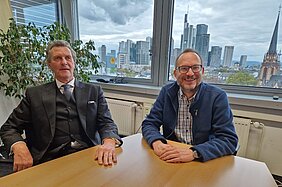
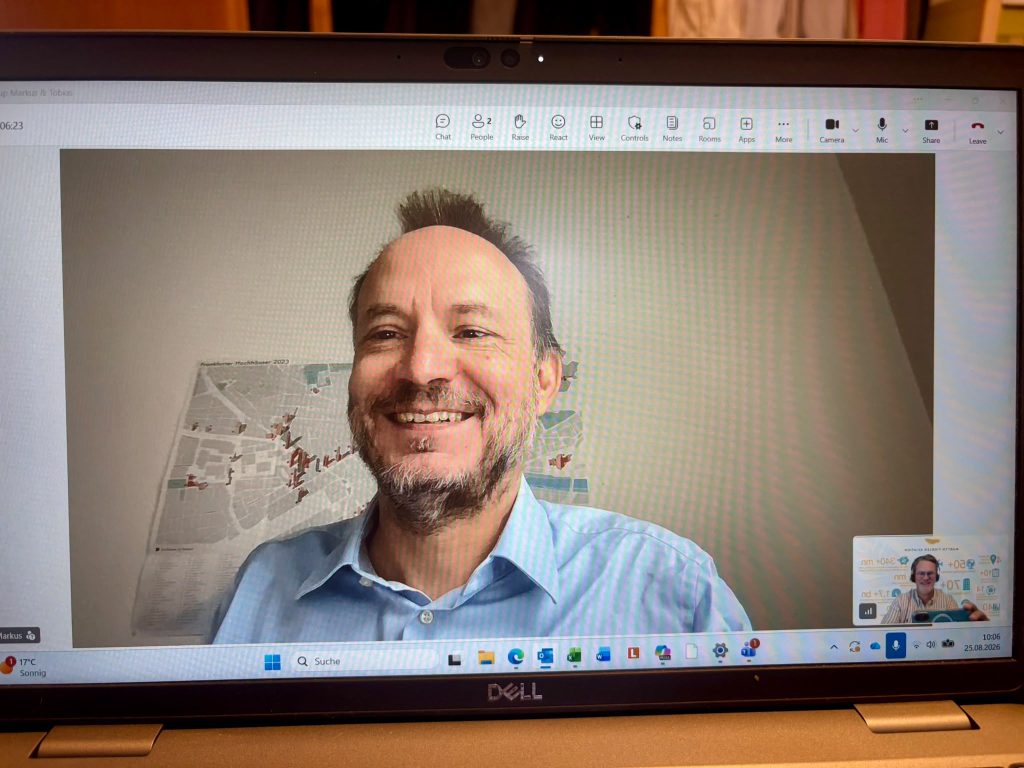
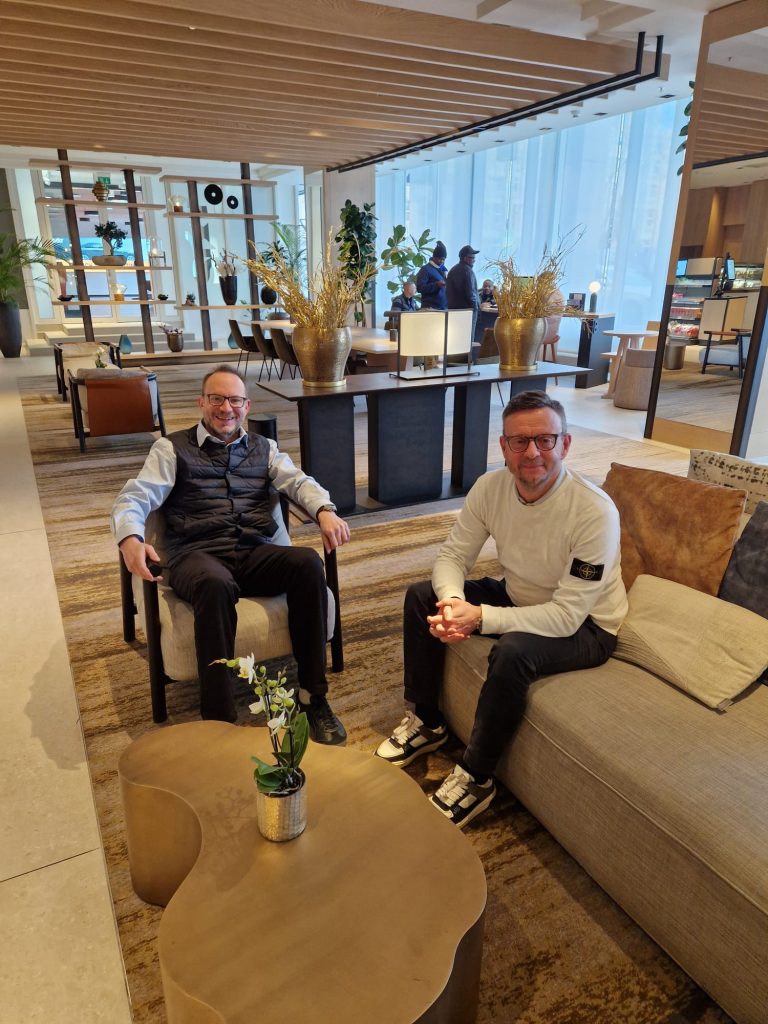
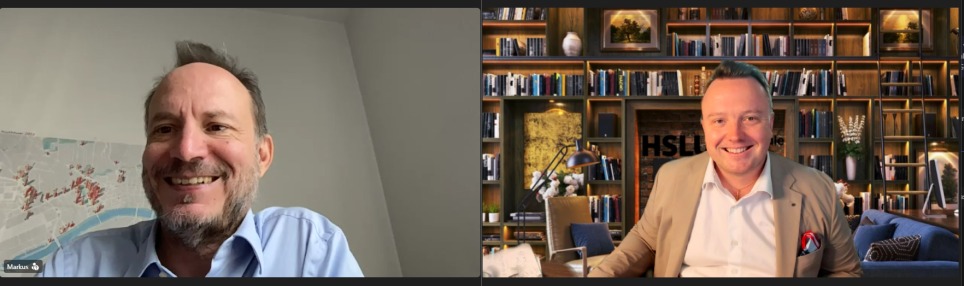
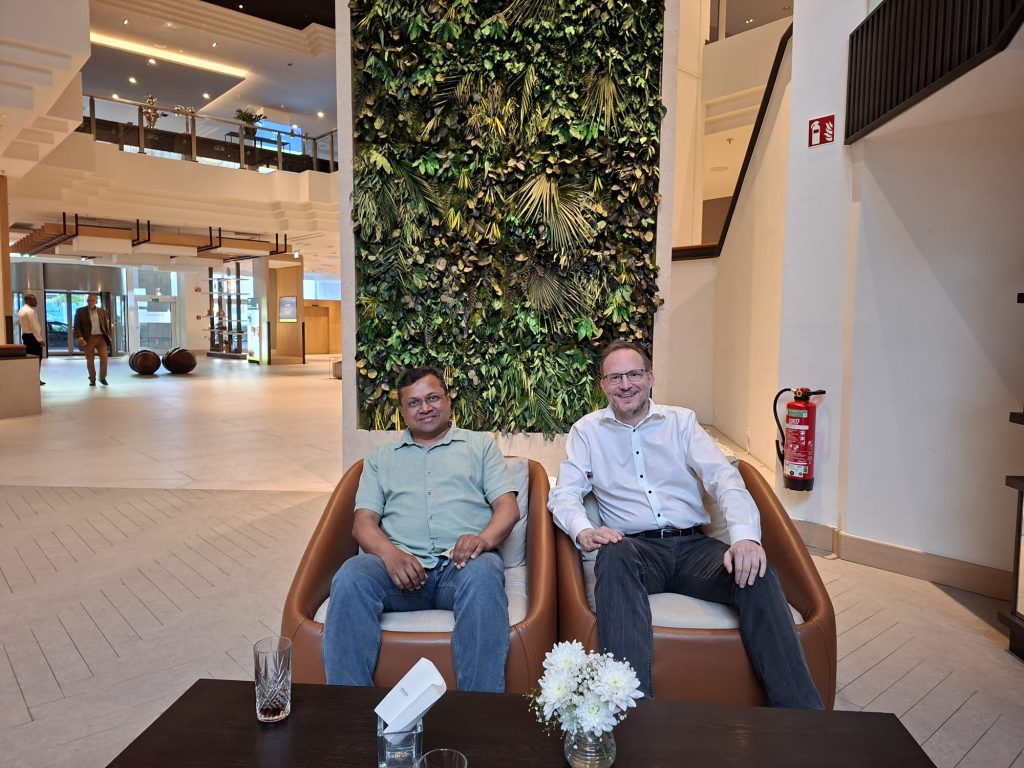
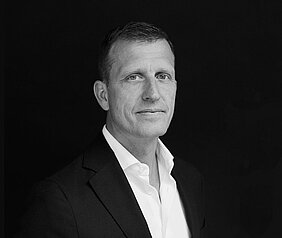
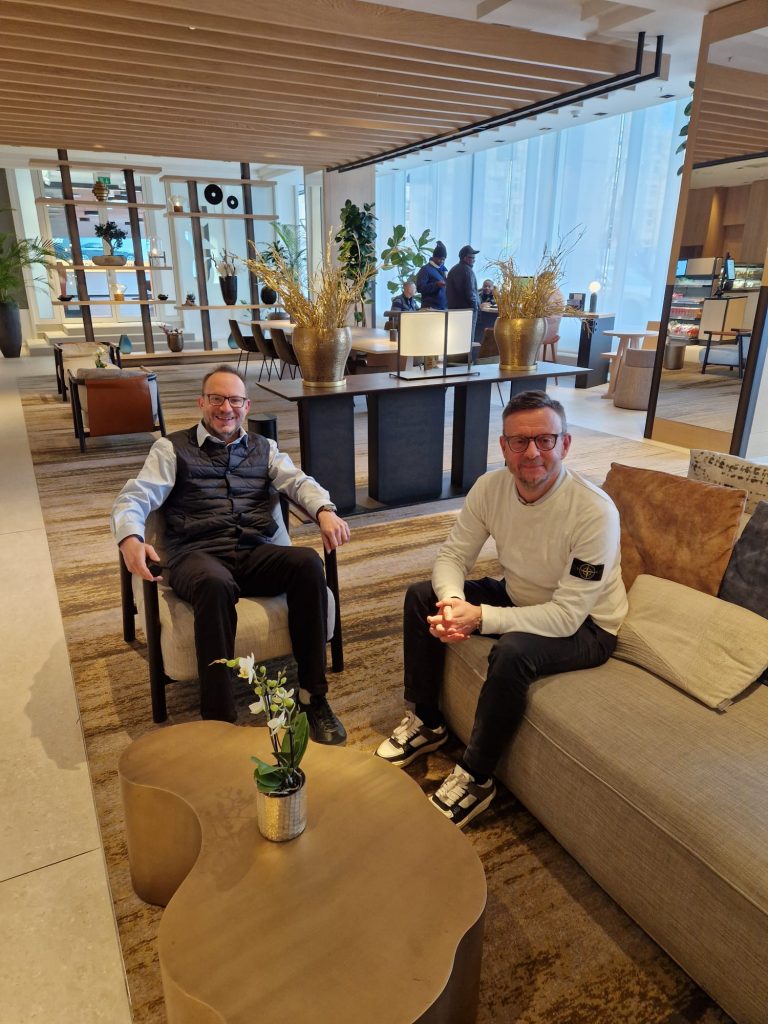
Ajit Ranade, India Europe Business Desk & Markus Hill, Finanzplatz Frankfurt am Main

Hill: What significance does Frankfurt hold as a bridge between India and Germany?

Ranade: Frankfurt is a very interesting city. Although Frankfurt is only the fifth-largest city in Germany, it plays an extraordinarily important role as the headquarters of the European Central Bank, as the location of many international banks, and as one of Europe’s most significant financial centers.

The city has been home to a large Indian community for decades. Frankfurt is also considered very open and welcoming, especially for expats. Many people feel safe, welcome, and well-integrated here. Unlike some more traditional German cities, Frankfurt has a very international character. People from many nations live and work here, numerous languages are spoken, and this cultural diversity makes the city lively, dynamic, and global.

Another key advantage is its connectivity. Frankfurt Airport is one of Europe’s most important passenger and cargo hubs. For many Indians, Frankfurt is their first point of arrival in Germany. A significant portion of travelers from India come to Germany via Frankfurt. Thanks to excellent flight connections, major Indian cities like Mumbai or Delhi can be reached in about eight to nine hours. This creates a special closeness to India that many people greatly appreciate.

Added to this is its central location within Germany and Europe. Whether traveling north, south, east, or west—many destinations are easily and quickly accessible from Frankfurt. This combination of internationality, economic significance, strong infrastructure, good accessibility, and an open atmosphere makes Frankfurt a special place to live, work, and build connections between India and Germany.

Hill: Thank you very much for the interview. We at FINANZPLATZ FRANKFURT AM MAIN and INVESTING IN INDIA are happy to support your interesting initiative. A special thank you to Andreas Heuberger, who brought your initiative to our attention. We look forward to welcoming you again in Frankfurt for more stimulating discussions.

Information about the India-Europe Business Day 2026 (June 13, 2026):

www.conference.iebd.eu

Dialogue & Information:

FINANZPLATZ FRANKFURT AM MAIN on LINKEDIN – CHANNEL

FINANZPLATZ FRANKFURT AM MAIN on LINKEDIN – GROUP

FUND BOUTIQUES on LINKEDIN – CHANNEL

FINANZPLATZ-FRANKFURT-MAIN.DE, DACHLI Region & FONDSBOUTIQUEN.DE (2026) – Topics, Interests, Dialogue (Selection & “Snapshots”)

February 25, 2026, Frankfurt – “Frankfurt am Main Financial Center Meets Wealth Management”

(Markus Hill – Moderators: Christian Neuhaus – FINVIA, Sven Karkossa – Capitell Vermögens-Management AG, Noel Zeh – Wunderland Capital)

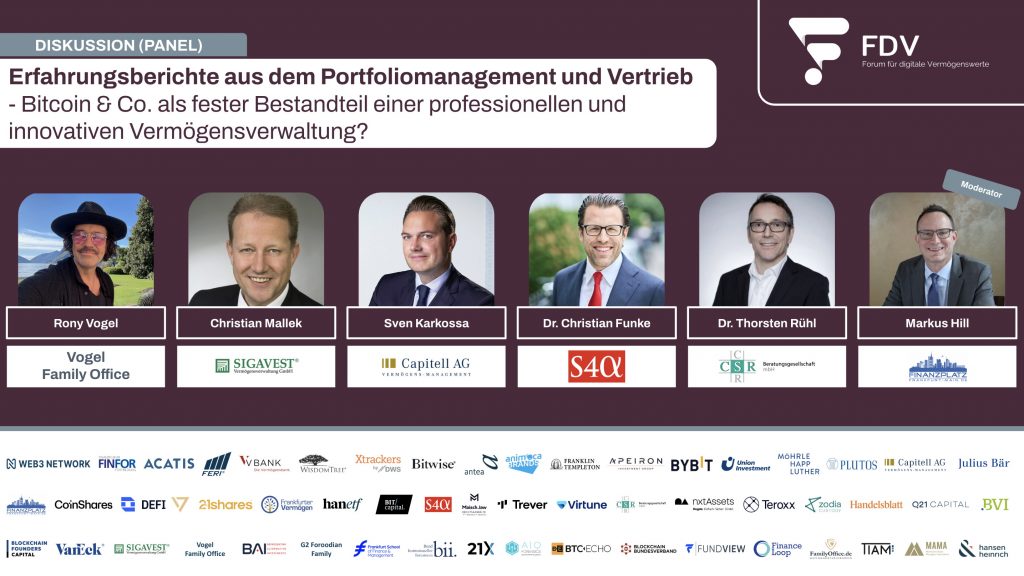
February 26, 2026, Frankfurt – “Forum for Digital Assets (FDV)”

Editorial Team – Special Feature “Frankfurt am Main Financial Center Meets Wealth Management & Digital Assets”

(Interviews / Guest Contributions, “Support” & MORE: info: markus-hill.com)

March 17, 2026, Frankfurt – Private Markets Excellence Forum – “Private Markets, Family Offices & Foundations – Due Diligence & Outlook 2026”

(Markus Hill – Fireside Chat: J. Paulo Dos Santos – Managing Director, VIRATIO GmbH)

Interview with Christian Hommens – SMART IMPACT INVESTING & PRIVATE MARKETS

Spring 2026Investor Study “Preferences of Institutional Investors in Real Estate & Alternative Investments”

(Markus Hill – Moderator, Podcast: Sebastian Thürmer, “artis & x” – Example 2025)

April 16, 2026 – “köln let’s talk” – Bettina Timmler – Real Estate & Dialogue

(Media partnership)

May 12, 2026, Frankfurt: “Value Investing & Commodities & MORE”

(Markus Hill – Moderator & Short Introduction “Fund Boutiques & the U.S. Formula” – Alex J. Rauschenstein & Urs Marti, SIA FUNDS AG – FINANCIAL CENTER SWITZERLAND)

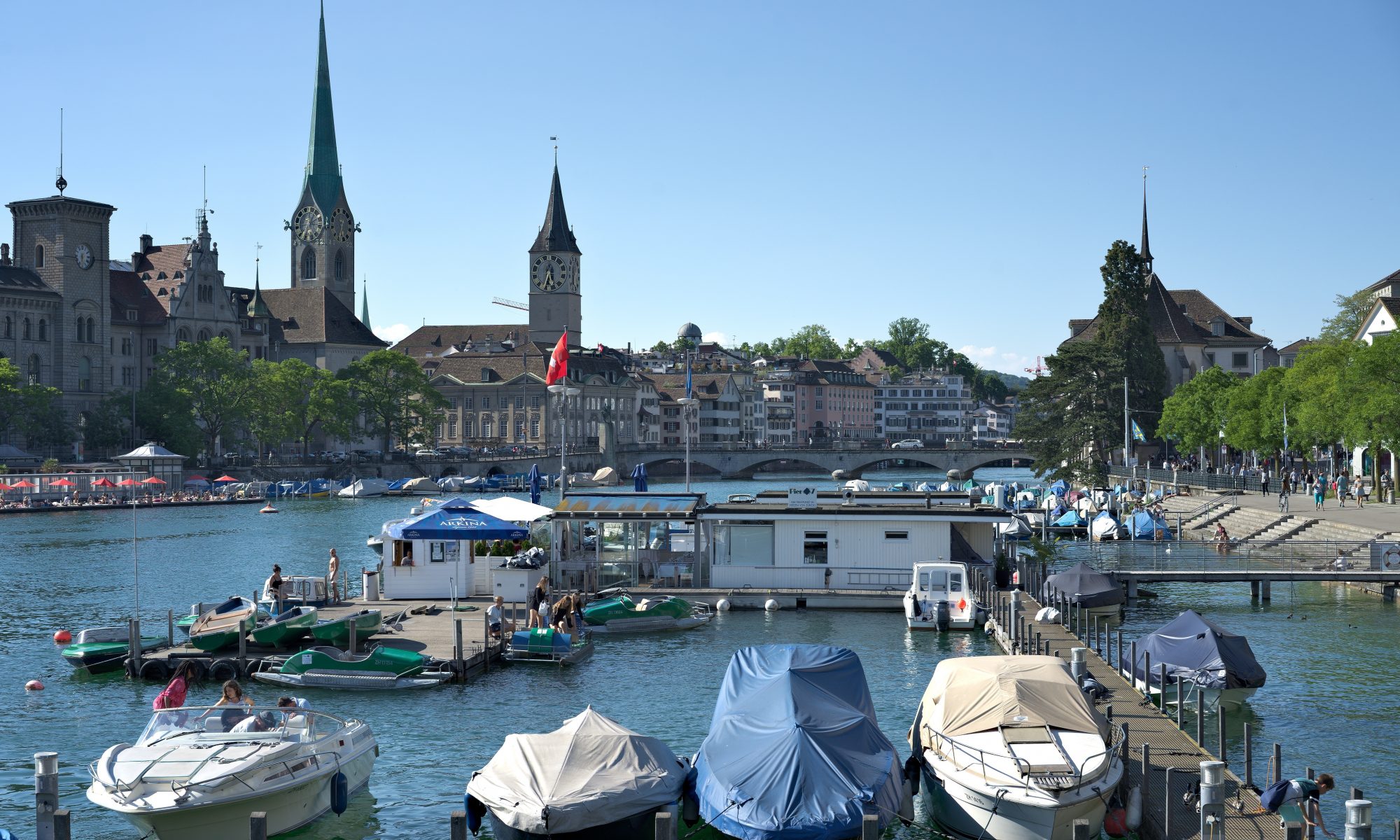
June 17, 2026, Zurich: Insights – “Family Offices & Fund Boutiques” – The Mountain Talks Summit – FUNDPLAT

(Presentation – Markus Hill)

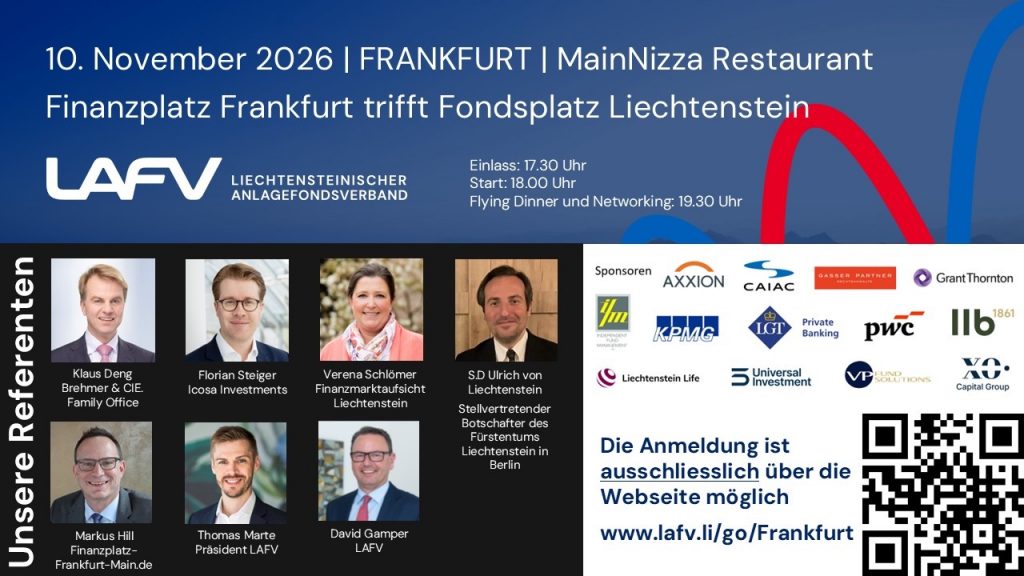
November 10, 2026, Frankfurt: “Frankfurt am Main Financial Center Meets Liechtenstein Financial Center”

(Markus Hill – Moderator – LAFV Liechtenstein Investment Fund Association: Panel & Presentations)

Input, ideas, and suggestions on the above topics are welcome:

info@markus-hill.com / +49 (0) 163 4616 179

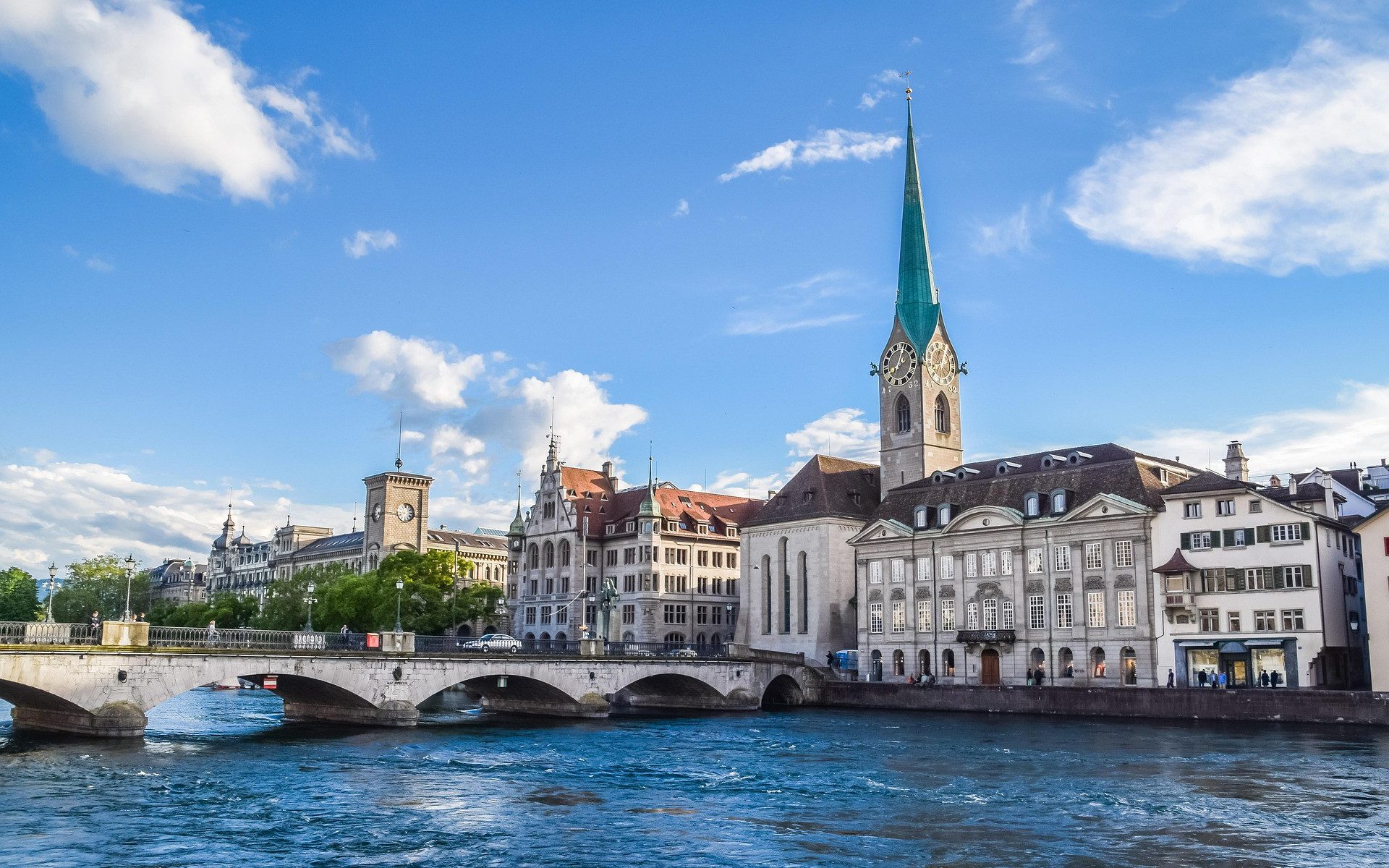
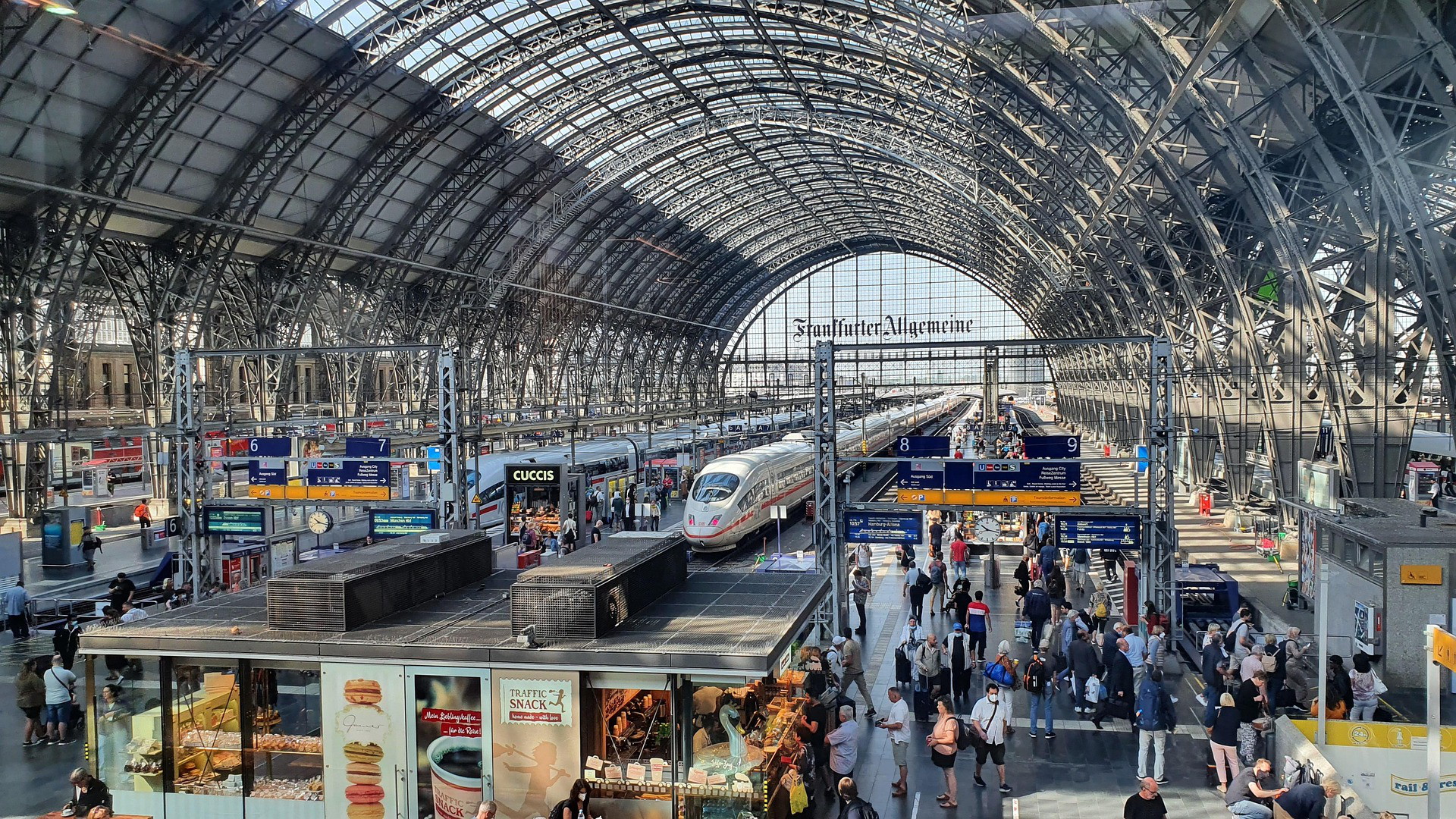
Photo: Pixabay

Frankfurt Financial Center & Swiss Financial Center: “While ‘US direct lending’ and ‘European private debt’ fall under the same umbrella term, they are structurally two different markets” (Interview – Mario Almer & Florian Wegmann, DANEO Partners AG)

Private debt has long ceased to be a niche topic in institutional investing. However, especially in the current market environment, investors are taking a closer look: Which segments still offer attractive risk-adjusted returns? Where are late-cycle signals emerging? And how do US direct lending and European corporate credit strategies differ in terms of structure, competition, covenants, and proximity to the borrower? Markus Hill spoke with Mario Almer and Florian Wegmann of DANEO Partners AG for FINANZPLATZ FRANKFURT about the increasing differentiation within the asset class, opportunities in the European and DACH-focused SME sector, and the questions currently of particular concern to institutional investors in Germany and Switzerland. The focus here is not on marketing buzzwords, but on credit quality, selection, collateralization, monitoring, and the question of where private debt can be meaningfully deployed in a portfolio over the long term.

Hill: The topic of “US direct lending versus private debt in Europe” is currently the subject of critical discussion in the trade press. What should be kept in mind here, and what are the key differences in this comparison from your perspective?

Florian Wegmann, DANEO Partners AG

Wegmann: While US direct lending and European private debt fall under the same umbrella term, they are structurally two different markets. Many investors are only now truly recognizing this. The US market is deeper, more mature, and more standardized. But that is precisely its problem today: competition has increased massively, spreads have compressed, covenants have been weakened, and leverage levels have risen. A large portion of the capital is flowing into large, sponsor-driven transactions (i.e., companies held by private equity funds) with aggressive EBITDA adjustments and increasing payment-in-kind structures—mechanisms that can mask economic weakness on the part of the borrower. If default rates are adjusted for these instruments, the so-called “shadow default rate” in the U.S. market now stands at around 5–6%—significantly higher than the officially reported figures and a classic sign of late-cycle credit conditions.
Europe is more fragmented, less efficient—and precisely for that reason, in our view, more attractive today. Banks still dominate a large portion of corporate financing but are increasingly pulling back due to regulation—Basel IV is accelerating this trend. In Switzerland, another structural factor comes into play: with the departure of Credit Suisse, a major lender in the middle market segment has disappeared. Companies and intermediaries in the market are feeling this directly, creating room for specialized private credit providers, particularly in the lower mid-market segment. European transactions typically feature more conservative leverage levels, stronger covenants, and more attractive risk-adjusted spreads—and for euro-denominated investors, the currency hedging issue that often neutralizes a supposed U.S. yield advantage is eliminated. This is precisely where we find opportunities that we can negotiate directly with owners and entrepreneurs and structure on a tailor-made basis—usually senior-secured, with strong covenants and attractive pricing, away from the crowd in the U.S.-dominated direct lending market.
Almer: What I would add in discussions with institutional investors: Even in “ ” Europe, one must differentiate. In our view, large (private equity) sponsor-driven deals in the upper mid-market are increasingly showing the same trends as in the U.S. Selection and a focus on the right segment are crucial. At Daneo Partners, we have been active exclusively in the European, DACH-focused SME sector since 2018—in the financing segment between €10 million and €75 million, where large Anglo-Saxon platforms cannot scale efficiently and local banks are too small or too heavily regulated.

Hill: What role should private debt generally play in institutional investors’ asset allocation?

Mario Almer, DANEO Partners AG

Almer: In Europe, too, private debt has evolved from a niche strategy into an established asset class. In Germany in particular, private debt is now viewed by many institutional investors as a core component of a well-diversified portfolio. Senior secured direct loans combine low volatility with returns that can compete with equity-like returns. For pension funds and retirement plans, what public credit structurally cannot provide is also crucial: a direct contractual relationship with the borrower, active monitoring, and the ability to intervene early and exert influence when a situation changes. This offers a meaningful complement to existing public credit allocations. Allocation should be strategic—with a clear focus on the quality of the manager and the structures. We are also observing growing interest among European institutional investors in European managers, with the aim of shifting exposure from the U.S. market to local markets. This reinforces our conviction that we are well-positioned with our strategy.

Hill: As a Swiss fund boutique, you engage with institutional investors across the DACH region. What topics are currently at the forefront?
Almer: Discussions with institutional investors are currently heavily focused on risks rather than returns. Three topics clearly dominate. The critical coverage surrounding private debt in the U.S. is currently the dominant theme: Investors either have substantial U.S. exposure themselves or are reading the press, noticing the warning signs, and specifically asking how we differentiate ourselves from these developments—keywords: covenant-lite, high leverage, payment-in-kind.
Second, the macroeconomic and geopolitical environment: How resilient is the portfolio in the event of a further economic downturn? What happens in the event of a workout? How quickly can we react, and what protection do the structures offer?
Third, the issue of valuation and leverage: Many investors are concerned about exposure to heavily overvalued, highly leveraged companies—often in large sponsor-led deals (e.g., U.S. sponsored SaaS firms). The question of whether and how one invests in such deals, and how one views the issue, is being assessed with increasing scrutiny.Wegmann: For German investors in particular, there is another issue: In recent years, many have invested in Germany under the “private credit” label—specifically in real estate-backed financing such as mezzanine and whole loans—and have had painful experiences. This has partially eroded confidence in the asset class and raises legitimate questions regarding scope and structural quality. We are happy to explain our corporate credit strategy: medium-sized companies in the DACH region, senior-secured, without excessive leverage, and with direct access to management.

Hill: You are currently deepening your dialogue with investors in Germany. Are there differences in how private debt is viewed between the German and Swiss financial centers?
Almer: Yes, absolutely. In Germany, the strategic allocation of institutional investors to private credit is already significantly more advanced than in Switzerland. German pension funds and retirement plans integrated the asset class into their portfolios earlier and more broadly. According to the latest Investor Survey by the German Association for Alternative Investments (BAI), the average strategic allocation to private debt is already at 3.3%. In Switzerland, penetration is still lower—but the topic has clearly gained momentum in recent years. In terms of substance, the issues are largely the same: both markets prioritize security, transparency, and track record. It is also notable that pension funds—in both Germany and Switzerland—are showing increasing interest in directly supporting mid-sized companies in their domestic markets. In Switzerland, for example, the investment guidelines for pension funds were expanded as of January 1, 2022. Since then, these funds have been permitted to classify “unlisted Swiss investments” as a separate strategic asset class. Lending to debtors (private debt) and investments in the form of equity stakes (private equity) are both permitted.

Hill: Where do you currently see the greatest opportunities and challenges in the private debt market?

Markus Hill, FINANZPLATZ FRANKFURT AM MAIN


Wegmann: We currently see particularly attractive opportunities in the European lower mid-market segment, a sector that is structurally underserved by debt capital. While banks are increasingly pulling back, large international platforms and managers often cannot scale efficiently in this segment. At the same time, a large portion of capital has flowed into large-volume, sponsor-driven transactions in recent years. This has led to intense competition, rising leverage levels, and an erosion of credit standards (and margins)—particularly in the U.S. market. Based on our observations, Europe is currently clearly favored by institutional investors: Fundraising for European private credit funds reached a record high in 2025, and the European mid-market is considered a “lender’s market” with better structures and stronger covenants. However, we are also observing increasing deployment pressure here: Large funds with significant “dry powder” are pushing into smaller segments, which is intensifying competition even in the “core” mid-market and making selectivity in underwriting all the more important. Against this backdrop, we see a clear opportunity in less competitive transactions with solid structures, attractive pricing, and greater influence on loan structuring.
Almer: We see the greatest challenge as the growing uncertainty—both geopolitically and within the asset class itself. Should tensions in the U.S.-dominated segment continue to escalate, distortions could arise that generally undermine investor confidence in private debt and make raising capital more difficult. However, we see ourselves as well-positioned—even in a more challenging environment: as a locally rooted DACH manager with proprietary deal flow, a focus on the lower-mid-market, and consistently well-secured structures.

Hill: Thank you very much for the interview.

Dialogue & Information:

FINANZPLATZ FRANKFURT AM MAIN on LINKEDIN – CHANNEL

FINANZPLATZ FRANKFURT AM MAIN on LINKEDIN – GROUP

FUND BOUTIQUES on LINKEDIN – CHANNEL

FINANZPLATZ-FRANKFURT-MAIN.DE, DACHLI Region & FONDSBOUTIQUEN.DE (2026) – Topics, Interests, Dialogue (Selection & “Snapshots”)

February 25, 2026, Frankfurt – “Frankfurt am Main Financial Center Meets Wealth Management”

(Markus Hill – Moderators: Christian Neuhaus – FINVIA, Sven Karkossa – Capitell Vermögens-Management AG, Noel Zeh – Wunderland Capital)

February 26, 2026, Frankfurt – “Forum for Digital Assets (FDV)”

Editorial Team – Special Feature “Frankfurt am Main Financial Center Meets Wealth Management & Digital Assets”

(Interviews / Guest Contributions, “Support” & MORE: info: markus-hill.com)

March 17, 2026, Frankfurt – Private Markets Excellence Forum – “Private Markets, Family Offices & Foundations – Due Diligence & Outlook 2026”

(Markus Hill – Fireside Chat: J. Paulo Dos Santos – Managing Director, VIRATIO GmbH)

Interview with Christian Hommens SMART IMPACT INVESTING & PRIVATE MARKETS

Spring 2026: Investor Study “Preferences of Institutional Investors in Real Estate & Alternative Investments”

(Markus Hill – Moderator, Podcast: Sebastian Thürmer, “artis & x” – Example 2025)

April 16, 2026 – “köln let’s talk” – Bettina Timmler – Real Estate & Dialogue

(Media partnership)

May 12, 2026, Frankfurt: “Value Investing & Commodities & MORE”

(Markus Hill – Moderator & Short Introduction “Fund Boutiques & the U.S. Formula” – Alex J. Rauschenstein & Urs Marti, SIA FUNDS AG – FINANCIAL CENTER SWITZERLAND)

June 17, 2026, Zurich: Insights – “Family Offices & Fund Boutiques” – The Mountain Talks Summit – FUNDPLAT

(Presentation – Markus Hill)

November 10, 2026, Frankfurt: “Frankfurt am Main Financial Center Meets Liechtenstein Financial Center”

(Markus Hill – Moderator – LAFV Liechtenstein Investment Fund Association: Panel & Presentations)

Input, ideas, and suggestions on the above topics are welcome:

info@markus-hill.com / +49 (0) 163 4616 179

Photo: Pixabay

SOURCE: IPE D.A.CH

FRANKFURT FINANCIAL CENTER & SWISS FINANCIAL CENTER: Digital Assets, Artificial Intelligence, Wealth Management, PKN – Private Key Network & Exchange of Ideas in Zurich (INTERVIEW – Markus Schwingshackl, Centro LAW)

“Our goal is to build a lasting network in the field of digital assets based on trust, expertise, and collaboration across national and professional boundaries.”

The intersections between traditional wealth management, digital assets, and international wealth structuring continue to gain significance. Entrepreneurs, family offices, and high-net-worth individuals, whose assets derive wholly or partly from the digital assets sector, are facing questions that go far beyond mere portfolio allocation: regulation, custody, asset protection, liquidity, succession, and the selection of a reliable financial center are coming more into focus. In an interview with FINANZPLATZ FRANKFURT, Markus Schwingshackl, an attorney and founder of Centro LAW in Zurich, explains why the Swiss financial center plays a special role in this context. It’s about combining innovative strength with legal certainty, addressing the needs of new generations of wealth, and the Private Key Network (PKN), which aims to bring together experts in private wealth, digital assets, and artificial intelligence on an international level. A dialogue on financial centers, trust, specialized knowledge, and new forms of collaboration in wealth management.

Hill: What does the Swiss financial center stand for in the field of digital assets?
Schwingshackl: In the field of digital assets, the Swiss financial center stands for specialized wealth management within an institutionally reliable framework. Over the years, a comprehensive range of services has developed, as it was recognized early on that digital assets are not merely a portfolio allocation for a growing number of entrepreneurs and investors, but often form the foundation of their wealth.
Trading, custody, lending, and staking are offered worldwide in a wide variety of forms, but the reliability of the regulatory framework varies just as much. This is precisely where Switzerland comes in, by combining innovation with legal certainty.
In addition to security, the performance and innovative strength of the infrastructure, transaction processing, and the generation of liquidity and returns also play a role in determining where wealth management strategies are implemented. Switzerland can draw on its leading expertise in international wealth management. This is complemented by a long-term perspective, particularly through the inclusion of wealth transfer to the next generation, which is becoming increasingly important as digital assets become a permanent component of wealth.
This creates a blend of traditional and modern wealth management that takes into account the specific volatility and liquidity aspects. Additionally, the Swiss financial center is characterized by the close and seamless collaboration among various service providers—a decisive factor in solving complex, client-specific problems even in niche areas.

Markus Hill & Markus Schwingshackl, Centro LAW

Hill: What are the specific challenges for asset owners regarding digital assets?
Schwingshackl: The central issue remains regulation. Despite the progress made in recent years, entrepreneurs in this sector continue to face significant risks. For asset owners, the location of custody and the ownership structure employed are key elements that must also be considered from a regulatory perspective to ensure the security of digital assets. Accordingly, asset protection is regularly high on the wealth planning agenda for both groups.
Furthermore, some of the challenges are similar to those faced by traditional asset owners. The current macroeconomic situation appears to be driving a search for stability to manage risks. International mobility has also gained in importance, and people are consciously preparing for potential developments such as trade conflicts, geopolitical tensions, rising inflation, or a recession. In the current environment, correlations between asset classes are also being reassessed and strategic orientations reviewed.
Ultimately, it can be summarized as follows: Whether traditional or digital—entrepreneurs and wealth holders want to preserve and protect their wealth. The speed of change requires agility and new approaches to wealth management from all stakeholders.

Hill: Speaking of new approaches to wealth management, you’ve founded a network in the digital assets sector. What’s that all about?
Schwingshackl: The Private Key Network is an association of experts in the field of private wealth with a focus on digital assets and artificial intelligence. Over the years, the paths of international specialists in this niche have crossed time and again. Together with my co-founders, we actively promote exchange and collaboration to develop new approaches in wealth management.
Already, several hundred million people worldwide own digital assets, either directly or indirectly. A growing proportion of these individuals are considered high-net-worth. It is precisely this group that needs reliable, cross-border wealth management solutions, such as those our members are developing.
Our goal is to build a sustainable network in the field of digital assets based on trust, expertise, and collaboration across national and disciplinary boundaries. We recently held our first meeting in London and are planning the next event in June in Zurich. We deliberately keep the group of participants small, as relevance, not size, is our priority. In this way, perspectives from different disciplines come together to address specific issues.
Following our successful launch in Europe, we aim to expand to other regions in the medium term, particularly the U.S. Anyone with in-depth expertise, a collaborative attitude, and a passion for innovation is welcome to contact us.

Hill: I look forward to seeing you soon at your second PKN event on June 1 in Zurich and to the presentation by Adam Hayes from the Lucerne University of Applied Sciences and Arts (HSLU). Thank you very much for the interview.

Dialogue & Information:

FINANZPLATZ FRANKFURT AM MAIN on LINKEDIN – CHANNEL

FINANZPLATZ FRANKFURT AM MAIN on LINKEDIN – GROUP

FUND BOUTIQUES on LINKEDIN – CHANNEL

FINANZPLATZ-FRANKFURT-MAIN.DE, DACHLI Region & FONDSBOUTIQUEN.DE (2026) – Topics, Interests, Dialogue (Selection & “Snapshots”)

February 25, 2026, Frankfurt – “Frankfurt am Main Financial Center Meets Wealth Management”

(Markus Hill – Moderators: Christian Neuhaus – FINVIA, Sven Karkossa – Capitell Vermögens-Management AG, Noel Zeh – Wunderland Capital)

February 26, 2026, Frankfurt – “Forum for Digital Assets (FDV)”

Editorial Team – Special Feature “Frankfurt am Main Financial Center Meets Wealth Management & Digital Assets”

(Interviews / Guest Contributions, “Support” & MORE: info: markus-hill.com)

March 17, 2026, Frankfurt – Private Markets Excellence Forum – “Private Markets, Family Offices & Foundations – Due Diligence & Outlook 2026”

(Markus Hill – Fireside Chat: J. Paulo Dos Santos – Managing Director, VIRATIO GmbH)

Interview with Christian Hommens SMART IMPACT INVESTING & PRIVATE MARKETS

Spring 2026: Investor Study “Preferences of Institutional Investors in Real Estate & Alternative Investments”

(Markus Hill – Moderator, Podcast: Sebastian Thürmer, “artis & x” – Example 2025)

April 16, 2026 – “köln let’s talk” – Bettina Timmler – Real Estate & Dialogue

(Media partnership)

May 12, 2026, Frankfurt: “Value Investing & Commodities & MORE”

(Markus Hill – Moderator & Short Introduction “Fund Boutiques & the U.S. Formula” – Alex J. Rauschenstein & Urs Marti, SIA FUNDS AG – FINANCIAL CENTER SWITZERLAND)

June 17, 2026, Zurich: Insights – “Family Offices & Fund Boutiques” – The Mountain Talks Summit – FUNDPLAT

(Presentation – Markus Hill)

November 10, 2026, Frankfurt: “Frankfurt am Main Financial Center Meets Liechtenstein Financial Center”

(Markus Hill – Moderator – LAFV Liechtenstein Investment Fund Association: Panel & Presentations)

Input, ideas, and suggestions on the above topics are welcome:

info@markus-hill.com / +49 (0) 163 4616 179

Photo: Pixabay

SOURCE: IPE D.A.CH


FRANKFURT FINANCIAL CENTER & IDEAS: “Frankfurt am Main Financial Center meets Wealth Management” & “Forum for Digital Assets” – Event (SNAPSHOT – Markus Hill)

Input, ideas & suggestions: What other topics could be addressed in the two panel discussions?

Frankfurt is an interesting ecosystem for family offices, asset managers, start-ups, and fund boutiques in the liquid and illiquid sectors (alternative investments). FINANZPLATZ-FRANKFURT-MAIN is once again supporting the “Forum for Digital Assets” (FDV – Manuel Müller & Samir Zakaria) this year in communications and as expert support for two panel formats.

“Financial Center Frankfurt am Main meets Wealth Management” (February 25, 2026)

This year, there will once again be an event on the eve of the “Forum for Digital Assets.” Last year, we addressed the topic of “Family Offices, Asset Allocation & Financial Education.” We want to take this opportunity to once again express our sincere thanks to the panelists at that time for the interesting exchange of ideas in Frankfurt: Dr. Henning Schöer (FIDUBONUM), Peter Preller (HQ Trust), and Reiner Konrad (Focam AG).

On February 25, we want to focus more closely on the topics of “Family Offices, Asset Management, Next Gen, Startups & Venture Capital – Ecosystem Hesse & Europe.” Why is this topic so interesting, and why does it also build interesting bridges to other areas? Many family offices and asset managers (corporate/independent – “boutiques”) deal intensively with the topic of NexGen (next generation, succession, digital affluents & MORE) when serving wealthy clients. This young generation generally speaks a completely different language than the traditional clientele in wealth management: “Established, senior, aged, and not necessarily digitally savvy” (quote from a family officer from Frankfurt who did not want to be named here). When it comes to managing larger assets, the focus is increasingly shifting to clients in the “TRADITIONAL” succession sector or from the “SELF-MADE” segment.

What topics could be addressed this evening? Some things have already been mentioned above. Of course, Christian Neuhaus (Finvia) and Sven Karkossa (Capitell AG) will report from the perspective of wealth management. It is interesting to note that a generational change is now also taking place in the area of family offices (SFO & MFO). These institutions are also repositioning themselves, just as there are now many independent asset managers competing for young talent. Next Gen, Startups, Venture Capital & Ecosystems – Noel Zeh (Wunderland Capital), as a VC fund of funds manager with “startup seeding” at a Hessian Volksbank, will provide additional impetus to the discussion: How do you sell a startup? What expectations do young entrepreneurs with an affinity for technology have of the financial industry? What needs to be considered in the due diligence of venture capital funds? Why should Germany become aware of its own strengths in the field of technology & investments? Who should talk to whom in which ecosystem? What connects Germany with Europe in the context of technology seeding, as opposed to the US? etc.

Manuel Müller (FDV) & Markus Hill (Finanzplatz Frankfurt)

The discussion aims to stimulate thought, as the most interesting ideas often arise in advance: Where does asset management stand? Which investments will be interesting in the coming years? What does the next generation bring to Frankfurt, Hesse, and Europe? Who should actually talk to whom, not only in the Frankfurt financial center? Input, ideas, and suggestions are always welcome: info@markus-hill.com / +49 (0) 1634616 179

Information about the event “Forum for Digital Assets” (FDV)

PS: From our long-standing collaboration with a Swiss asset manager in the field of “value investing & commodities,” we know that the topic of PROCYCLICAL & ANTICYCLICAL INVESTING always leads to exciting discussions – we look forward to an exciting panel here on February 26, 2026. This topic will also be discussed in greater depth. Perhaps in the special topic “FINANZPLATZ FRANKFURT meets WEALTH MANAGEMENT & DIGITAL ASSETS.” Of course, input, ideas, and suggestions are always welcome here as well. It could be that there are technical connections between the two panel topics.

PPS: The topic of family offices often builds bridges to other areas. We are also looking forward to the fireside chat on March 17 on the topic of “Private Markets, Family Offices, Foundations – Due Diligence & Challenges for 2026” at the event hosted by Christian Hommens (Smart Bridges GmbH). The discussion with J. Paulo M.dos Santos (VIRATIO) will also focus on the use of alternative investments by foundations, as well as the importance of asset manager selection and investment guidelines (case study). At the PRIVATEMARKETS_ONE event on February 2, 2026, Lukas Bennmann, a colleague of Noel Zeh (Wunderland Capital), moderated a panel discussion with FERI, KfW, the Joachim Hert Foundation, and a savings bank as panelists. Here, too, the impression was that the venture capital sector requires a great deal of know-how, patience, and moderation of expectations on the part of investors.

Information about the event “PRIVATE MARKETS EXCELLENCE FORUM”

Dialogue & information:

FINANZPLATZ FRANKFURT AM MAIN on LINKEDIN – CHANNEL

FINANZPLATZ FRANKFURT AM MAIN on LINKEDIN – GROUP

FONDSBOUTIQUEN on LINKEDIN – CHANNEL

FINANZPLATZ-FRANKFURT-MAIN.DE, DACHLI Region & FONDSBOUTIQUEN.DE (2026) – Topics, interests, dialogue (selection & “snapshots”)

February 25, 2026, Frankfurt – “Financial Center Frankfurt am Main meets Wealth Management”

(Markus Hill – Moderator: Christian Neuhaus – FINVIA, Sven Karkossa – Capitell Vermögens-Management AG, Noel Zeh – Wunderland Capital)

February 26, 2026, Frankfurt – “Forum for Digital Assets (FDV)”

Editorial team – Special topic “Frankfurt am Main as a financial center meets wealth management & digital assets”

(Interviews / guest contributions, “support” & MORE: info: markus-hill.com)

March 17, 2026, Frankfurt – Private Markets Excellence Forum – “Private Markets, Family Offices & Foundations – Due Diligence & Outlook 2026”

(Markus Hill – Fireside Chat: J. Paulo Dos Santos – Managing Director, VIRATIO GmbH)

Interview with Christian Hommens – SMART IMPACT INVESTING & PRIVATE MARKETS

Spring 2026Investor study “Preferences of institutional investors in real estate & alternative investments”

(Markus Hill – Moderator, Podcast: Sebastian Thürmer, “artis & x” – Example 2025)

April 16, 2026 – “köln let’s talk” – Bettina Timmler – Real Estate & Dialogue

(Media partnership)

May 12, 2026, Frankfurt: “Value Investing & Commodities & MORE”

(Markus Hill – Moderator & brief introduction to “Fund boutiques & the US formula” – Alex J. Rauschenstein & Urs Marti, SIA FUNDS AG – FINANZPLATZ SCHWEIZ)

June 17, 2026, Zurich: Insights – “Family Offices & Fund Boutiques” – The Mountain Talks Summit – FUNDPLAT

(Presentation – Markus Hill)

November 10, 2026, Frankfurt: “Financial Center Frankfurt am Main meets Financial Center Liechtenstein”

(Markus Hill – Moderator – LAFV Liechtenstein Investment Fund Association: Panel & Presentations)

Input, ideas, and suggestions on the above topics are welcome:

info@markus-hill.com / +49 (0) 163 4616 179

PHOTO: Marcus Kieser

FINANZPLATZ FRANKFURT & DIALOG: Impact Investing & Private Markets – Family Offices & Institutional Investors, Infrastructure, Private Equity, Private Debt, Digital Assets, Frankfurt Ecosystem & MORE – Event (INTERVIEW – Christian Hommens, Smart Bridges GmbH)

Impact investing is more than just a label. In private markets in particular, impact is increasingly becoming a strategic category – for family offices as well as institutional investors. Markus Hill speaks with Christians Hommens on behalf of FINANZPLATZ-FRANKFURT-MAIN.DE about the critical success factors in this investment segment and the importance of professional dialogue among experts. Impact measurement, impact infrastructure, private equity, sustainability & investing, private debt – these and other topics form the basis for the exchange of ideas in March at a specialist conference (SMART IMPACT INVESTING & PRIVATE MARKETS). The importance of the Frankfurt ecosystem for investment, decision-making, and regulation in these areas will be highlighted.

Hill: Impact investing is often considered a „nice to have.“ Where do you see real structural change today, especially in the private markets?

Hommens: Impact investing is clearly evolving from a secondary issue to a core strategic question. In the private markets, family offices and institutional investors are increasingly recognizing that long-term returns, resilience, and impact go hand in hand. Infrastructure, private equity, and private credit make it possible to deploy capital in a targeted manner – with measurable impact and simultaneous value creation potential. Impact thus becomes a quality feature, not a compromise.

Christian Hommens, Smart Bridges GmbH & Markus Hill Finanzplatz Frankfurt

Hill: Where do investors fail in practice – and why is it worthwhile to exchange ideas at Smart Bridges?

Hommens: It’s hard to say, but we see three points coming up again and again: lack of impact measurability, unclear governance structures, and limited access to compelling deal flow. This is exactly where our forum comes in. We bring investors, practitioners, and solution providers together—not theoretically, but in a practical, interactive way and on an equal footing.

Hill: What specific topics will be the focus of the two days?

Hommens: From impact measurement and social impact to impact infrastructure. And, of course, private equity and sustainable portfolio design will be examined in more detail – supplemented by topics such as private credit, infrastructure, regulatory requirements, and new structuring models. Always with an eye on the question: How can impact be meaningfully integrated into portfolios without losing sight of performance?

Hill: Why is Frankfurt/Hesse the right place—and why now?

Hommens: Frankfurt and Hesse combine capital, decision-making authority, and regulatory proximity. In an environment of increasing uncertainty, investors are looking for guidance and long-term solutions. The connection between impact investing and private markets is highly relevant in this context – and our region is the ideal place for this dialogue.

Hill: Thank you very much for the interview. I look forward to the fireside chat on February 17, 2026 („Family Offices & Foundations,“ Impact Investing) and to the discussions on site.

Information about the event: SMART IMPACT INVESTING EXCELLENCE FORUM

Information about the event: „PRIVATE MARKETS EXCELLENCE FORUM“

Dialog & Information:

FINANZPLATZ FRANKFURT AM MAIN auf LINKEDIN – KANAL

FINANZPLATZ FRANKFURT AM MAIN auf LINKEDIN – GRUPPE

FONDSBOUTIQUEN auf LINKEDIN – KANAL

FINANZPLATZ-FRANKFURT-MAIN.DE, DACHLI Region & FONDSBOUTIQUEN.DE (2026) – Topics, interests, dialogue (selection & “snapshots”)

February 25, 2026, Frankfurt – “Frankfurt am Main Financial Center meets Wealth Management”

(Markus Hill – Moderator: Christian Neuhaus – FINVIA, Sven Karkossa – Capitell Vermögens-Management AG, Noel Zeh – Wunderland Capital)

February 26, 2026, Frankfurt – “Forum for Digital Assets (FDV)”

Editorial team – Special topic “Frankfurt am Main as a financial center meets wealth management & digital assets”

(Interviews / guest contributions, ‘support’ & MORE: info: markus-hill.com)

March 17, 2026, Frankfurt Private Markets Excellence Forum – “Private markets, family offices & foundations – due diligence & outlook for 2026”

(Markus Hill – Fireside Chat: J. Paulo Dos Santos – Managing Director, VIRATIO GmbH)

Interview with Christian Hommens – SMART IMPACT INVESTING & PRIVATE MARKETS

Spring 2026: Investor study “Preferences of institutional investors in real estate & alternative investments”

(Markus Hill – Moderator, Podcast: Sebastian Thürmer, “artis & x” – Example 2025)

April 16, 2026 – “köln let’s talk” – Bettina Timmler – Real Estate & Dialogue

(Media partnership)

May 12, 2026, Frankfurt: “Value Investing & Commodities & MORE”

(Markus Hill – Moderator & Short intro “Fund Boutiques & US Formula” – Alex J. Rauschenstein & Urs Marti, SIA FUNDS AG – FINANZPLATZ SCHWEIZ)

June 17, 2026, Zurich: Insights – “Family Offices & Fund Boutiques” – The Mountain Talks Summit – FUNDPLAT

(Presentation – Markus Hill)

November 10, 2026, Frankfurt: “Frankfurt am Main Financial Center meets Liechtenstein Financial Center”

(Markus Hill – Moderator – LAFV Liechtenstein Investment Fund Association: Panel & Presentations)

Input, ideas, and suggestions on the above topics are welcome:

info@markus-hill.com / +49 (0) 163 4616 179

Foto: Pixabay

FRANKFURT FINANCIAL CENTER & LIECHTENSTEIN FINANCIAL CENTER: „I am convinced that Liechtenstein will not only continue its growth trajectory over the next five to ten years, but will even accelerate it in the coming years“ (INTERVIEW – David Gamper, LAFV Liechtenstein Investment Fund Association)

Liechtenstein & Frankfurt as financial centers, fund boutiques, family offices, fund domicile, and dialogue in Germany – Markus Hill spoke to David Gamper, Managing Director of the LAFV Liechtenstein Investment Fund Association, on behalf of FINANZPLATZ FRANKFURT about topics such as Liechtenstein’s positioning and cooperation in European competition, trends in alternative investments, and regulation. In addition, given the current importance of fund regulations for family offices and asset managers, he provides a brief overview of the association’s other dialogue offerings in the German financial center in spring 2026 and in London.

Hill: What role does Liechtenstein currently play as a fund location in the European market – is it more of a niche or an up-and-coming fund center?

Gamper: I would describe Liechtenstein as an emerging niche. In Europe, there are two major fund centers, Luxembourg and Ireland, which focus primarily on large, mostly globally active asset managers. White-label funds play a subordinate role there, at least in terms of regulation and supervision. This is exactly where Liechtenstein comes in. The location focuses on optimal conditions for asset managers and fund boutiques that want to launch white-label funds, as well as on asset structuring for wealthy families, often with their own family offices. This is also reflected in the statistics: over 85% of funds domiciled in Liechtenstein are white-label funds, and the trend is rising.

David Gamper, LAFV Liechtensteinischer Anlagefondsverband

Hill: Are you currently launching many funds for family offices in Liechtenstein?

Gamper: Yes, developments in this area have been very positive in the recent past. We are seeing increasing uncertainty among wealthy individuals, triggered by geopolitical tensions, high government debt in Europe, and discussions about possible tax increases. Liechtenstein, on the other hand, has no national debt, has the lowest public spending ratio in Europe – i.e., the ratio of government expenditure to gross domestic product – and therefore no need to raise taxes. In addition, investment funds are completely tax-exempt. Political continuity and the AAA rating further strengthen confidence and make the location particularly attractive for long-term asset structures.

Hill: How is the fund location developing in the area of alternative investments?

Gamper: The alternative investments sector (investments outside stocks and bonds, such as hedge funds or infrastructure) is growing very strongly. Seven out of ten newly established funds are currently alternative investment funds (AIFs, which may include private equity, real estate, and other non-traditional assets). On the one hand, this is because funds for asset structuring (organizing investments and holdings for legal or tax purposes) are almost exclusively set up in this form. On the other hand, AIFs in Liechtenstein benefit from particularly flexible regulation. Liechtenstein has made use of the leeway deliberately provided by the EU and refrained from so-called „gold plating“ (implementing stricter rules than required by the EU), which is often seen in other fund domiciles. Another decisive factor is the Liechtenstein Financial Market Authority (the local financial regulator). Particularly in the case of complex AIF structures, it is very valuable for fund initiators to be able to enter into dialogue with the supervisory authority at an early stage. This cooperative practice is highly appreciated and has already led to the establishment of several funds.

Hill: What risks could slow down Liechtenstein as a fund location in the medium term?

Gamper: Like all fund locations, we are also dependent on geopolitical developments and their impact on the financial markets. We have only limited influence on this, but we must be prepared accordingly. Another risk lies in increasing regulation at the European level (more rules for financial firms working in the EU). Extensive reporting requirements and constant regulatory changes place a significantly greater burden on smaller fund companies, such as those typically found in Liechtenstein, than on large international providers. We clearly support sensible regulation that strengthens investor protection and transparency (making investments safer and more open). In recent years, however, the goal has been overshot in some cases. We therefore hope that the announced „Simplification Package“ (a legislative effort to reduce unnecessary rules) will bring noticeable relief again. We must also remain particularly vigilant in the areas of money laundering prevention and sanctions implementation (measures to stop illegal financial activity and enforce international restrictions). Despite very good results in recent audits (inspections by authorities), we are continuously working on further improvements, because a strong reputation is essential for a small financial center.

Hill: Do you see the shortage of skilled workers as a limiting factor?

Markus Hill, FINANZPLATZ FRANKFURT AM MAIN

Gamper: We are also affected by the general shortage of labor and skilled workers, but this cannot be considered a limiting factor. There are qualified personnel in other financial sectors in the country who are becoming increasingly aware of the fund industry, not least because of its strong growth. In addition, there is growing interest from highly qualified professionals from the nearby financial center of Zurich and from Germany. Overall, we currently see a balanced mix of demand and available talent.

Hill: Where will Liechtenstein be as a fund location in five to ten years?

Gamper: In my view, specializing in white-label funds was the right strategic move. Optimal, and in some cases even unique, conditions have been created for this target group. The growing interest from foreign fund companies also shows that we are on the right track. Following Luxembourg-based Axxion, Dirk Grosshans from Universal Investment also announced at the „Frankfurt Financial Center Meets Liechtenstein Financial Center“ event in Frankfurt on November 18, 2025, that he would be launching funds in Liechtenstein from the first quarter of 2026. Other providers will follow. I am therefore convinced that Liechtenstein will not only continue its growth course over the next five to ten years, but will even accelerate it in the coming years. There will be a lot more positive news to report.

Hill: What events are coming up soon?

Gamper: We will be attending various events in Germany. On January 28 and 29, 2026, we will once again be inviting visitors to engage in dialogue at the FONDS professionell KONGRESS in Mannheim. Interested parties can find out more about Liechtenstein as a fund location at our stand and talk to structuring experts about specific fund projects. In a presentation, a fund founder will report on his highly successful fund project and his positive experiences in Liechtenstein. On April 21 and 28, 2026, we will once again be presenting ourselves at the LAFV events in Munich and Hamburg. Fund founders will report on the unique location advantages of Liechtenstein, and the tax component of Liechtenstein funds will be highlighted. Verena Schlömer from the Liechtenstein Financial Market Authority will provide insights into the licensing and supervisory practices for funds. The next event in London will take place on June 25, 2026. The detailed program is yet to be announced, but the focus will be on the locational advantages and current developments of Liechtenstein as a fund center.

Hill: Thank you very much for talking to us.

Dialogue & Information:

FINANZPLATZ FRANKFURT AM MAIN auf LINKEDIN – KANAL

FINANZPLATZ FRANKFURT AM MAIN auf LINKEDIN – GRUPPE

FONDSBOUTIQUEN auf LINKEDIN – KANAL

Foto: PIXABAY

Quelle: www.institutional-investment.de

FRANKFURT FINANCIAL CENTER: Attitude, background, and the art of genuine encounter (INTERVIEW – Rubén Zárate, Franziskustreff Foundation)

Rubén Zárate in conversation: Attitude, background, and the art of genuine encounters

Hill: Rubén, you have touched many people with your posts on LinkedIn. But let’s start at the beginning: Where does your story actually begin?

 Zárate: I am 58 years old – although I hardly notice it. I feel much younger, perhaps because I am still curious and keep moving.
I was born in Lima, Peru, but I spent my childhood in the highlands, in a small Andean village called Pachacayo, at an altitude of 3,800 meters. Life there was simple but intense: clear air, vast silence, alpacas, sheep, poverty – and strong bonds.

Rubén Zárate y Markus Hill

In 1975, my father took part in a two-year management course, which is why we moved as a family to Germany and Switzerland. During this time, we lived in various cities: Saarbrücken, Düsseldorf, Zurich, Solothurn, and Derendingen. I was eight years old. After that, we returned to Lima, where I attended the German School. At the age of 23, I came to Germany alone to study and stayed behind.

Since then – or rather, my whole life – I have moved between worlds: geographically, linguistically, culturally. These spaces between worlds continue to shape me to this day.

As a Peruvian citizen, my life in Germany was marked by uncertainty for a long time. It was very difficult to obtain a work permit, clarify documents, and claim rights. It was a life of fear and powerlessness—because others were making decisions about your life. In 2007, I finally took German citizenship. To do so, I had to give up my Peruvian passport. It was a painful but conscious step.

Hill: What were your first years in Germany like?

Zárate: Challenging. I was curious, but also uncertain. The language was foreign to me, the codes unspoken. I had to observe a lot, listen, and find my place. But I also learned early on how valuable it is to be able to move in different worlds. This ability to adapt without compromising myself has helped me throughout my life.

Hill: As a young man, you studied business administration in Germany and held many different positions. What guided you in this?

Zárate: An inner urge to get ahead. Not in the sense of a career at any price, but in the sense of understanding, helping to shape things—but also surviving. I worked at the headquarters of a German bank, then briefly in New York. After that, I worked in sales at FAZ, in call centers, in consulting firms such as Willis Towers Watson – and at some point also in the fashion industry with my own brand and designs. My collections were even sold at KaDeWe in Berlin, Alsterhaus in Hamburg, Galeries Lafayette, and at Loden-Frey and Ludwig Beck in Munich – and even in duty-free shops at major airports. I never believed in the one perfect career path. I believed in development.

Hill: Were there also phases when you had doubts?

Zárate: You bet—lots of them, in fact. Especially during transitional phases. When you don’t know what’s coming next, you often feel small. But I’ve learned that it’s precisely in these moments that the most important thing grows: confidence in yourself. And a different kind of success—one that can’t be measured in titles, but in attitude. The wonderful thing was that I kept meeting people who believed in me. That allowed me to pick myself up again and again.

Hill: Fashion is a completely different field. What attracted you to it?

Zárate: Style, identity, expression. Clothing is more than fabric—it’s attitude. And especially as someone who lives between worlds, I find clothing exciting. In addition to my job in the social sector, I am currently working on a new men’s collection made of alpaca that combines my roots and my current life. I tell my story in it. It’s not just about fashion, but about the narrativity of origin and elegance.

Catherine’s Church

Hill: How did you come up with the idea of using alpaca?

Zárate: Alpaca is an animal from my childhood in the highlands of Peru. My father was the managing director of a large company with around 2,000 employees that produced and exported alpaca and sheep wool as well as meat. For me, alpaca wool represents warmth, naturalness, and luxury at the same time. I wanted to create something that wasn’t loud but had character— , like many people I admire. This collection is not a mass-produced product, but an expression of an attitude: less, better—and with soul.

Hill: Today, you work full-time at the Franziskustreff Foundation. How did that come about?

Zárate: Brother Paulus, the chairman of the Franziskustreff Foundation, approached me in the middle of the coronavirus crisis. I wanted to do something meaningful. Today, as a philanthropic advisor, I support people who want to help institutionally or privately—and those who need help. I see myself as a bridge builder between two realities: those who can give and those who need to receive. Together with a great team, we organize breakfast for around 180 guests every morning and offer social counseling, and have been doing so for over 32 years. None of this would be possible without the help and trust of our donors.

It is quiet but profound work. I talk to donors, companies, guests – and often to myself. It’s about more than material help. It’s about dignity, equality, and trust.

Hill: What do you take away from these encounters?

Zárate: Gratitude. And humility. I have learned that not everyone who lives on the street is broken. And not everyone in a suit or business attire has clarity. I try to incorporate these stories into my everyday life – including on LinkedIn. I don’t share success stories there, but quiet stories of heroism. The world needs more of that.

Café Hauptwache

Hill: And when you’re not working?

Zárate: Then I live a secluded life—in the middle of the forest, in an old farmhouse in the Taunus mountains. Without luxury, but with soul. I enjoy cooking and baking, meeting good friends. I love country life, the rhythm of nature, the wood, the animals. This place gives me peace and grounding. It’s where I recharge my batteries. It’s where I listen—to myself and to the world.

Hill: You also organize private dinners. What’s that all about?

Zárate: They are small evenings with special people. Bankers, artists, people from social projects, lawyers, creative types. I invite them to a table in an honest atmosphere. There is good food, honest conversation, no titles. Everyone pays for themselves.

When I invite my guests, they know that I am able to bring together people with heart and substance. For me, this is the art of connection in action. And often, change begins when people simply sit across from each other – without an agenda.

Hill: You have a certain calmness about you. Where does that come from?

Zárate: Maybe from the highlands. Or from many conversations with people who have lost everything and still smile. Or from the knowledge that I don’t have to be the center of attention—but rather what develops between us. I believe in silence as a quality.

And perhaps also because I had a brain tumor at the age of 35 and underwent surgery. When you experience this firsthand—how quickly everything can change, how suddenly you become dependent and helpless—it changes your outlook on life. Since then, I have been living more consciously, more intensely, more thoughtfully. And above all: more gratefully. Perhaps that is also why my closeness to God has grown – not through constant church attendance, but through silent prayers. Especially during my walks in the forest. There I feel connected – without many words, but with an open heart.

But you mustn’t forget: I am Latino. And I definitely inherited my temperament from my mother. As my friends and colleagues can confirm, I am not always quiet. I can be very loving, but also direct and spirited. That’s part of who I am. And I don’t want to deny that. And yes – I’m not always quiet, but I’m always genuine.

Hill: What does Frankfurt mean to you?

Zárate: A lot. I’m also a Frankfurt native. It’s my city. I’ve often had to reinvent myself here. I’ve experienced advancement, built bridges, but also experienced loneliness. Frankfurt is tough, but honest. And there are people who really listen. I try to pass that on – whether in conversations, over breakfast at Franziskustreff, or in the evening over a glass of wine with friends.

Hill: You are a member of the expert advisory board of the Software AG Foundation’s „Fonds auf Augenhöhe“ (Fund on Equal Terms). What does this role mean to you?

Zárate: It is an expression of trust. We support projects that treat refugees as equals. For me, this is not just voluntary work, but an attitude. I myself came to a new country as a child. I know how quiet you can become when you don’t know if you belong. It’s about creating spaces where people are not only included in the thinking, but also in the feeling. I am convinced that origin is a commitment. And that’s how I live my life.

Hill: You often talk about attitude. What does that mean to you specifically?

Zárate: Attitude is when you remain upright even when no one is watching. It is the sum of experience, values, and courage. It means not going along with everything that is “ “ – but doing what is right. I believe that this plays an important role, especially in the financial center of Frankfurt. Perhaps more than ever.

And attitude is also evident in small things: when people say they’ll get back to you – and don’t. When offers are made, and nothing comes of them in the end. Especially in a city like Frankfurt, where many people trade on their expertise and present themselves brilliantly, I see this time and time again. For me, this is telling: those who are not reliable in small things will also find it difficult in big things. I’m not saying this reproachfully – but as an invitation to not only think about attitude, but to live it. Everyone talks about values today. But they must also be lived in everyday life – otherwise they remain empty words.

Hill: What do you wish for the future?

Zárate: More space. Less noise, more listening. And for people to learn to be with each other again – without an agenda. I want spaces for resonance, not just for reaction.

Hill: And for the Frankfurt financial center?

Zárate: Less mask, more attitude. And a table where there is room not only for numbers, but also for stories. I wish that humanity and sensitivity were not considered softness – but competence.

Hill: Rubén, thank you very much for the interesting and open conversation.

Zárate: Thank you, Markus, who says you can’t talk about attitude, dignity, fashion, and maybe even alpacas in the Frankfurt financial center? It was a real pleasure.

LINK / INFORMATION ABOUT THE FRANKZISKUSTRFF FOUNDATION

franziskustreff

Dialog & Information:

FINANZPLATZ FRANKFURT AM MAIN auf LINKEDIN – KANAL

FINANZPLATZ FRANKFURT AM MAIN auf LINKEDIN – GRUPPE

FONDSBOUTIQUEN auf LINKEDIN – KANAL

Foto: PIXABAY & Markus Hill/Rubén Zárate

FINANZPLATZ FRANKFURT & GEDANKENAUSTAUSCH: Family Offices, Beauty Contest, Private Markets, Financial Education und „Jahrestagung Family Office“ (INTERVIEW – Dr. Henning Schröer)

„Allerdings sind die Multi Family Offices längst nicht alle gleich gut“

Wo treffen sich Family Officers in Deutschland? Welche Themen prägen aktuell die Agenda – von Nachfolgekonflikten über Testamentsvollstreckung bis hin zu Private Markets? Markus Hill sprach für FINANZPLATZ FRANKFURT mit Dr. Henning Schröer, FIDUBONUM, über die Kunst der Moderation in Familien, die Herausforderungen bei der Auswahl von Multi Family Offices und die Frage, wie Produktanbieter mehr Gespür für die Realität und die Interessenlage von Family Offices entwickeln können. Zusätzlich angesprochen wurde auch das Thema Family Offices, Financial Education & Networking (8. Jahrestagung Family Office).

Dr. Henning Schröer, FIDUBONUM & Markus Hill

Hill: Welche Themen beschäftigen Sie derzeit intensiver?
Schröer: Ich habe im Moment mehrere Mandate, in denen ich mit Familien eine Inhaberstrategie erarbeite. Die Konstellationen sind jeweils sehr unterschiedlich: eine Familie ist sehr groß und es geht vorrangig darum, Gemeinsamkeiten zu schaffen und den Familienzusammenhalt zu stärken. Bei einer anderen Familie gibt es mehrere Dinge, die seit Jahren schon schwelen, aber nie richtig angesprochen wurden. Bei einer dritten Familie knistert es gewaltig, nicht zuletzt aufgrund vermeintlicher Ungerechtigkeiten beim Erbe. Obwohl die Fälle sehr unterschiedlich liegen, hilft es eigentlich immer, mit den Beteiligten über ihre Werte und die sich daraus ergebenden Ziele zu sprechen. Das lenkt zunächst von den kleinteiligen Konflikten ab. Trotzdem lassen sich vom Allgemeinen kommend dann doch sehr konkrete Lösungen entwickeln. Es ist spannend – und nicht selten sogar beglückend – zu sehen, wie viel man hier mit guter Moderation erreichen kann.

Hill: Die „8. Jahrestagung Family Office“ steht vor der Tür. Wie sieht in groben Zügen das Programm aus, Themenstränge und Besonderheiten? Worauf freuen Sie sich besonders?
Schröer: Wir haben wie immer bewusst viele Themen aus ganz unterschiedlichen Bereichen ausgewählt, denn die Jahrestagung soll ja vorrangig den Zertifizierten Family Officern eine thematisch breite Fortbildung ermöglichen. Anknüpfend an die vorherige Frage haben wir eine Mediatorin zu Gast, die zunächst abstrakt und dann im Gespräch mit mir anhand einiger Beispielsfälle vorstellt, wie es in zerstrittenen Familien weitergehen kann, wenn ich mit meinem Latein am Ende bin. Wir haben ein paar spezielle Anlagethemen wie Private Markets, Start-up-Investments und Drittsicherheiten. Sehr geschätzt von unseren Gästen sind auch immer Einblicke in andere Family Offices. Da haben wir in diesem Jahr Porsche, Syngroh (Hansgrohe) und Merck am Start. Und auch für große Familien wichtige Themen wie Testamentsvollstreckung und Sicherheitsrisikomanagement stehen auf der Agenda.
Worauf ich mich besonders freue? Die Veranstaltung wird bestimmt wieder toll. Aber ihren ganz besonderen Reiz zieht sie daraus, dass wahrscheinlich nirgendwo sonst in Deutschland so viele Family Officer aufeinandertreffen und sich austauschen. Da ist im Laufe der letzten Jahre ein richtiges Netzwerk entstanden, weil wir ganz viele „Stammgäste“ haben. Das ist nützlich, aber es ist auch einfach menschlich schön, bestimmte Leute jedes Jahr zur Jahrestagung wiederzutreffen.

Hill: Wir hatten zu Beginn des Jahres bei meinem Panel „Finanzplatz Frankfurt am Main meets Family Offices, Asset Allocation & Financial Education“ eine interessante Diskussion über ein Projekt von Ihnen, dass sich mit der Auswahl eines Multi Family Offices beschäftigt. Wie hat sich das Projekt dann im weiteren Prozess entwickelt? Welche Schritte waren erforderlich und welche Erfahrungen ziehen Sie aus solchen Projekten?
Schröer: Ich erlebe es in letzter Zeit häufiger, dass Familien sich explizit gegen ein Single Family Office entscheiden, auch wenn ihre Vermögensgröße ein solches hergäbe, und lieber nach einem passenden Multi Family Office schauen. Das erspart ihnen viel Aufwand und Verantwortung. Allerdings sind die Multi Family Offices längst nicht alle gleich gut. Und auch die besten von ihnen sind in manchen Bereichen stärker als in anderen. Deshalb ist es für eine Familie, die ein Multi Family Office beauftragen will, ganz wichtig, vorab zu klären, welche Leistungen sie sich von ihm in welcher Qualität erhofft. Das sind dann ganz ähnliche Überlegungen, wie man sie bei der Gründung eines Single Family Office anstellen würde. Auch die Investmentphilosophie sollte idealerweise schon vor Beginn der Suche feststehen. Es sollte also z.B. geklärt sein, in welche Assetklassen investiert werden soll, an welche Alpha-Quellen man glaubt, wie das Risiko eingegrenzt werden kann, welcher Grad an Unabhängigkeit für die Familie gewahrt bleiben soll etc. Danach kann man mit einer sehr spitz auf die Bedürfnisse der Familie formulierten Ausschreibungsunterlage an verschiedene Multi Family Offices herantreten und mit ihnen über die für die Familie wirklich wichtigen Punkte reden. Auch dann fällt es oft noch nicht leicht, die jeweilige Qualität von außen zu beurteilen. Aber Erfahrung, der Vergleich der Multi Family Offices im Verfahren miteinander sowie der ein oder andere Erfahrungsbericht aus meinem Netzwerk führen letztlich doch zu einem ziemlich guten Bild. Allerdings muss dann auch noch die persönliche Chemie stimmen. Wenn die Familienverantwortlichen mit dem qualitativ besten Multi Family Office oder ihrem für sie zuständigen Repräsentanten fremdeln, wird das zweitbeste oft das bessere sein. Übrigens kann ich mich des Eindrucks nicht erwehren, dass die Wettbewerbssituation eines Ausschreibungsverfahrens auch positiven Einfluss auf die angebotenen Preise hat. Da können die für das Auswahlverfahren aufgewandten Gebühren schon nach wenigen Monaten wieder reinverdient werden.

Hill: Sie waren in Berlin auf einer Veranstaltung, die sich an Produktanbieter wandte und diesen die Besonderheiten von Family Offices vermittelt hat. Worüber genau haben Sie gesprochen?
Schröer: Ich habe schon in meiner Zeit als Family Officer der Familie Merz oft den Eindruck gehabt, dass Vermögensverwalter, Fondsmanager, Projektentwickler und andere Produktanbieter mit ein bisschen mehr Gespür für die spezifische Gemengelage eines Family Officers in ihren Vertriebsbemühungen deutlich erfolgreicher sein könnten. Aber dieses Gespür zu entwickeln, ist natürlich nicht ganz einfach. Dabei wollten wir mit unserer Veranstaltung in Berlin unterstützen. Die große Verschiedenheit von Family Offices wird oft betont. Sie ergibt sich nicht nur aus den unterschiedlichen Aufgabenkreisen und der individuellen Entscheidung über Make-or-Buy. Sie hängt auch von Größe und Reifegrad der Familie und der Evolutionsstufe des Family Offices ab. Eine Rolle spielt ferner, wie intensiv sich die Familie in das operative Geschäft des Family Office involviert und wie stark Entscheidungsprozesse institutionalisiert sind. Der Family Officer kann auch hinsichtlich der Vermögensanlage ganz unterschiedliche Rollen spielen. Setzt er nur Investmentideen um, die ihm sein Prinzipal oder eine detaillierte Anlagestrategie vorgeben, wird er für Opportunitäten nicht ansprechbar sein. Wenn die unternehmerische Freiheit des Family Officers gering ausgeprägt ist, wird er möglicherweise an tollen Anlageideen gar nicht interessiert sein. Dann kann er ein Gatekeeper sein, den es zu umgehen gilt. Ob das tunlich ist, will aber auch wohl überlegt sein. Diese und etliche weitere Punkte zu verstehen, ist wichtig, um zu wissen, mit welchen Produkten man sich an wen aus Family Office oder Familie wenden kann. Nicht jeder dieser Punkte lässt sich von außen eindeutig aufklären, aber wenn man weiß, auf welche Dinge man schauen muss, erschließt sich doch schnell recht viel aus dem Innenleben eines Family Offices. Die Seminarteilnehmer in Berlin waren so angetan davon, dass wir entschieden haben, das Seminar demnächst zu wiederholen und auch als firmeninternes Seminar anzubieten.

Hill: Vielen Dank für das Gespräch.

Dialog & Information:

FINANZPLATZ FRANKFURT AM MAIN auf LINKEDIN – KANAL

FINANZPLATZ FRANKFURT AM MAIN auf LINKEDIN – GRUPPE

FONDSBOUTIQUEN auf LINKEDIN – KANAL

Foto: Finanzplatz Frankfurt

Quelle: IPE D.A.CH

FINANCIAL CENTER FRANKFURT & MUMBAI: Switzerland, India, Asset Management, Luxury, Real Estate Management, Networking, Cultural Fit & Know-How (INTERVIEW – Ravikant Susarla, Seraina Invest AG)

Switzerland, Asset Management, Real Estate Investments, and Mumbai. Markus Hill spoke to Ravikant Susarla of Seraina Invest AG on behalf of FINANZPLATZ FRANKFURT AM MAIN about the challenges facing a Swiss Asset Manager investing in real estate development in India. Using Mumbai as a prime example of a market for luxury real estate, topics such as risk management, the importance of local networking and expertise, the competitive environment, and “cultural fit” are discussed. All of these factors play an important role in the initial design and current investment decisions of the real estate fund.

Hill: You live in Germany but are Indian and work for a Swiss company that deals with real estate investments in India?

Susarla: I grew up in Mumbai, India, and studied Business and Economics there. In my professional life, I have been closely associated with start-up operations in diverse industries. This helps me to develop an umbrella perspective of different types of business. Over the past several years, I have been associated with real estate investments. I work for a Swiss real estate fund that invests in the development of high-quality residences and office space in India. Currently, we are focused on Mumbai.

Ravikant Susarla, SERAINA INVEST AG

To effectively manage risks associated with real estate development, closely monitor the quality of development, and differentiate ourselves from the competition, we manage the entire lifecycle of the investments in-house. Lifecycle meaning: scouting for investment opportunities, conducting due diligence, capital deployment, development, construction, sales, and finally the exit. With a “boots-on-the-ground and ears-to-the-market” business philosophy, I am closely associated with our operations in Mumbai. We have an office and a highly qualified development team of 14 colleagues in Mumbai, but we are also open to collaborating with domestic third-party, like-minded partners. India is a highly competitive market with capable local players. As an European investor, it is not easy to enter the Indian real estate market and develop a robust business model. We believe that we have successfully managed both.

Hill: What led the fund to launch in Mumbai?  Is this your core market?

Susarla: India is a very diverse land; every region and city in India is a country within a country.  Identifying where one would invest in India is similar to identifying an investment opportunity in Europe, i.e., which country, which region, and which city? This diversity is often underestimated by foreign investors entering the Indian market. Further, Real estate is a very local/domestic business. One has to navigate the local regulations, building norms, understand the local population’s live work, social life, spending habits, aspirations, and no-goes. Understanding the diversity and complexity of India led us to the decision to launch and focus on just one city – a city that would match our expectations and also one that would have a high acceptance for our design, development, and professional nature of conducting business. As a foreign investor, this was the first line of reasoning we used to find a “cultural fit” for our Swiss brand. We adapted to the uniqueness of the Indian market and chose to launch with Mumbai as our core market.

Hill: What, according to you, is the story of Mumbai’s Urban Development?

Susarla: Mumbai is a very multicultural city with a population of 21,7-mn million residents (UN World Urbanisation prospects). If I have to explain Mumbai’s importance within India, I would probably compare Mumbai’s position in India to London/New York/Singapore, or Dubai’s role in the world. Mumbai, as a city, has always been prosperous. It is the centre of India’s corporate world, financial sector, Bollywood, a seaport and airport city with skyscrapers and a great social life. If India has to grow by 7% annually, Mumbai has to prosper at least twice as much, at 15%. If I can summarize the Mumbai Urban development story in just one word, that is “Upgrade” –  an Upgrade of massive proportions. Whether it’s a USD 70-bn infrastructure upgrade – Metro-lines, high-speed train connection, roads, bridges, a new airport, a new sea-port, or a real estate upgrade (including residential buildings, offices, malls, entertainment centers), everything is being upgraded to meet the ambition of a new India. There is even a much bigger growth story in the waiting with the expansion of the city’s administrative limits (under MMRDA) to a larger Greater Mumbai. There has always been wealth in Mumbai; what is happening now is that infrastructure, urban development, and real estate development are highly organised and professional. There is an unmet demand for high-quality real estate of all types. In FY 2024, Mumbai’s luxury segment grew by  17%, consistently the highest of any city in India. This demand has been pent for decades, it stems from a deep desire of Mumbaites to “Upgrade” to international standards.

Hill: From a foreign investor’s perspective, what are the important regulatory aspects of the Mumbai real estate market?

Susarla: The development (and redevelopment) norms in Mumbai are quite transparent & streamlined. Many cities in India try to emulate the Mumbai model. There are Real Estate-consumer specific protections such as RERA (Real Estate Regulation and Development Act), which has built huge trust in the market. The law is strict regarding compliance and adherence to norms by developers and protects consumers. Project developers must register projects with RERA and provide accurate disclosures about project status, finances, and timelines. A variety of investor protection laws, such as the Insolvency and Bankruptcy Code (IBC) and the Securitization and Reconstruction of Financial Assets and Enforcement of Security Interest Act (SARFAESI), have played a vital role in securing an investor’s legitimate rights. All these measures collectively aim to foster investor confidence in India’s real estate market by ensuring fairness and minimizing risks.

Hill: What are the commercial reasons for being in Mumbai?

Markus Hill, FINANZPLATZ FRANKFURT AM MAIN

Susarla: In terms of work culture, Mumbai has a great work ethic, which is professional, progressive, and entrepreneurial. Add to this a deep existing pool of young, qualified, and ambitious workforce, it’s an ideal city for a foreign company to launch its business. On the market aspect; just to give you an idea of the buying capacity of the market based on income levels – according to a Knight Frank Wealth Report- the number of Indian ultra-HNIs is expected to rise to 19,908 by 2028 vs 13,263 in 2023, a 50.1%growth – which is the highest growth in the number of ultra-HNIs for any country. Mumbai is the largest residential market in terms of residential sales value, it contributes ~35%-40% to the total residential sales value in India. Mumbai is also the epicentre of ultra-luxury homes. Mumbai accounted for 84% of ultra-luxury property sales in 2024.

The Mumbai upgrade story for us is a huge opportunity to grow in the aspirational and premium segments, and this growth story is likely to be carried into the decades ahead. To summarize, Swiss precision made for a dynamic market in India.

Hill: You have detailed Mumbai as a potential market for real estate investments. What are the key features of your fund?

Susarla: Launched in 2019, the India Real Estate Opportunity Fund (RAIF, LUX SICAV) is the main focus of Seraina Invest’s commitment to India. The fund is explicitly aimed at institutional investors from Switzerland and is supported by leading partners such as Waystone (AIFM) and APEX GROUP (custodian bank). The portfolio currently comprises three high-potential projects in Mumbai with USD 100 million assets under management. The target return is 15% p.a. in US dollars, and currency risk against the Indian rupee is fully hedged. In 2024, the fund achieved a performance of 13.5%.

Hill: Thank you very much for the interview.

FINANZPLATZ FRANKFURT AM MAIN auf LINKEDIN – KANAL

FINANZPLATZ FRANKFURT AM MAIN auf LINKEDIN – GRUPPE

FONDSBOUTIQUEN auf LINKEDIN – KANAL

Foto: Pixabay

FRANKFURT AS A FINANCIAL CENTER: Innovation, “Deep Tech Law & Diplomacy,” Resilience, USA, India, Wholistic World Innovation Trophy, Silicon Valley Europe, Startups & Cigars (INTERVIEW, Dieter Brockmeyer, DIPLOMATIC WORLD)

Frankfurt as a financial center, innovation, “Deep Tech Law & Diplomacy,” resilience, Wholistic World Innovation Trophy – Markus Hill spoke with Dieter Brockmeyer (DIPLOMATIC WORLD) about the academy’s current activities in these areas, book publications, and the Institute for Research, Entrepreneurship and Investment (SEI) in Washington, D.C., and the Indian Global Academy for Law and Technology Education and Research (GALTER). Other topics discussed included Silicon Valley Europe, start-ups, the Rhine-Main region, and “Frankfurt & cigars.”

Hill: Why we need to become resilient?

Brockmeyer: I gave an interview for the local German finance industry platform “Finanzplatz Frankfurt am Main” (Financial Center Frankfurt) giving an update on my work with the Diplomatic World Institute and its growing partner network. The key issue, of course, is making our societies resilient to tackle the unprecedented and accelerating change coming with deep-tech advancement. This is the English version of that conversation with Markus Hill.

Hill: Could you give us a brief update on your institute’s activities?

Brockmeyer: A lot has happened since we last spoke. I’ve already started working on my next book, although progress has been slower than usual due to other pressing commitments. We have launched the academy. The course for aspiring diplomats on the impact of deep tech on their work was something we conceptualized right at the beginning, shortly after founding the institute in 2019. However, it took us until last year to find the right partners. We are now working on this with the Institute for Research, Entrepreneurship and Investment, SEI, in Washington, D.C., and the Indian Global Academy for Law and Technology Education and Research (GALTER). We just very successfully finished this ten-week online course, featuring globally renowned speakers and initially offered exclusively to Indian students. We will continue to strengthen our partnerships with both, including through additional projects, which has already led to a strategic alliance with SEI. Since April 1st, I have been serving on SEI’s Board, responsible for innovation and European relations, in addition to my role within the Diplomatic World Group. In turn, SEI founder Ingrid Vasiliu-Feltes has joined the advisory board of DWI.

In addition, I have launched the next round of the Wholistic World Innovation Trophy, which will be awarded again in Barcelona on October 13th. We are also expanding our video podcast, “Today & Tomorrow.” There should be some exciting updates on that soon. All these initiatives are part of an innovation platform we are developing, which will include additional elements that we hope to present in full soon. However, I must admit that there’s still a long road ahead.

Dieter Brockmeyer (DIPLOMATIC WORLD) & Markus Hill ( FINANZPLATZ FRANKFURT AM MAIN)

Hill: I have to press on this: When you talk about an innovation platform, what exactly do you mean?

Brockmeyer: We are facing enormous global challenges, many of which are not yet fully recognized in their impact. People feel , but the root cause is often ignored: rapid technological progress is fundamentally transforming our lives and leaving us with less and less time to adapt. This is overwhelming, and if left unchecked, it will lead to increasing societal disruptions. What we need is innovation resilience. Building that resilience will become ever more critical in the years ahead. Our goal, through our activities—books, podcasts, awards, the academy, and eventually conferences and other initiatives—is to create an integrated platform where experts worldwide can exchange ideas and develop solutions to address these challenges.

The working title for this initiative is “CAMPUS MUNDI,” inspired by the title of the German edition of my last book. The task is far too significant to be tackled alone—it requires a collective effort. But as I said, we still have a long way to go!

Hill: When you talk about innovation resilience, that sounds like a nice buzzword. But what do you mean by it concretely?

Brockmeyer: That’s precisely the topic of my next book. In essence, it was already the subject of CAMPUS, even though I hadn’t yet labeled it as such. Resilience is a very popular term at the moment—everyone wants to become more resilient, whether in their relationships or careers. Typically, resilience is seen as something separate from innovation. If I am innovative in my personal environment, I become more resilient in everyday life. However, most people don’t realize that they need to learn how to handle innovation. There is a gap here that we need to close.

Hill: The concept of the academy is fascinating. What’s next for “Deep-Tech Law & Diplomacy”?

Brockmeyer: At the end of March, we held the final event of the first course. So far, everything has gone very well, and we – the partners in this project – will take a closer look at everything in detail. We’ve already received external interest in supporting us with the next phase of development, and we’re already planning the next round for this fall. Looking ahead, we’ll likely explore other topics as well and develop new offerings. We’re expecting to do that once again in collaboration with partners.

Hill: So, it’s about dealing with technological progress?

Brockmeyer: Essentially, yes—but not only that. We focus on deep tech, which refers to transformative technologies, but also on how they are implemented. For instance, we examine blockchain technology—not just Bitcoin or its effects on the financial industry, but in a much broader and more comprehensive way. The same applies to artificial intelligence and the inevitable acceleration of progress brought about by quantum computing. That’s why we are deeply engaged with the startup scene and collaborate with the World Business Angel Investment Forum (WBAF). In the future, we aim to strengthen these ties with international organizations.

Hill: What does all this mean for the positioning of your institute?

Brockmeyer: We are positioning ourselves primarily through the academy, but also through flagship initiatives like the Wholistic World Innovation Trophy and our podcasts. These events and projects shape the institute’s public perception. We are increasingly being recognized, and I am receiving more invitations to present our work at international conferences. We are seen as authentic and competent—a reputation that has taken time to build but is now yielding results. The current global situation also plays a role in this. Diplomacy is gaining significance and is being viewed in a new light by many. Despite the uncertainties, this presents an opportunity that we intend to seize.

Hill: Are you active in Frankfurt as well? What does the city mean to you?

Brockmeyer: At the beginning of the year, we supported Silicon Valley Europe in launching its Plug & Play initiative, which connects tech startups with investors. The initial event was quite promising. Although the initiative is not based in Frankfurt but rather in the Rhine-Main region, SVE is headquartered in Darmstadt. We will definitely build on this. There are several exciting ideas on the table, but unfortunately, there is currently not enough time to pursue them all.

That doesn’t change the fact that Frankfurt remains my home base. Brussels is a beautiful city, but I can’t unwind there—especially not at international conferences held in various locations. Frankfurt, on the other hand, is my creative space. It’s where I develop new ideas, write, and, most importantly, recharge my batteries. Many of the projects I later implement originate here and are first discussed and refined within Frankfurt’s creative circles. The city is not just a business hub; it is also highly creative.

A great example is a monthly gathering where we discuss the creative industries in Hessen and project ideas while enjoying cigars in various locations—sometimes privately, sometimes in lounges. It’s a dynamic group that continues to grow and attract new guests.

Hill: Thank you very much for talking to us.

Current Event Dates:

Europe Days from May 16 to 18 in Neudrossenfeld: Discussion with the Vice President of the European Investment Bank (EIB) and MEP Monika Hohlmeier

Book presentations CAMPUS MUNDI: June 14 and 15, 2025: Galerie Adriana and others, Vienna

Dieter Brockmeyer & CAMPUS and CAMPUS MUNDI – Image by Natalie Färber, LIQUID Kommunikationsdesign

www.diplomatic-world-institute.com

www.youtube.com

www.institutesei.org

www.galterprofmkb.org

www.silicon-valley-europe.com

Foto: Michael Jakobi

FINANZPLATZ FRANKFURT AM MAIN auf LINKEDIN – KANAL

FINANZPLATZ FRANKFURT AM MAIN auf LINKEDIN – GRUPPE

FONDSBOUTIQUEN auf LINKEDIN – KANAL