
FRANKFURT AS A FINANCIAL CENTER & SWITZERLAND AS A FINANCIAL CENTER: Artificial Intelligence, Quantum Computing, Blockchain—Technology Convergence, Digital Sovereignty, and the Restructuring of  the Financial Architecture—September 24, 2026 (INTERVIEW—Jan Carlos Janke, Lucerne University of Applied Sciences and Arts)

Swiss Digital Finance Conference 2026, Digital Sovereignty Index, E-ID, and Digital Trust: Artificial intelligence, blockchain, digital identities, quantum computing, and new data infrastructures are often viewed as separate technological trends. In practice, however, these developments are increasingly beginning to converge.

This is precisely where the Swiss Digital Finance Conference 2026, hosted by Lucerne University of Applied Sciences and Arts on September 24, 2026, in Rotkreuz, comes in.

Under the theme “Technology Convergence – Redefining the Financial Architecture,” representatives from the financial sector, technology, academia, and the professional world will discuss what happens when individual innovations give rise to a new digital architecture.

But as technological interconnectivity increases, another question takes center stage:

To what extent do companies still retain sovereignty within these new digital structures?

This question leads directly to the next initiative from the Lucerne University of Applied Sciences and Arts: the Digital Sovereignty Index 2026, whose results will be presented on October 6, 2026, in Rotkreuz and discussed with representatives from business, technology, and academia.

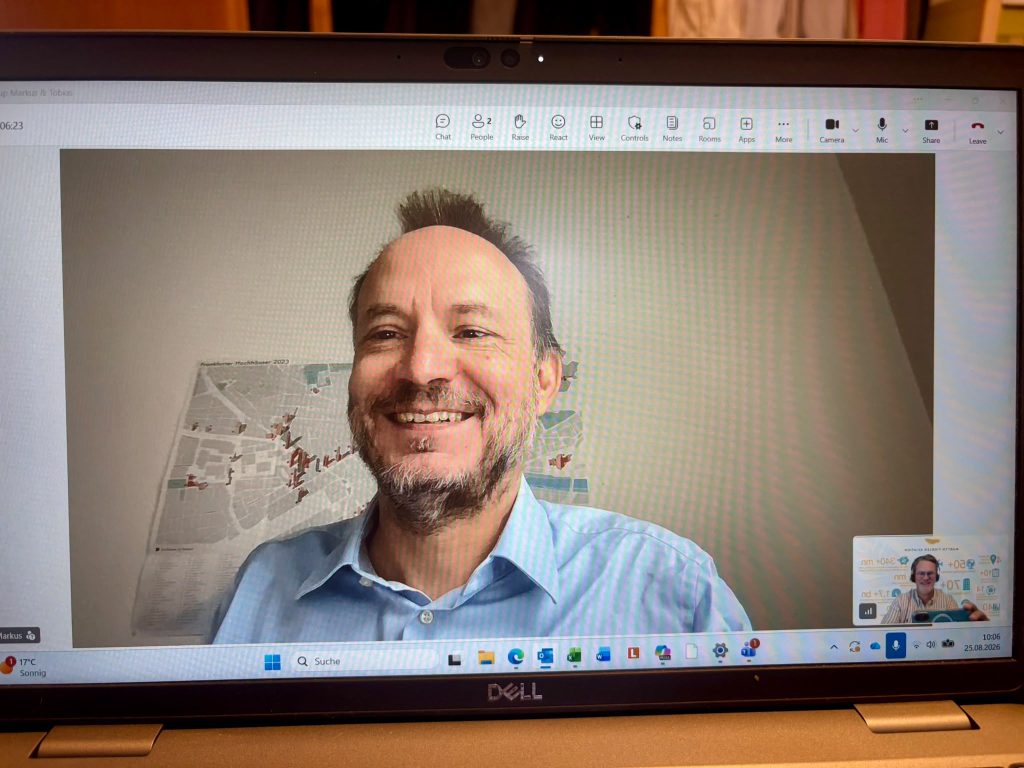
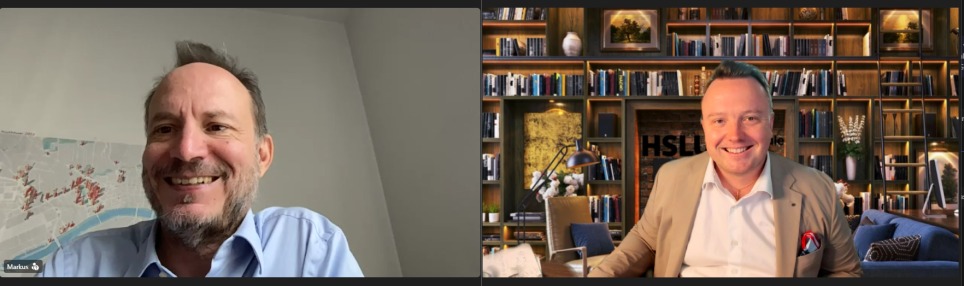
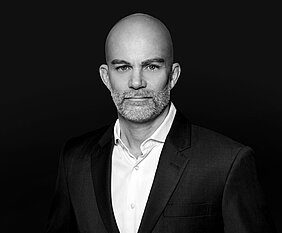
Markus Hill discusses the connection between these topics with Jan Carlos Janke, a lecturer in the Digital Business & Innovation program at Lucerne University of Applied Sciences and Arts – Computer Science, project manager of the Swiss Digital Finance Conference, co-director of the Digital Sovereignty Index, and co-program director of the new CAS Digital Identity & Trust program.

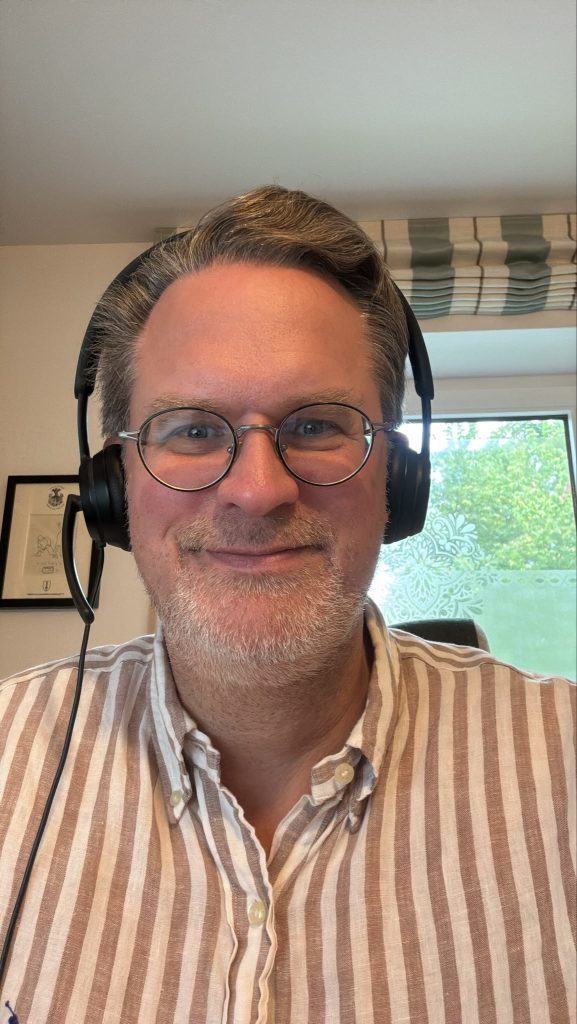
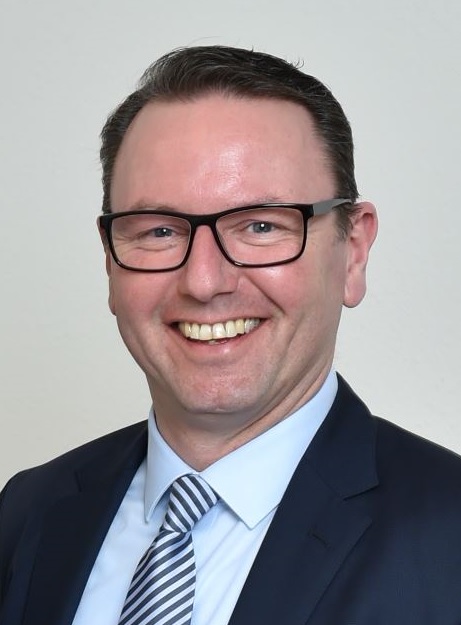
Jan Carlos Janke, Hochschule Luzern

Hill: Mr. Janke, why do you think we need a Swiss Digital Finance Conference at all? There are already numerous banking, fintech, and technology conferences.Janke: That’s precisely why. Many events focus on individual aspects: AI, blockchain, digital assets, cybersecurity, fintech, or regulation. Our basic premise is different: The truly relevant changes are increasingly emerging at the intersections of these technologies. The financial industry isn’t simply experiencing another wave of digitization. We’re seeing a combination of artificial intelligence, highly automated processes, blockchain and distributed ledger infrastructures, digital identities, new forms of digital assets, and, looking ahead, quantum computing. The crucial question, therefore, is no longer just: Which technology will prevail? Rather: What happens when these technologies interact with one another and, through “ ,” enable new business models, processes, and market structures? This is precisely the perspective we aim to facilitate with the Swiss Digital Finance Conference.

Hill: Is that why the theme for 2026 is “Technology Convergence – Redefining the Financial Architecture”?

Janke: Exactly. We don’t want to discuss technology as an end in itself. AI, for example, can automate processes, analyze information, and prepare decisions. Blockchain and distributed ledger technologies can create new transaction and ownership structures. Digital identities and verifiable proofs, in turn, can clarify who or what is actually acting within digital processes and with what authorization. If, in the future, autonomous AI agents also trigger transactions or carry out business processes independently, these questions will become even more important. This quickly takes us from individual technologies to architecture: How do we design financial systems in which data, identities, assets, and automated actors can interact securely and trustworthily with one another?

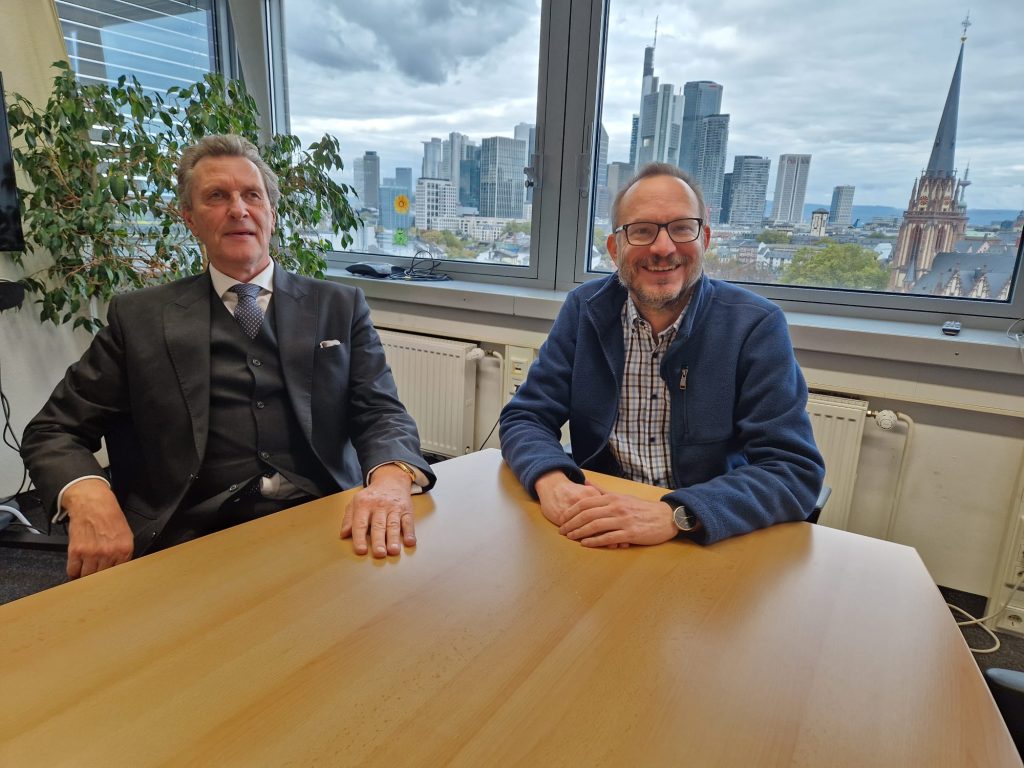
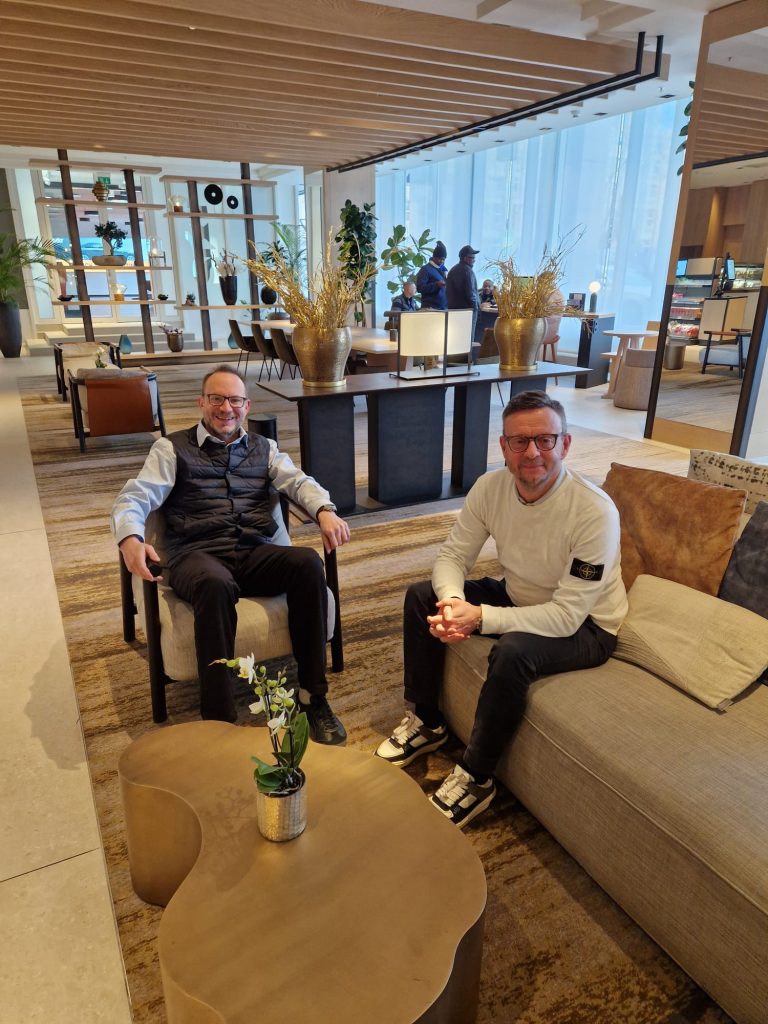
Markus Hill, Finanzplatz Frankfurt am Main & Jan Carlos Janke, Hochschule Luzern

Hill: With Damir Bogdan, you’ve secured an expert in business transformation, AI, and quantum computing as a keynote speaker. What do you expect from his presentation?

Janke: His keynote, “Technology Convergence – AI, Quantum Computing, and the Race for Execution,” offers a perspective that’s important to us: Technological capabilities alone do not create a competitive advantage. What’s becoming increasingly crucial is the ability of organizations to meaningfully combine different technologies and translate them into scalable business models and processes. In my view, this also shifts the focus of management. It’s not enough to know which technologies might become relevant. Companies must be able to decide where to invest, which capabilities they want to control themselves, which ecosystems to leverage, and where dependencies are acceptable. And that brings us right to the topic of digital sovereignty.

Hill: Is that the connection to the Digital Sovereignty Index?

Janke: Yes—and that’s exactly why I don’t view the two events in isolation from one another. The Swiss Digital Finance Conference first asks: How is technological convergence changing the architecture of the financial system? A few days later, the Digital Sovereignty Index poses the follow-up question: How capable of acting and how self-determined are companies within this increasingly complex digital architecture? Together with our industry partner ti&m, the Lucerne University of Applied Sciences and Arts is using the Digital Sovereignty Index to examine how Swiss organizations assess digital sovereignty and what capabilities are necessary to achieve it. Among other things, this involves strategic and technological dependencies, data, infrastructure, governance, and the ability of organizations to shape their digital transformation in a self-determined manner. On October 6, 2026, we will present the results to the public for the first time and discuss them with experts from the fields of business, technology, and academia. Our goal is not to engage in an abstract debate about technological independence. Companies will continue to use international technology providers, cloud infrastructures, platforms, and specialized software in the future. The crucial question is rather: Where does an efficient division of labor give rise to a strategically problematic dependency—and does an organization still have sufficient options, expertise, and control to act autonomously?

Hill: What role do digital identities play in this context?

Janke: A very central one. We’re moving toward digital ecosystems where it’s no longer just people interacting with one another. Companies, government agencies, platforms, machines, and—increasingly—AI agents must all have roles, permissions, and credentials. Digital identity therefore means far more than just logging in or authenticating. With the Swiss e-ID, the swiyu Wallet, the federal government’s trust infrastructure, and verifiable credentials, an infrastructure is currently emerging that will make trustworthy digital interactions significantly easier and more automated. We are engaged with this development both in research and across various ecosystems, including within the context of DIDAS—theDigital Identity and Data Sovereignty Association—and the DIDAS Launchpad for the swiyu Ecosystem. The fundamental idea behind this is important: People and organizations should be able to use digital credentials reliably without having to exchange complete data sets with every interaction or rely on central platforms as the sole authority of trust. For me, this is a good example of how digital sovereignty does not mean isolating oneself technologically. On the contrary: sovereignty arises through choice, interoperability, and thoughtfully designed digital ecosystems.

Hill: You’re now incorporating these topics into continuing education programs at Lucerne University of Applied Sciences and Arts.

Janke: Yes. For me, this is exactly where the circle closes between research, practice, and continuing education. In the Digital Business & Innovation program at the Lucerne University of Applied Sciences and Arts, we explore how digital technologies are transforming business models, processes, and entire organizations—and how companies can actively shape this transformation. We deliberately focus on more than just individual technologies. We examine the interplay between technology, business models, innovation, organization, and digital ecosystems. A new component within this field is the CAS in Digital Identity & Trust, which I co-direct with Prof. Dr. Oliver Gilbert. Here, we examine digital identities, e-IDs, wallets, and verifiable credentials from more than just a technological perspective. Equally important are business models, governance, trust frameworks, interoperability, digital ecosystems, and digital sovereignty. After all, companies will need specialists and executives in the future who can bring these different perspectives together. Ultimately, this follows the same logic as the Swiss Digital Finance Conference: technology, business, and governance can be viewed less and less in isolation from one another.

Hill: Why is the financial sector particularly interesting in light of this development?

Janke: The financial industry is probably one of the sectors where this convergence is particularly evident. Banks already have complex identity, compliance, and transaction infrastructures in place. At the same time, new opportunities are emerging through AI, tokenization, digital assets, automated business processes, and digital credentials. Imagine, for example, a more highly automated financial process in which not only a customer’s identity is verified, but also their affiliation with a company, authority to act on behalf of the company, or regulatory documentation can be verified digitally and in a machine-readable format. If such documentation is available in an interoperable format, processes can be fundamentally reimagined. If we look ahead and combine this with AI agents, another dimension emerges. Then we must not only know who a person is, but also: On whose behalf is a digital agent acting? What powers does it have? And on what basis is it authorized to initiate a specific transaction? These are questions that touch on technology, governance, liability, regulation, cybersecurity, and trust all at once.

Hill: Frankfurt and Switzerland are two major financial and innovation hubs. Where do you see opportunities for greater collaboration?

Janke: Plenty. I worked in Frankfurt for several years myself and find the two ecosystems to be highly complementary. Frankfurt boasts an enormous concentration of banks, asset managers, regulatory bodies, infrastructure companies, and institutional investors. Switzerland, on the other hand, has a strong innovation ecosystem centered on fintech, blockchain, digital assets, digital identities, and new digital trust infrastructures. That’s why, especially when it comes to topics like tokenization, AI in the financial sector, digital identity, or digital sovereignty, it’s worthwhile to exchange ideas across national and ecosystem boundaries. Technological transformation doesn’t stop at national borders anyway. In my view, the Swiss Digital Finance Conference on September 24 offers an ideal platform for this.

Hill: What should participants take away from the Swiss Digital Finance Conference?

Janke: Ideally, not just a list of new technologies. I want them to recognize the connections. Which technologies are beginning to reinforce one another? What new business models are emerging from this? What infrastructure is needed for this? Where are new dependencies arising? And what capabilities does my organization need to build today so that it can still make autonomous decisions tomorrow? If, the next morning, someone in the company doesn’t ask: “Do we need AI, blockchain, or quantum computing now, too?” but instead: “How does the combination of these developments change our future architecture and our strategic options?” then we’ve achieved a great deal. And the discussion doesn’t end on September 24. On the contrary. I see the Swiss Digital Finance Conference on September 24 and the presentation of the Digital Sovereignty Index on October 6 as two stages of the same discussion. The first event focuses more on the technological future of financial architecture. The second provides a data-driven assessment of where we stand: How well are Swiss organizations prepared for precisely this future—and how sovereignly can they actually shape their digital transformation? In between lie topics such as e-ID, digital identities, verifiable credentials, swiyu, AI, the cloud, blockchain, and new digital ecosystems. It is precisely this connection between technology, business, and transformation that also defines the Digital Business & Innovation program at Lucerne University of Applied Sciences and Arts and the new CAS in Digital Identity & Trust. What ultimately ties all these topics together is a central management question: How do we leverage the opportunities of an increasingly interconnected digital world without losing control over our own ability to act? This is exactly what the financial sector, technology companies, academia, and policymakers should be discussing together right now.

About Jan Carlos Janke

Jan Carlos Janke is a lecturer in the Digital Business & Innovation program at Lucerne University of Applied Sciences and Arts – Computer Science.

He is the project manager of the Swiss Digital Finance Conference, co-director of the Digital Sovereignty Index 2026, and co-program director of the CAS Digital Identity & Trust program.

His work lies at the intersection of digital finance, technological innovation, digital identities, blockchain, digital assets, digital ecosystems, and digital sovereignty.

About Markus Hill (Swiss Digital Finance Conference 2026)

Markus Hill is an independent asset management consultant and has been active for many years as a specialist author, moderator, and interviewer at the intersection of asset management, the fund industry, and the financial sector.

Further Information

Swiss Digital Finance Conference 2026 – September 24, 2026

Swiss Digital Finance Conference

Digital Sovereignty Index – Presentation and Discussion on October 6, 2026

www.hslu.ch

HSLU Research Area: Digital Business & Innovation

www.hslu.ch.de-ch.informatik

Dialogue & Information:

FINANZPLATZ FRANKFURT AM MAIN on LINKEDIN – CHANNEL

FRANKFURT AM MAIN FINANCIAL CENTER on LINKEDIN – GROUP

FUND BOUTIQUES on LINKEDIN – CHANNEL

FINANZPLATZ-FRANKFURT-MAIN.DE, DACHLI Region & FONDSBOUTIQUEN.DE (2026) – Topics, Interests, Dialogue (Selection & “Snapshots”)

February 25, 2026, Frankfurt – “Frankfurt am Main Financial Center Meets Wealth Management”

(Markus Hill – Moderators: Christian Neuhaus – FINVIA, Sven Karkossa – Capitell Vermögens-Management AG, Noel Zeh – Wunderland Capital)

February 26, 2026, Frankfurt – “Forum for Digital Assets (FDV)”

Editorial Team – Special Feature “Frankfurt am Main Financial Center Meets Wealth Management & Digital Assets”

(Interviews / Guest Contributions, “Support” & MORE: info: markus-hill.com)

March 17, 2026, Frankfurt – Private Markets Excellence Forum – “Private Markets, Family Offices & Foundations – Due Diligence & Outlook 2026”

(Markus Hill – Fireside Chat: J. Paulo Dos Santos – Managing Director, VIRATIO GmbH)

Interview with Christian Hommens – SMART IMPACT INVESTING & PRIVATE MARKETS

Spring 2026Investor Study “Preferences of Institutional Investors in Real Estate & Alternative Investments”

(Markus Hill – Moderator, Podcast: Sebastian Thürmer, “artis & x” – Example 2025)

April 16, 2026 – “köln let’s talk” – Bettina Timmler – Real Estate & Dialogue

(Media Partnership)

May 12, 2026, Frankfurt: “Value Investing & Commodities & MORE”

(Markus Hill – Moderator & brief introduction “Fund Boutiques & the U.S. Formula” – Alex J. Rauschenstein & Urs Marti, SIA FUNDS AG – FINANCIAL CENTER SWITZERLAND)

June 17, 2026, Zurich: Insights – “Family Offices & Fund Boutiques” – The Mountain Talks Summit – FUNDPLAT

(Presentation – Markus Hill)

September 24, 2026, Lucerne: “Swiss Digital Finance Conference 2026” – Markus Hill (PARTNER) speaks with Jan Carlos Janke, lecturer in Digital Business & Innovation at Lucerne University of Applied Sciences and Arts – Computer Science

November 10, 2026, Frankfurt: “Frankfurt am Main Financial Center Meets Liechtenstein Financial Center”

(Markus Hill – Moderator – LAFV Liechtenstein Investment Fund Association: Panel & Presentations)

Input, ideas, and suggestions on the topics mentioned above are welcome:

info@markus-hill.com / +49 (0) 163 4616 179

Photo: Pixabay

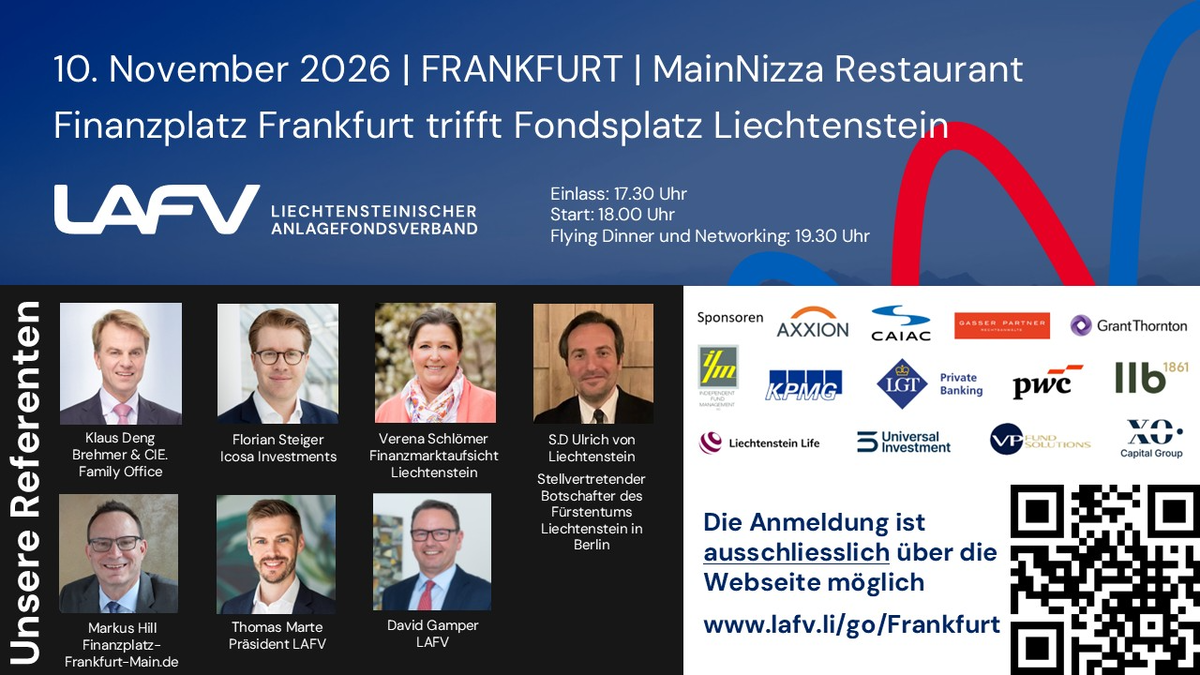
FINANCIAL CENTER FRANKFURT & FINANCIAL CENTER LIECHTENSTEIN: “Independent wealth managers, family offices, banks, and specialized asset managers in particular benefit from this unique positioning of Liechtenstein as a fund center.” (INTERVIEW – David Gamper, LAFV Liechtenstein Investment Fund Association)

Published 

Liechtenstein’s fund industry is growing—Markus Hill spoke with David Gamper, Managing Director of the Liechtenstein Investment Fund Association (LAFV), on behalf of FINANZPLATZ FRANKFURT AM MAIN, about the specialization in private-label funds, the role of dialogue-oriented supervision, and the biggest obstacle to growth: international recognition. Other topics include the recent roadshow in London and the question of why the British market is particularly interesting for Liechtenstein in the long term. On November 10, 2026, the LAFV will continue the dialogue in Frankfurt.

Hill: How is the Liechtenstein fund industry performing this year?
Gamper: We can be very satisfied with the first half of the year. Assets under management have risen by about 9%. Slightly more than a third of this growth is attributable to net inflows, with the remainder coming from price and currency gains. The number of new fund launches is also above last year’s level. This came as quite a surprise to us, as many of our members were simultaneously heavily occupied with implementing AIFMD II. These regulatory adjustments tied up significant personnel and organizational resources. It is therefore all the more gratifying that the industry was nevertheless able to maintain its growth momentum.

David Gamper, LAFV Liechtensteinischer Anlagefondsverband

Hill: You were just on a roadshow in London—not for the first time. Do you sense a change in the UK now?
Gamper: Yes, we’re seeing a very encouraging trend. Until a few years ago, Liechtenstein as a fund domicile was virtually unknown in the UK . We therefore had to lay the groundwork first and build awareness of the location in the first place. We only began targeted market development a few years ago; relative to the size of the UK market, we’re still operating on a comparatively modest budget. This makes it all the more gratifying that our efforts are increasingly bearing fruit. The number of participants in our roadshows is growing with each event. We’re having significantly more in-depth discussions with asset managers and service providers and are receiving more concrete inquiries. This is now also reflected in a growing number of funds being established in Liechtenstein by British asset managers. The British market is one of the largest and most international fund and asset management markets in Europe. Awareness and trust do not develop overnight there. However, developments to date show that Liechtenstein—with its short decision-making processes, high regulatory standards, and access to the European single market—is attracting increasing interest. We are convinced that in the UK, we are only at the beginning and still have considerable growth potential.

Hill: Liechtenstein is considered an important location for private-label funds. What is its particular strength?
Gamper: In recent years, Liechtenstein has deliberately positioned itself as a center of excellence for private-label funds. While major fund domiciles such as Luxembourg or Ireland primarily cater to international asset managers with very large fund volumes and structure their operations around economies of scale, Liechtenstein focuses on a different market segment. Here, private-label funds are not a niche product, but rather the core of the fund market. That is why all stakeholders—fund managers, custodian banks, specialized service providers, and the financial market supervisory authority—share a common interest in continuously improving the framework conditions for fund initiators and designing efficient processes. Independent asset managers, family offices, banks, and specialized asset managers in particular benefit from this unique positioning of Liechtenstein as a fund center. They find contacts who understand their business model, short decision-making paths, and a regulatory environment that enables innovation while ensuring high quality and compliance standards. This specialization is a genuine competitive advantage: In Liechtenstein, fund initiators are not just one of many clients—they are the focus of attention. This enables close collaboration, customized solutions, and a high quality of service—factors that are crucial in the private-label business.

Markus Hill, FINANZPLATZ FRANKFURT AM MAIN

Hill: What role does the Financial Market Authority play in the location’s attractiveness?
Gamper: The Financial Market Authority is a key factor in our success. An attractive fund center requires high regulatory standards and legal certainty, but also a regulator that seeks dialogue with market participants and facilitates efficient processes. It is precisely this combination that sets Liechtenstein apart. A particular advantage is the close and direct communication. Every fund company has a personal point of contact at the Financial Market Authority. Regular communication is not only possible but expressly encouraged. This is particularly helpful when dealing with more complex fund structures or innovative asset classes: early dialogue clarifies regulatory issues and efficiently prepares the approval process. The division of roles remains clear throughout. The Financial Market Authority does not act in an advisory capacity, but sees itself as an accessible and dialogue-oriented authority. Verena Schlömer of the Financial Market Authority recently put this aptly before fund sponsors: “We are not advisors, but we are happy to consult with you.” This statement sums up the Liechtenstein approach very well: talking to one another early on, fostering mutual understanding, and finding solutions within the regulatory framework. Short decision-making paths, dedicated points of contact, and constructive dialogue provide planning certainty. This allows even challenging fund projects to be implemented efficiently. Many market participants particularly appreciate this distinction when comparing Liechtenstein to other international markets.

Hill: How does European regulation affect a small fund center like Liechtenstein?
Gamper: European regulation naturally has a noticeable impact on a small fund center. For small and medium-sized companies—which are typical here—implementing new requirements often entails considerable effort and additional resources. At the same time, Liechtenstein has an important advantage: The regulator implements European requirements in a targeted manner and—unlike some other fund centers—avoids imposing additional restrictions beyond those set by Brussels. This pragmatic approach strikes a balance between necessary regulation and competitiveness. Both local companies and fund sponsors benefit from this. They receive a reliable regulatory framework without unnecessary additional hurdles. For a small fund center, it is crucial to remain efficient while meeting high European standards.

Hill: What is currently the biggest obstacle to further growth?
Gamper: In our view, the biggest obstacle is not the quality of the location, but its visibility. Anyone who gets to know Liechtenstein as a fund location more closely is generally convinced by the framework conditions and the ecosystem’s capabilities. Many then wonder why growth isn’t even stronger—and usually reach the same conclusion: Liechtenstein’s strengths are still not well known internationally. Luxembourg and Ireland have been established as fund domiciles for decades and invest significant resources in their international marketing. Our association is working with a comparatively limited budget to gradually increase awareness—through roadshows, social media, and direct engagement with fund sponsors such as asset managers, wealth managers, and family offices. I am convinced that the more potential fund sponsors get to know Liechtenstein, the stronger the growth will be. Our task, therefore, is to further increase visibility and promote the location’s strengths even more effectively in international markets.

Hill: When will you be in Germany next?
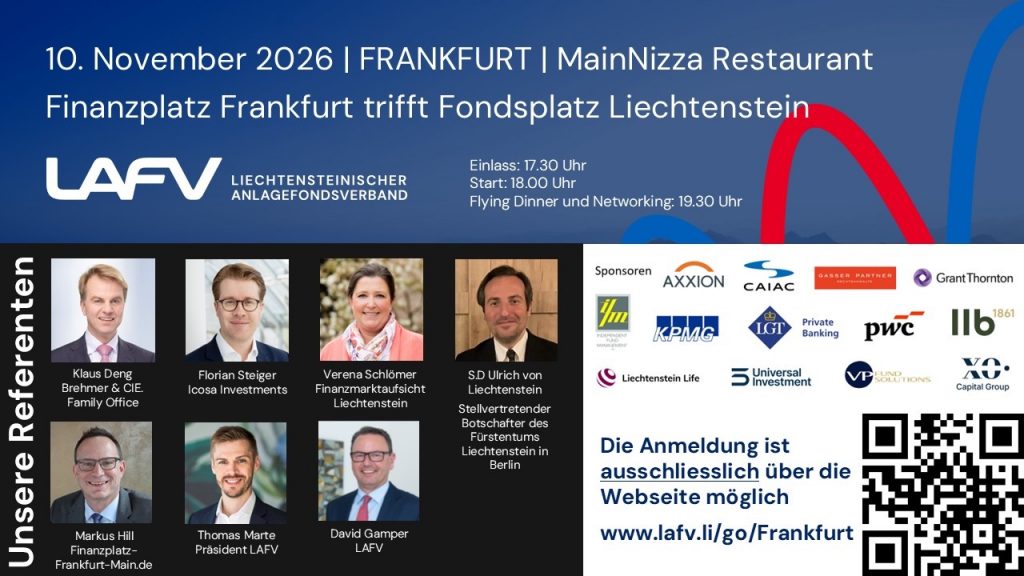
Gamper: We’ll be in Frankfurt on November 10, 2026. Joining us will be the Deputy Ambassador in Berlin, H.E. Ulrich von Liechtenstein; Klaus Deng, Senior Partner at Brehmer & CIE. Family Office; Verena Schlömer from the Liechtenstein Financial Market Authority ( ); Florian Steiger, CEO and founder of Icosa Investments AG; Thomas Marte, President of the LAFV; and myself. Those interested can find more information and register on our website.

Hill: Thank you very much for the interview.

Frankfurt as a Financial Center Meets Liechtenstein as a Fund Center” – Event Announcement & Registration:

Information and Registration

Dialogue & Information:

FINANZPLATZ FRANKFURT AM MAIN on LINKEDIN – CHANNEL

FRANKFURT AM MAIN FINANCIAL CENTER on LINKEDIN – GROUP

FUND BOUTIQUES on LINKEDIN – CHANNEL

FINANZPLATZ-FRANKFURT-MAIN.DE, DACHLI Region & FONDSBOUTIQUEN.DE (2026) – Topics, Interests, Dialogue (Selection & “Snapshots”)

February 25, 2026, Frankfurt – “Frankfurt am Main Financial Center Meets Wealth Management”

(Markus Hill – Moderators: Christian Neuhaus – FINVIA, Sven Karkossa – Capitell Vermögens-Management AG, Noel Zeh – Wunderland Capital)

February 26, 2026, Frankfurt – “Forum for Digital Assets (FDV)”

Editorial Team – Special Feature “Frankfurt am Main Financial Center Meets Wealth Management & Digital Assets”

(Interviews / Guest Contributions, “Support” & MORE: info: markus-hill.com)

March 17, 2026, Frankfurt – Private Markets Excellence Forum – “Private Markets, Family Offices & Foundations – Due Diligence & Outlook 2026”

(Markus Hill – Fireside Chat: J. Paulo Dos Santos – Managing Director, VIRATIO GmbH)

Interview with Christian Hommens – SMART IMPACT INVESTING & PRIVATE MARKETS

Spring 2026Investor Study “Preferences of Institutional Investors in Real Estate & Alternative Investments”

(Markus Hill – Moderator, Podcast: Sebastian Thürmer, “artis & x” – Example 2025)

April 16, 2026 – “köln let’s talk” – Bettina Timmler – Real Estate & Dialogue

(Media Partnership)

May 12, 2026, Frankfurt: “Value Investing & Commodities & MORE”

(Markus Hill – Moderator & brief introduction “Fund Boutiques & the U.S. Formula” – Alex J. Rauschenstein & Urs Marti, SIA FUNDS AG – FINANCIAL CENTER SWITZERLAND)

June 17, 2026, Zurich: Insights – “Family Offices & Fund Boutiques” – The Mountain Talks Summit – FUNDPLAT

(Presentation – Markus Hill)

September 24, 2026, Lucerne: “Swiss Digital Finance Conference 2026” – Markus Hill (PARTNER) speaks with Jan Carlos Janke, lecturer in Digital Business & Innovation at Lucerne University of Applied Sciences and Arts – Computer Science

November 10, 2026, Frankfurt: “Frankfurt am Main Financial Center Meets Liechtenstein Financial Center”

(Markus Hill – Moderator – LAFV Liechtenstein Investment Fund Association: Panel & Presentations)

Input, ideas, and suggestions on the topics mentioned above are welcome:

info@markus-hill.com / +49 (0) 163 4616 179

Photo: Pixabay

Source: IPE D.A.CH

FINANZPLATZ FRANKFURT & FINANZPLATZ LIECHTENSTEIN: „Gerade unabhängige Vermögensverwalter, Family Offices, Banken und spezialisierte Asset Manager profitieren von dieser besonderen Positionierung des Fondsplatzes Liechtenstein“ (INTERVIEW – David Gamper, LAFV Liechtensteinischer Anlagefondsverband)

Der Fondsplatz Liechtenstein wächst – Markus Hill sprach für FINANZPLATZ FRANKFURT AM MAIN mit David Gamper, Geschäftsführer des Liechtensteinischen Anlagefondsverbands (LAFV), über die Spezialisierung auf Private-Label-Fonds, die Rolle einer dialogorientierten Aufsicht und die noch immer größte Wachstumsbremse: die internationale Bekanntheit. Weitere Themen sind die jüngste Roadshow in London und die Frage, weshalb der britische Markt für Liechtenstein langfristig besonders interessant ist. Am 10. November 2026 setzt der LAFV den Dialog in Frankfurt fort.

Hill: Wie entwickelt sich die liechtensteinische Fondsbranche in diesem Jahr?
Gamper: Wir können mit dem ersten Halbjahr sehr zufrieden sein. Die Assets under Management sind um rund 9% gestiegen. Etwas mehr als ein Drittel dieses Wachstums ist auf Nettomittelzuflüsse zurückzuführen, der übrige Anstieg auf Kurs- und Währungsgewinne. Auch die Zahl der Fondsneugründungen liegt über dem Vorjahresniveau. Das hat uns durchaus überrascht, denn viele unserer Mitglieder waren gleichzeitig stark mit der Umsetzung der AIFMD II beschäftigt. Diese regulatorischen Anpassungen haben erhebliche personelle und organisatorische Ressourcen gebunden. Umso erfreulicher ist es, dass die Branche ihre Wachstumsdynamik dennoch beibehalten konnte.

David Gamper, LAFV Liechtensteinischer Anlagefondsverband

Hill: Sie waren gerade auf Roadshow in London – nicht zum ersten Mal. Spüren Sie in Großbritannien inzwischen eine Veränderung?
Gamper: Ja, wir sehen eine sehr erfreuliche Entwicklung. Das Fondsdomizil Liechtenstein war in Großbritannien bis vor wenigen Jahren praktisch unbekannt. Wir mussten daher zunächst Grundlagenarbeit leisten und überhaupt ein Bewusstsein für den Standort schaffen. Die gezielte Marktbearbeitung haben wir erst vor wenigen Jahren aufgenommen; gemessen an der Größe des britischen Marktes arbeiten wir nach wie vor mit einem vergleichsweise bescheidenen Budget. Umso erfreulicher ist es, dass unsere Aktivitäten zunehmend Früchte tragen. Die Zahl der Teilnehmenden an unseren Roadshows wächst von Veranstaltung zu Veranstaltung. Wir führen deutlich mehr vertiefte Gespräche mit Asset Managern und Dienstleistern und verzeichnen mehr konkrete Anfragen. Inzwischen zeigt sich das auch in einer wachsenden Zahl von Fondsgründungen britischer Asset Manager in Liechtenstein. Der britische Markt gehört zu den größten und internationalsten Fonds- und Asset-Management-Märkten Europas. Bekanntheit und Vertrauen entstehen dort nicht über Nacht. Die bisherige Entwicklung zeigt jedoch, dass Liechtenstein mit kurzen Entscheidungswegen, hoher regulatorischer Qualität und Zugang zum europäischen Binnenmarkt auf ein zunehmendes Interesse stößt. Wir sind überzeugt: In Großbritannien stehen wir erst am Anfang und verfügen noch über erhebliches Wachstumspotenzial.

Hill: Liechtenstein gilt als wichtiger Standort für Private-Label-Fonds. Worin liegt die besondere Stärke?
Gamper: Liechtenstein hat sich in den vergangenen Jahren ganz bewusst als Kompetenzzentrum für Private-Label-Fonds positioniert. Während große Fondsdomizile wie Luxemburg oder Irland vor allem internationale Asset Manager mit sehr hohen Fondsvolumina adressieren und ihre Strukturen auf Skaleneffekte ausrichten, konzentriert sich Liechtenstein auf ein anderes Marktsegment. Private-Label-Fonds sind bei uns kein Nischenprodukt, sondern der Kern des Fondsmarktes. Deshalb haben alle Beteiligten – Fondsleitungen, Depotbanken, spezialisierte Dienstleister und Finanzmarktaufsicht – ein gemeinsames Interesse daran, die Rahmenbedingungen für Fondsinitiatoren kontinuierlich zu verbessern und Prozesse effizient zu gestalten. Gerade unabhängige Vermögensverwalter, Family Offices, Banken und spezialisierte Asset Manager profitieren von dieser besonderen Positionierung des Fondsplatzes Liechtenstein. Sie finden Ansprechpartner, die ihr Geschäftsmodell verstehen, kurze Entscheidungswege sowie ein regulatorisches Umfeld, das Innovation ermöglicht und zugleich hohe Qualitäts- und Compliance-Standards gewährleistet. Diese Spezialisierung ist ein echter Wettbewerbsvorteil: Fondsinitiatoren sind in Liechtenstein nicht einer von vielen Kunden, sondern stehen im Mittelpunkt. Das ermöglicht eine enge Zusammenarbeit, individuelle Lösungen und eine hohe Servicequalität – Faktoren, die im Private-Label-Geschäft entscheidend sind.

Hill: Welche Rolle spielt die Finanzmarktaufsicht für die Attraktivität des Standorts?
Gamper: Die Finanzmarktaufsicht ist ein wesentlicher Erfolgsfaktor. Ein attraktiver Fondsplatz braucht hohe regulatorische Standards und Rechtssicherheit, aber ebenso eine Aufsicht, die den Dialog mit den Marktteilnehmern sucht und effiziente Prozesse ermöglicht. Genau diese Kombination zeichnet Liechtenstein aus. Ein besonderer Vorteil ist die enge und direkte Kommunikation. Jede Fondsgesellschaft verfügt über einen persönlichen Ansprechpartner bei der Finanzmarktaufsicht. Der regelmäßige Austausch ist nicht nur möglich, sondern ausdrücklich erwünscht. Das ist vor allem bei komplexeren Fondsstrukturen oder innovativen Anlageklassen hilfreich: Ein frühzeitiger Dialog klärt regulatorische Fragen und bereitet den Bewilligungsprozess effizient vor. Die Rollenverteilung bleibt dabei klar. Die Finanzmarktaufsicht übernimmt keine Beratungsfunktion, versteht sich aber als zugängliche und dialogorientierte Behörde. Verena Schlömer von der Finanzmarktaufsicht hat dies kürzlich vor Fondsinitiatoren treffend formuliert: «Wir sind keine Berater, beraten aber gerne mit Ihnen.» Dieser Satz bringt den liechtensteinischen Ansatz sehr gut auf den Punkt: frühzeitig miteinander sprechen, gegenseitiges Verständnis schaffen und Lösungen innerhalb des regulatorischen Rahmens finden. Kurze Wege, feste Ansprechpartner und ein konstruktiver Austausch schaffen Planungssicherheit. So lassen sich auch anspruchsvolle Fondsprojekte effizient umsetzen. Diesen Unterschied schätzen viele Marktteilnehmer im internationalen Vergleich besonders.

Hill: Wie wirkt sich die europäische Regulierung auf einen kleinen Fondsstandort wie Liechtenstein aus?
Gamper: Die europäische Regulierung hat für einen kleinen Fondsstandort natürlich spürbare Auswirkungen. Für kleine und mittelgroße Unternehmen, wie sie hierzulande typisch sind, bedeutet die Umsetzung neuer Anforderungen häufig erheblichen Aufwand und zusätzliche Ressourcen. Gleichzeitig besitzt Liechtenstein einen wichtigen Vorteil: Der Regulator setzt die europäischen Vorgaben zielgerichtet um und vermeidet – anders als manche andere Fondsstandorte – zusätzliche Verschärfungen über die Brüsseler Vorgaben hinaus. Diese pragmatische Herangehensweise schafft ein ausgewogenes Verhältnis zwischen notwendiger Regulierung und Wettbewerbsfähigkeit. Davon profitieren die ansässigen Unternehmen ebenso wie die Fondsinitiatoren. Sie erhalten einen verlässlichen regulatorischen Rahmen, ohne unnötige zusätzliche Hürden. Für einen kleinen Fondsstandort ist es entscheidend, effizient zu bleiben und gleichzeitig die hohen europäischen Standards zu erfüllen.

Markus Hill, FINANZPLATZ FRANKFURT AM MAIN

Hill: Was ist derzeit das größte Hemmnis für weiteres Wachstum?
Gamper: Das größte Hemmnis ist aus unserer Sicht nicht die Qualität des Standorts, sondern seine Bekanntheit. Wer den Fondsstandort Liechtenstein näher kennenlernt, ist in der Regel von den Rahmenbedingungen und der Leistungsfähigkeit des Ökosystems überzeugt. Viele fragen sich dann, weshalb das Wachstum nicht noch stärker ausfällt – und gelangen meist zum gleichen Schluss: Die Stärken Liechtensteins sind international noch immer zu wenig bekannt. Luxemburg und Irland sind seit Jahrzehnten als Fondsdomizile etabliert und investieren erhebliche Mittel in ihre internationale Vermarktung. Unser Verband arbeitet mit einem vergleichsweise begrenzten Budget daran, die Bekanntheit Schritt für Schritt zu erhöhen – mit Roadshows, Social Media und dem direkten Austausch mit Fondsinitiatoren wie Asset Managern, Vermögensverwaltern und Family Offices. Ich bin überzeugt: Je mehr potenzielle Fondsinitiatoren Liechtenstein kennenlernen, desto stärker wird das Wachstum ausfallen. Unsere Aufgabe besteht daher darin, die Sichtbarkeit weiter zu erhöhen und die Stärken des Standorts noch gezielter in die internationalen Märkte zu tragen.

Hill: Wann sind Sie das nächste Mal in Deutschland?
Gamper: Wir werden am 10. November 2026 in Frankfurt sein. Mit dabei sind der stellvertretende Botschafter in Berlin, S.D. Ulrich von Liechtenstein, Klaus Deng, Senior Partner bei Brehmer & CIE. Family Office, Verena Schlömer von der Finanzmarktaufsicht Liechtenstein, Florian Steiger, CEO und Gründer der Icosa Investments AG, Thomas Marte, Präsident des LAFV, und ich selbst. Nähere Informationen und die Möglichkeit zur Anmeldung finden Interessierte auf unserer Website.

Hill: Vielen Dank für das Gespräch.

Finanzplatz Frankfurt trifft Fondsplatz Liechtenstein“ – Veranstaltungshinweis & Anmeldung:

Informationen und Anmeldung

Dialog & Information:

FINANZPLATZ FRANKFURT AM MAIN auf LINKEDIN – KANAL

FINANZPLATZ FRANKFURT AM MAIN auf LINKEDIN – GRUPPE

FONDSBOUTIQUEN auf LINKEDIN – KANAL

FINANZPLATZ-FRANKFURT-MAIN.DE, DACHLI-Region & FONDSBOUTIQUEN.DE (2026) – Themen, Interessen, Dialog (Auswahl & „Snapshots“)

25.2.2026, Frankfurt – „Finanzplatz Frankfurt am Main meets Wealthmanagement“

(Markus Hill – Moderation: Christian Neuhaus – FINVIA, Sven Karkossa – Capitell Vermögens-Management AG, Noel Zeh – Wunderland Capital)

26.2.2026, Frankfurt – „Forum für Digitale Vermögenswerte (FDV)“

Redaktion – Themenspecial „Finanzplatz Frankfurt am Main meets Wealthmanagement & Digital Assets“

(Interviews / Gastbeiträge, “Support” & MORE: info: markus-hill.com)

17.3.2026, Frankfurt – Private Markets Excellence Forum – „Private Markets, Family Offices & Stiftungen – Due Diligence & Ausblick 2026”

(Markus Hill – Fireside Chat: J. Paulo Dos Santos – Geschäftsführer, VIRATIO GmbH)

Interview mit Christian Hommens  SMART IMPACT INVESTING & PRIVATE MARKETS

Frühjahr 2026Investorenstudie „Präferenzen institutioneller Investoren bei Immobilien & Alternative Investments“

(Markus Hill – Moderation, Podcast: Sebastian Thürmer, “artis & x” – Beispiel 2025)

16.4.2026 – „köln let’s talk“ – Bettina Timmler – Immobilien & Dialog

(Medienpartnerschaft)

12.5.2026, Frankfurt: „Value Investing & Rohstoffe & MORE“

(Markus Hill – Moderation & Kurzintro „Fondsboutiquen & USA-Formel“ – Alex J. Rauschenstein & Urs Marti, SIA FUNDS AG – FINANZPLATZ SCHWEIZ)

17.6.2026, Zürich: Insights – “Family Offices & Fondsboutiquen” – The Mountain Talks Summit – FUNDPLAT

(Vortrag – Markus Hill)

24.9.2026, Luzern: „Swiss Digital Finance Conference 2026“ – Markus Hill (PARTNER) spricht mit Jan Carlos Janke, Dozent im Themenfeld Digital Business & Innovation der Hochschule Luzern – Informatik

10.11.2026, Frankfurt: „Finanzplatz Frankfurt am Main meets Finanzplatz Liechtenstein“

(Markus Hill – Moderation – LAFV Liechtensteinischer Anlagefondsverband: Panel & Vorträge)

Input, Ideen & Anregungen zu den oben genannten Themen sind willkommen:

info@markus-hill.com / +49 (0) 163 4616 179

Photo: Pixabay

Quelle: IPE D.A.CH

Frankfurt Financial Center & Swiss Financial Center: “While ‘US direct lending’ and ‘European private debt’ fall under the same umbrella term, they are structurally two different markets” (Interview – Mario Almer & Florian Wegmann, DANEO Partners AG)

Private debt has long ceased to be a niche topic in institutional investing. However, especially in the current market environment, investors are taking a closer look: Which segments still offer attractive risk-adjusted returns? Where are late-cycle signals emerging? And how do US direct lending and European corporate credit strategies differ in terms of structure, competition, covenants, and proximity to the borrower? Markus Hill spoke with Mario Almer and Florian Wegmann of DANEO Partners AG for FINANZPLATZ FRANKFURT about the increasing differentiation within the asset class, opportunities in the European and DACH-focused SME sector, and the questions currently of particular concern to institutional investors in Germany and Switzerland. The focus here is not on marketing buzzwords, but on credit quality, selection, collateralization, monitoring, and the question of where private debt can be meaningfully deployed in a portfolio over the long term.

Hill: The topic of “US direct lending versus private debt in Europe” is currently the subject of critical discussion in the trade press. What should be kept in mind here, and what are the key differences in this comparison from your perspective?

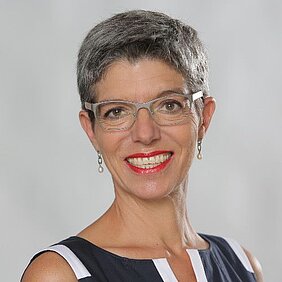
Florian Wegmann, DANEO Partners AG

Wegmann: While US direct lending and European private debt fall under the same umbrella term, they are structurally two different markets. Many investors are only now truly recognizing this. The US market is deeper, more mature, and more standardized. But that is precisely its problem today: competition has increased massively, spreads have compressed, covenants have been weakened, and leverage levels have risen. A large portion of the capital is flowing into large, sponsor-driven transactions (i.e., companies held by private equity funds) with aggressive EBITDA adjustments and increasing payment-in-kind structures—mechanisms that can mask economic weakness on the part of the borrower. If default rates are adjusted for these instruments, the so-called “shadow default rate” in the U.S. market now stands at around 5–6%—significantly higher than the officially reported figures and a classic sign of late-cycle credit conditions.
Europe is more fragmented, less efficient—and precisely for that reason, in our view, more attractive today. Banks still dominate a large portion of corporate financing but are increasingly pulling back due to regulation—Basel IV is accelerating this trend. In Switzerland, another structural factor comes into play: with the departure of Credit Suisse, a major lender in the middle market segment has disappeared. Companies and intermediaries in the market are feeling this directly, creating room for specialized private credit providers, particularly in the lower mid-market segment. European transactions typically feature more conservative leverage levels, stronger covenants, and more attractive risk-adjusted spreads—and for euro-denominated investors, the currency hedging issue that often neutralizes a supposed U.S. yield advantage is eliminated. This is precisely where we find opportunities that we can negotiate directly with owners and entrepreneurs and structure on a tailor-made basis—usually senior-secured, with strong covenants and attractive pricing, away from the crowd in the U.S.-dominated direct lending market.
Almer: What I would add in discussions with institutional investors: Even in “ ” Europe, one must differentiate. In our view, large (private equity) sponsor-driven deals in the upper mid-market are increasingly showing the same trends as in the U.S. Selection and a focus on the right segment are crucial. At Daneo Partners, we have been active exclusively in the European, DACH-focused SME sector since 2018—in the financing segment between €10 million and €75 million, where large Anglo-Saxon platforms cannot scale efficiently and local banks are too small or too heavily regulated.

Hill: What role should private debt generally play in institutional investors’ asset allocation?

Mario Almer, DANEO Partners AG

Almer: In Europe, too, private debt has evolved from a niche strategy into an established asset class. In Germany in particular, private debt is now viewed by many institutional investors as a core component of a well-diversified portfolio. Senior secured direct loans combine low volatility with returns that can compete with equity-like returns. For pension funds and retirement plans, what public credit structurally cannot provide is also crucial: a direct contractual relationship with the borrower, active monitoring, and the ability to intervene early and exert influence when a situation changes. This offers a meaningful complement to existing public credit allocations. Allocation should be strategic—with a clear focus on the quality of the manager and the structures. We are also observing growing interest among European institutional investors in European managers, with the aim of shifting exposure from the U.S. market to local markets. This reinforces our conviction that we are well-positioned with our strategy.

Hill: As a Swiss fund boutique, you engage with institutional investors across the DACH region. What topics are currently at the forefront?
Almer: Discussions with institutional investors are currently heavily focused on risks rather than returns. Three topics clearly dominate. The critical coverage surrounding private debt in the U.S. is currently the dominant theme: Investors either have substantial U.S. exposure themselves or are reading the press, noticing the warning signs, and specifically asking how we differentiate ourselves from these developments—keywords: covenant-lite, high leverage, payment-in-kind.
Second, the macroeconomic and geopolitical environment: How resilient is the portfolio in the event of a further economic downturn? What happens in the event of a workout? How quickly can we react, and what protection do the structures offer?
Third, the issue of valuation and leverage: Many investors are concerned about exposure to heavily overvalued, highly leveraged companies—often in large sponsor-led deals (e.g., U.S. sponsored SaaS firms). The question of whether and how one invests in such deals, and how one views the issue, is being assessed with increasing scrutiny.Wegmann: For German investors in particular, there is another issue: In recent years, many have invested in Germany under the “private credit” label—specifically in real estate-backed financing such as mezzanine and whole loans—and have had painful experiences. This has partially eroded confidence in the asset class and raises legitimate questions regarding scope and structural quality. We are happy to explain our corporate credit strategy: medium-sized companies in the DACH region, senior-secured, without excessive leverage, and with direct access to management.

Hill: You are currently deepening your dialogue with investors in Germany. Are there differences in how private debt is viewed between the German and Swiss financial centers?
Almer: Yes, absolutely. In Germany, the strategic allocation of institutional investors to private credit is already significantly more advanced than in Switzerland. German pension funds and retirement plans integrated the asset class into their portfolios earlier and more broadly. According to the latest Investor Survey by the German Association for Alternative Investments (BAI), the average strategic allocation to private debt is already at 3.3%. In Switzerland, penetration is still lower—but the topic has clearly gained momentum in recent years. In terms of substance, the issues are largely the same: both markets prioritize security, transparency, and track record. It is also notable that pension funds—in both Germany and Switzerland—are showing increasing interest in directly supporting mid-sized companies in their domestic markets. In Switzerland, for example, the investment guidelines for pension funds were expanded as of January 1, 2022. Since then, these funds have been permitted to classify “unlisted Swiss investments” as a separate strategic asset class. Lending to debtors (private debt) and investments in the form of equity stakes (private equity) are both permitted.

Hill: Where do you currently see the greatest opportunities and challenges in the private debt market?

Markus Hill, FINANZPLATZ FRANKFURT AM MAIN


Wegmann: We currently see particularly attractive opportunities in the European lower mid-market segment, a sector that is structurally underserved by debt capital. While banks are increasingly pulling back, large international platforms and managers often cannot scale efficiently in this segment. At the same time, a large portion of capital has flowed into large-volume, sponsor-driven transactions in recent years. This has led to intense competition, rising leverage levels, and an erosion of credit standards (and margins)—particularly in the U.S. market. Based on our observations, Europe is currently clearly favored by institutional investors: Fundraising for European private credit funds reached a record high in 2025, and the European mid-market is considered a “lender’s market” with better structures and stronger covenants. However, we are also observing increasing deployment pressure here: Large funds with significant “dry powder” are pushing into smaller segments, which is intensifying competition even in the “core” mid-market and making selectivity in underwriting all the more important. Against this backdrop, we see a clear opportunity in less competitive transactions with solid structures, attractive pricing, and greater influence on loan structuring.
Almer: We see the greatest challenge as the growing uncertainty—both geopolitically and within the asset class itself. Should tensions in the U.S.-dominated segment continue to escalate, distortions could arise that generally undermine investor confidence in private debt and make raising capital more difficult. However, we see ourselves as well-positioned—even in a more challenging environment: as a locally rooted DACH manager with proprietary deal flow, a focus on the lower-mid-market, and consistently well-secured structures.

Hill: Thank you very much for the interview.

Dialogue & Information:

FINANZPLATZ FRANKFURT AM MAIN on LINKEDIN – CHANNEL

FINANZPLATZ FRANKFURT AM MAIN on LINKEDIN – GROUP

FUND BOUTIQUES on LINKEDIN – CHANNEL

FINANZPLATZ-FRANKFURT-MAIN.DE, DACHLI Region & FONDSBOUTIQUEN.DE (2026) – Topics, Interests, Dialogue (Selection & “Snapshots”)

February 25, 2026, Frankfurt – “Frankfurt am Main Financial Center Meets Wealth Management”

(Markus Hill – Moderators: Christian Neuhaus – FINVIA, Sven Karkossa – Capitell Vermögens-Management AG, Noel Zeh – Wunderland Capital)

February 26, 2026, Frankfurt – “Forum for Digital Assets (FDV)”

Editorial Team – Special Feature “Frankfurt am Main Financial Center Meets Wealth Management & Digital Assets”

(Interviews / Guest Contributions, “Support” & MORE: info: markus-hill.com)

March 17, 2026, Frankfurt – Private Markets Excellence Forum – “Private Markets, Family Offices & Foundations – Due Diligence & Outlook 2026”

(Markus Hill – Fireside Chat: J. Paulo Dos Santos – Managing Director, VIRATIO GmbH)

Interview with Christian Hommens SMART IMPACT INVESTING & PRIVATE MARKETS

Spring 2026: Investor Study “Preferences of Institutional Investors in Real Estate & Alternative Investments”

(Markus Hill – Moderator, Podcast: Sebastian Thürmer, “artis & x” – Example 2025)

April 16, 2026 – “köln let’s talk” – Bettina Timmler – Real Estate & Dialogue

(Media partnership)

May 12, 2026, Frankfurt: “Value Investing & Commodities & MORE”

(Markus Hill – Moderator & Short Introduction “Fund Boutiques & the U.S. Formula” – Alex J. Rauschenstein & Urs Marti, SIA FUNDS AG – FINANCIAL CENTER SWITZERLAND)

June 17, 2026, Zurich: Insights – “Family Offices & Fund Boutiques” – The Mountain Talks Summit – FUNDPLAT

(Presentation – Markus Hill)

November 10, 2026, Frankfurt: “Frankfurt am Main Financial Center Meets Liechtenstein Financial Center”

(Markus Hill – Moderator – LAFV Liechtenstein Investment Fund Association: Panel & Presentations)

Input, ideas, and suggestions on the above topics are welcome:

info@markus-hill.com / +49 (0) 163 4616 179

Photo: Pixabay
SOURCE: IPE D.A.CH

Finanzplatz Frankfurt & Finanzplatz Schweiz: „US Direct Lending und europäisches Private Debt laufen zwar unter dem gleichen Begriff – sind aber strukturell zwei verschiedene Märkte“ (Interview –  Mario Almer & Florian Wegmann, DANEO Partners AG)

Private Debt ist in der institutionellen Kapitalanlage längst kein Randthema mehr. Gerade im aktuellen Marktumfeld wird jedoch genauer hingeschaut: Welche Segmente bieten noch attraktive risikoadjustierte Renditen? Wo entstehen Spätzyklus-Signale? Und wie unterscheiden sich US Direct Lending und europäische Corporate-Credit-Strategien in Struktur, Wettbewerb, Covenants und Nähe zum Kreditnehmer? Markus Hill sprach für FINANZPLATZ FRANKFURT mit Mario Almer und Florian Wegmann, DANEO Partners AG, über die zunehmende Differenzierung innerhalb der Anlageklasse, über Chancen im europäischen und DACH-fokussierten Mittelstand sowie über die Fragen, die institutionelle Investoren in Deutschland und der Schweiz derzeit besonders beschäftigen. Im Mittelpunkt stehen dabei nicht Marketing-Schlagworte, sondern Kreditqualität, Selektion, Besicherung, Monitoring und die Frage, wo Private Debt im Portfolio langfristig sinnvoll eingesetzt werden kann.

Hill: Gegenwärtig wird in der Fachpresse häufig das Thema „US Direct Lending versus Private Debt in Europa“ kritisch diskutiert. Was gibt es hier zu beachten, was sind die wesentlichen Unterschiede bei dieser Betrachtung aus Ihrer Perspektive?
Wegmann: US Direct Lending und europäisches Private Debt laufen zwar unter dem gleichen Begriff – sind aber strukturell zwei verschiedene Märkte. Das wird von vielen Investoren aktuell erst richtig wahrgenommen. Der US-Markt ist tiefer, reifer und standardisierter. Genau das ist heute aber auch sein Problem: Der Wettbewerb ist massiv gestiegen, Spreads haben sich komprimiert, Covenants wurden aufgeweicht und Leverage-Niveaus sind gestiegen. Ein Großteil des Kapitals fließt in große, sponsor-getriebene Transaktionen (also von Private-Equity-Fonds gehaltene Firmen) mit aggressiven EBITDA-Adjustments und zunehmenden Payment-in-Kind-Strukturen – Mechanismen, die wirtschaftliche Schwäche beim Kreditnehmer verschleiern können. Bereinigt man die Ausfallraten um diese Instrumente, liegt die sogenannte ‘Shadow Default Rate’ im US-Markt mittlerweile bei rund 5–6% – deutlich höher als die offiziell kommunizierten Zahlen und ein klassisches Zeichen später Kreditzyklen.
Europa ist fragmentierter, weniger effizient – und genau deshalb aus unserer Sicht heute attraktiver. Banken dominieren noch immer einen Großteil der Unternehmensfinanzierung, ziehen sich aber regulierungsbedingt zunehmend zurück – Basel IV beschleunigt diesen Trend. In der Schweiz kommt ein weiterer struktureller Faktor hinzu: Mit dem Wegfall der Credit Suisse ist ein bedeutender Kreditgeber im mittleren Marktsegment verschwunden. Das spüren Unternehmen und Intermediäre im Markt direkt und schafft Raum für spezialisierte Private-Credit-Anbieter, insbesondere im Lower Mid Market Bereich. Europäische Transaktionen weisen typischerweise konservativere Leverage-Niveaus, stärkere Covenants und attraktivere risikoadjustierte Spreads auf – und für Euro-Investoren entfällt das Währungsabsicherungsproblem, das einen vermeintlichen US-Renditevorteil häufig neutralisiert. Genau hier finden wir Situationen, die wir direkt mit den Eigentümern und Unternehmern aushandeln und maßgeschneidert strukturieren können – meist erstrangig besichert, mit starken Covenants und attraktivem Pricing, abseits des Gedränges im US-dominierten Direct-Lending-Markt.
Almer: Was ich in Gesprächen mit institutionellen Investoren ergänzen würde: Auch in Europa muss man differenzieren. Große (Private-Equity-)Sponsor-getriebene Deals im Upper Mid Market zeigen nach unserer Einschätzung zunehmend dieselben Tendenzen wie in den USA. Entscheidend sind Selektion und der Fokus auf das richtige Segment. Wir bei Daneo Partners sind seit 2018 ausschließlich im europäischen, DACH-fokussierten Mittelstand aktiv – im Finanzierungssegment zwischen 10-75 Mio. Euro, wo große angelsächsische Plattformen nicht effizient skalieren können und lokale Banken zu klein oder zu reguliert sind.

Florian Wegmann, DANEO Partners AG

Hill: Welche Rolle sollte Private Debt bei der Allokation generell bei institutionellen Investoren einnehmen?
Almer: Private Debt hat sich auch in Europa von einer Nischenstrategie zu einer etablierten Anlageklasse entwickelt. Insbesondere in Deutschland wird Private Debt mittlerweile bei vielen institutionellen Investoren als Kernbaustein in einem gut diversifizierten Portfolio betrachtet. Senior besicherte Direktkredite kombinieren dabei geringe Volatilität mit Renditen, die mit eigenkapitalähnlichen Erträgen konkurrieren können. Für Pensionskassen und Vorsorgewerke ist zudem entscheidend, was Public Credit strukturell nicht leisten kann: direkte Vertragsbeziehung zum Kreditnehmer, aktives Monitoring und die Möglichkeit, frühzeitig zu intervenieren und Einfluss zu nehmen, wenn sich eine Situation verändert. Dies bietet eine sinnvolle Ergänzung zu bestehenden Public-Credit-Allokationen. Die Allokation sollte strategisch erfolgen – mit klarem Fokus auf Qualität des Managers und der Strukturen. Wir beobachten zudem ein steigendes Interesse europäischer institutioneller Investoren an europäischen Managern, mit dem Ziel, Exposure aus dem US-Markt in die hiesigen Märkte umzuschichten. Das bestätigt uns in der Überzeugung, dass wir mit unserer Strategie richtig aufgestellt sind.

Hill: Als Schweizer Fondsboutique stehen Sie im Dialog mit institutionellen Investoren in der gesamten DACH-Region. Welche Themen stehen hier im Vordergrund?
Almer: Die Gespräche mit institutionellen Investoren drehen sich momentan stark um Risiken und weniger um Rendite. Drei Themen dominieren klar. Dominant ist aktuell die kritische Berichterstattung rund um Private Debt in den USA: Investoren haben selber substantiellen USA-Exposure oder lesen die Presse, nehmen die Warnsignale wahr und fragen gezielt nach, wie wir uns von diesen Entwicklungen abgrenzen – Stichworte Covenant-lite, hohe Leverage, Payment-in-Kind.
Zweitens das makroökonomische und geopolitische Umfeld: Wie resilient ist das Portfolio bei einer weiteren konjunkturellen Eintrübung? Was passiert bei einem Workout? Wie schnell kann man reagieren, und welchen Schutz bieten die Strukturen?
Drittens das Thema Bewertung und Leverage: Viele Investoren machen sich Sorgen um Exposure in stark überbezahlten, hochverschuldeten Unternehmen – oft in großen Sponsor-Deals (Thema US Sponsored SaaS Firmen). Die Frage, ob und wie man dort investiert ist, und wie man das Thema sieht, wird zunehmend kritisch beurteilt.

Mario Almer, DANEO Partners AG


Wegmann: Speziell bei deutschen Investoren kommt ein weiteres Thema hinzu: Viele haben in den vergangenen Jahren unter dem Label „Private Credit“ insbesondere in immobilienbesicherte Finanzierungen – Mezzanine, Whole Loans – in Deutschland investiert und dabei schmerzhafte Erfahrungen gemacht. Das hat das Vertrauen in die Anlageklasse teilweise belastet und führt zu berechtigten Fragen rund um Abgrenzung und Strukturqualität. Wir erklären dann gerne unsere Corporate Credit Strategie: mittelständische Unternehmen in der DACH-Region, erstrangig besichert, ohne exzessiven Leverage und mit direktem Zugang zum Management.

Hill: Sie vertiefen aktuell den Dialog mit Investoren in Deutschland. Gibt es hier Unterschiede bei der Betrachtung von Private Debt, Finanzplatz Deutschland versus Finanzplatz Schweiz?
Almer: Ja, durchaus. In Deutschland ist die strategische Allokation institutioneller Investoren in Private Credit bereits deutlich weiter fortgeschritten, als in der Schweiz. Deutsche Pensionskassen und Versorgungswerke haben die Anlageklasse früher und breiter in ihre Portfolios integriert. Laut dem aktuellen Investor Survey des Bundesverbands Alternative Investments (BAI) liegt die durchschnittliche strategische Allokation in Private Debt bereits bei 3,3%. In der Schweiz ist die Durchdringung noch geringer – das Thema gewann aber die letzten Jahre klar an Dynamik. Inhaltlich unterscheiden sich die Fragen kaum: Beide Märkte interessieren sich für Sicherheit, Transparenz und Track Record. Auffällig ist zudem, dass Pensionskassen – sowohl in Deutschland als auch in der Schweiz – zunehmend Interesse zeigen, mittelständische Unternehmen im heimischen Markt direkt zu unterstützen. So wurde in der Schweiz per 1. Januar 2022 die Anlagerichtlinien für Vorsorgeeinrichtungen erweitert. Seither dürfen diese „nichtkotierte schweizerische Anlagen“ als eigene strategische Anlageklasse führen. Zulässig ist die Kapitalvergabe gegenüber Schuldnern (Private Debt) und im Sinne von Beteiligungen (Private Equity).

Markus Hill, Finanzplatz Frankfurt am Main

Hill: Wo sehen Sie gegenwärtig die größten Chancen und Herausforderungen im Private Debt-Markt?
Wegmann: Wir sehen derzeit besonders attraktive Chancen im europäischen Lower Mid Market Bereich, einem strukturell mit Fremdkapital unterversorgten Segment. Während sich Banken zunehmend zurückziehen, können große internationale Plattformen und Manager in diesem Bereich häufig nicht effizient skalieren. Gleichzeitig ist in den vergangenen Jahren ein großer Teil des Kapitals in großvolumige, sponsorgetriebene Transaktionen geflossen. Dies hat zu intensivem Wettbewerb, steigenden Leverage-Niveaus und einer Erosion der Kreditstandards (und Margen) geführt – insbesondere im US-Markt. Europa wird aktuell nach unserer Beobachtung von institutionellen Investoren klar bevorzugt: Das Fundraising für europäische Private-Credit-Fonds erreichte 2025 einen Rekordwert und der europäische Mid-Market gilt als „Lender’s Market” mit besseren Strukturen und stärkeren Covenants. Allerdings beobachten wir auch hier einen zunehmenden Deployment-Druck: Große Fonds mit erheblichem „Dry Powder” drängen in kleinere Segmente, was den Wettbewerb auch im „Core“ Mid-Market erhöht und die Selektivität beim Underwriting umso wichtiger macht. Vor diesem Hintergrund sehen wir eine klare Opportunität in weniger kompetitiven Transaktionen mit solider Struktur, attraktivem Pricing und stärkerem Einfluss auf die Kreditgestaltung.
Almer: Als größte Herausforderung sehen wir die zunehmende Verunsicherung – geopolitisch, aber auch innerhalb der Anlageklasse selbst. Sollten sich die Spannungen im US-dominierten Segment weiter zuspitzen, könnten Verwerfungen entstehen, die das Vertrauen der Investoren in Private Debt generell belasten und die Kapitalbeschaffung erschweren. Wir sehen uns jedoch gut positioniert – auch in einem schwierigeren Umfeld: Als lokal verwurzelter DACH-Manager mit proprietärem Dealflow, Fokus auf den Lower-Mid-Market und konsequent stark besicherten Strukturen.

Hill: Vielen Dank für das Gespräch.

Dialog & Information:

FINANZPLATZ FRANKFURT AM MAIN auf LINKEDIN – KANAL

FINANZPLATZ FRANKFURT AM MAIN auf LINKEDIN – GRUPPE

FONDSBOUTIQUEN auf LINKEDIN – KANAL

FINANZPLATZ-FRANKFURT-MAIN.DE, DACHLI-Region & FONDSBOUTIQUEN.DE (2026) – Themen, Interessen, Dialog (Auswahl & „Snapshots“)

25.2.2026, Frankfurt – „Finanzplatz Frankfurt am Main meets Wealthmanagement“

(Markus Hill – Moderation: Christian Neuhaus – FINVIA, Sven Karkossa – Capitell Vermögens-Management AG, Noel Zeh – Wunderland Capital)

26.2.2026, Frankfurt – „Forum für Digitale Vermögenswerte (FDV)“

Redaktion – Themenspecial „Finanzplatz Frankfurt am Main meets Wealthmanagement & Digital Assets“

(Interviews / Gastbeiträge, “Support” & MORE: info: markus-hill.com)

17.3.2026, Frankfurt – Private Markets Excellence Forum – „Private Markets, Family Offices & Stiftungen – Due Diligence & Ausblick 2026”

(Markus Hill – Fireside Chat: J. Paulo Dos Santos – Geschäftsführer, VIRATIO GmbH)

Interview mit Christian Hommens  SMART IMPACT INVESTING & PRIVATE MARKETS

Frühjahr 2026Investorenstudie „Präferenzen institutioneller Investoren bei Immobilien & Alternative Investments“

(Markus Hill – Moderation, Podcast: Sebastian Thürmer, “artis & x” – Beispiel 2025)

16.4.2026 – „köln let’s talk“ – Bettina Timmler – Immobilien & Dialog

(Medienpartnerschaft)

12.5.2026, Frankfurt: „Value Investing & Rohstoffe & MORE“

(Markus Hill – Moderation & Kurzintro „Fondsboutiquen & USA-Formel“ – Alex J. Rauschenstein & Urs Marti, SIA FUNDS AG – FINANZPLATZ SCHWEIZ)

17.6.2026, Zürich: Insights – “Family Offices & Fondsboutiquen” – The Mountain Talks Summit – FUNDPLAT

(Vortrag – Markus Hill)

10.11.2026, Frankfurt: „Finanzplatz Frankfurt am Main meets Finanzplatz Liechtenstein“

(Markus Hill – Moderation – LAFV Liechtensteinischer Anlagefondsverband: Panel & Vorträge)

Input, Ideen & Anregungen zu den oben genannten Themen sind willkommen:

info@markus-hill.com / +49 (0) 163 4616 179

Foto: Pixabay

QUELLE: IPE D.A.CH

FINANZPLATZ FRANKFURT & IDEEN: „Finanzplatz Frankfurt am Main meets Wealth Management“ & „Forum für digitale Vermögenswerte“ – Veranstaltung (SNAPSHOT – Markus Hill)

Input, Ideen & Anregungen: Welche Themen könnten auf den beiden Panel-Diskussionen zusätzlich angesprochen werden?

Frankfurt stellt ein interessantes Ökosystem für Family Offices, Vermögensverwaltungen, Startups und Fondsboutiquen im liquiden und nicht-liquiden Bereich da (Alternative Investments). FINANZPLATZ-FRANKFURT-MAIN unterstützt auch in diesem Jahr wieder das „Forum für digitale Vermögenswerte“ (FDV – Manuel Müller & Samir Zakaria) im Bereich Kommunikation und in der fachlichen Begleitung von zwei Panel-Formaten.

„Finanzplatz Frankfurt am Main meets Wealth Management“ (25.2.2026)

Auch in diesem Jahr gibt es wieder ein Event am Vorabend des „Forum für digitale Vermögenswerte“. Im letzten Jahr hatten wir uns mit dem Thema „Family Offices, Asset Allocation & Financial Education“ beschäftigt. Wir bedanken uns an dieser Stelle nochmals ausdrücklich bei den damaligen Panelisten für den interessanten Gedankenaustausch in Frankfurt: Dr. Henning Schöer (FIDUBONUM), Peter Preller (HQ Trust) und Reiner Konrad (Focam AG).

Am 25.Februar wollen wir diesmal etwas stärker mit dem Themenbereich „Family Offices, Vermögensverwaltung, Next Gen sowie Startups & Venture Capital – Ökosystem Hessen & Europa“ beschäftigen. Warum ist dieses Thema so interessant und schlägt auch in andere Gebiete interessante Brücken? Viele Family Offices und Vermögensverwalter (konzerngebunden / unabhängig – „Boutiquen“) beschäftigen sich bei der Betreuung vermögender Kunden intensiv mit dem Thema NexGen (Next Generation, Nachfolge, Digital Affluents & MORE). Diese junge Generation spricht in der Regel eine völlig andere Sprache als die traditionelle Klientel im Wealth Management: „Gesetzt, senior, gealtert und nicht unbedingt digital-affin“ (Zitat eines Family Officers aus Frankfurt, der an dieser Stelle nicht namentlich genannt werden wollte). In den Fokus bei der Betreuung größerer Vermögen geraten hier zunehmend auch Kunden im Bereich Nachfolge „TRADITIONELL“ oder auch aus dem Segment „SELFMADE“.

Welche Themen könnten angesprochen werden an diesem Abend? Einige Dinge wurden oben schon eingangs erwähnt. Natürlich werden Christian Neuhaus (Finvia) und Sven Karkossa (Capitell AG) aus der Sicht des Wealth Management berichten. Interessant ist, dass natürlich auch im Bereich der Family Offices (SFO & MFO) mittlerweile ein Generationswechsel eintritt. Auch diese Häuser stellen sich neu auf, ebenso wie es mittlerweile viele unabhängige Vermögensverwalter gibt, die um den jungen Nachwuchs werben. Next Gen, Startups, Venture Capital & Ökosysteme – hier wird Noel Zeh (Wunderland Capital) als VC-Dachfondsmanager mit „Startup-Seeding“ einer hessischen Volksbank zusätzliche Impulse im Gespräch geben: Wie verkauft man ein Startup? Welche Erwartungen haben junge Unternehmer mit Technologie-Affinität an die Finanzindustrie? Was ist bei der Due Diligence von Venture Capital Fonds zu beachten? Warum sollte Deutschland sich der eigenen Stärken im Bereich Technologie & Investments bewusst werden? Wer sollte mit wem in welchem Ökosystem sprechen? Was verbindet Deutschland im Zusammenhang mit Seeding von Technologie mit Europa, im Gegensatz zu den USA? etc.

Die Diskussion möchte zum Nachdenken anregen, im Vorfeld entstehen oft die interessantesten Gedanken: Wo steht die Vermögensverwaltung? Welche Investments sind interessant in den nächsten Jahren? Was bringt die Nex Gen ein für den Standort Frankfurt, Hessen und Europa? Wer müsste eigentlich mit wem sprechen, nicht nur am Finanzplatz Frankfurt? Input, Ideen & Anregungen sind immer willkommen: info@markus-hill.com / +49 (0) 1634616 179

Manuel Müller (FDV) & Markus Hill (Finanzplatz Frankfurt)

Information zur Veranstaltung „Forum für digitale Vermögenswerte“ (FDV)

PS: Aus der langjährigen Zusammenarbeit mit einem Schweizer Asset Manager im Bereich „Value Investing & Rohstoffe“ wissen wir, dass das Thema PROZYLKLISCHES & ANTIZYLKLISCHES INVESTIEREN immer zu spannenden Gesprächen führt – wir freuen uns auf hier auf ein spannendes Panel am 26.2.2026. Auch dieses Thema wird nochmals vertieft erörtert. Vielleicht in dem Themen-Special „FINANZPLATZ FRANKFURT meets WEALTH MANAGEMENT & DIGITAL ASSETS“. Natürlich sind auch hier Input, Ideen & Anregungen immer willkommen.Es könnte ja sein, dass sich auch zwischen beiden Panel-Themen fachlich durchaus Bezüge herstellen lassen.

PPS: Das Thema Family Offices schlägt oft auch Brücken in andere Bereiche. Wir freuen uns auch auf den Fireside Chat am 17. März zum Thema „Private Markets, Family Offices, Stiftungen – Due Diligence & Herausforderungen für 2026“ bei der Veranstaltung von Christian Hommens (Smart Bridges GmbH). In dem Gespräch mit J. Paulo M.dos Santos (VIRATIO) wird es auch um den Einsatz von Alternative Investments bei Stiftungen gehen, ebenso wie um die Bedeutung von Asset Manager-Selection und Anlagerichtlinien (Case Study). Auf der Veranstaltung PRIVATEMARKETS_ONE war Lukas Bennmann, ein Kollege von Noel Zeh (Wunderland Capital), am 2.2.2026 Moderator bei einem Panel, bei dem FERI, KfW, Joachim Hert Stiftung und eine Sparkasse jeweils Panelisten waren. Auch hier entstand der Eindruck, das der Bereich Venture Capital sehr viel mit Knowhow, Geduld & auch Moderation von Erwartungen gegenüber der Investorenseite erfordert.

Information zur Veranstaltung „PRIVATE MARKETS EXCELLENCE FORUM“

Dialog & Information:

FINANZPLATZ FRANKFURT AM MAIN auf LINKEDIN – KANAL

FINANZPLATZ FRANKFURT AM MAIN auf LINKEDIN – GRUPPE

FONDSBOUTIQUEN auf LINKEDIN – KANAL

FINANZPLATZ-FRANKFURT-MAIN.DE, DACHLI-Region & FONDSBOUTIQUEN.DE (2026) – Themen, Interessen, Dialog (Auswahl & „Snapshots“)

25.2.2026, Frankfurt – „Finanzplatz Frankfurt am Main meets Wealthmanagement“

(Markus Hill – Moderation: Christian Neuhaus – FINVIA, Sven Karkossa – Capitell Vermögens-Management AG, Noel Zeh – Wunderland Capital)

26.2.2026, Frankfurt – „Forum für Digitale Vermögenswerte (FDV)“

Redaktion – Themenspecial „Finanzplatz Frankfurt am Main meets Wealthmanagement & Digital Assets“

(Interviews / Gastbeiträge, “Support” & MORE: info: markus-hill.com)

17.3.2026, Frankfurt – Private Markets Excellence Forum – „Private Markets, Family Offices & Stiftungen – Due Diligence & Ausblick 2026”

(Markus Hill – Fireside Chat: J. Paulo Dos Santos – Geschäftsführer, VIRATIO GmbH)

Interview mit Christian Hommens  SMART IMPACT INVESTING & PRIVATE MARKETS

Frühjahr 2026Investorenstudie „Präferenzen institutioneller Investoren bei Immobilien & Alternative Investments“

(Markus Hill – Moderation, Podcast: Sebastian Thürmer, “artis & x” – Beispiel 2025)

16.4.2026 – „köln let’s talk“ – Bettina Timmler – Immobilien & Dialog

(Medienpartnerschaft)

12.5.2026, Frankfurt: „Value Investing & Rohstoffe & MORE“

(Markus Hill – Moderation & Kurzintro „Fondsboutiquen & USA-Formel“ – Alex J. Rauschenstein & Urs Marti, SIA FUNDS AG – FINANZPLATZ SCHWEIZ)

17.6.2026, Zürich: Insights – “Family Offices & Fondsboutiquen” – The Mountain Talks Summit – FUNDPLAT

(Vortrag – Markus Hill)

10.11.2026, Frankfurt: „Finanzplatz Frankfurt am Main meets Finanzplatz Liechtenstein“

(Markus Hill – Moderation – LAFV Liechtensteinischer Anlagefondsverband: Panel & Vorträge)

Input, Ideen & Anregungen zu den oben genannten Themen sind willkommen:

info@markus-hill.com / +49 (0) 163 4616 179

FOTO: Marcus Kieser

FINANZPLATZ FRANKFURT AM MAIN: „Private Debt hingegen umfasst kurz- bis langfristige Fremdkapitalfinanzierungen mit der Möglichkeit, überdurchschnittliche Renditen zu erzielen“ (INTERVIEW – SEBASTIAN THÜRMER, Artis Institutional Capital)

Private Debt, Real Assets, Asset Allocation, Regulierung – im Gespräch mit Markus Hill, FINANZPLATZ FRANKFURT, geht Sebastian Thürmer, geschäftsführender Gesellschafter der artis Institutional Capital Management GmbH, auf die Marktverschiebungen, Wachstumssegmente und die Frage, wie sich institutionelle Anleger strategisch zwischen Private Debt, Infrastruktur und klassischen Anleiheinvestments positionieren sollten, ein.

Hill: Private Debt steht in der Wahrnehmung vieler Marktteilnehmer eher im Schatten der boomenden Assetklasse Infrastruktur Equity. Sehen Sie Chancen für eine Trendumkehr?
Thürmer: Beide Assetklassen erfreuen sich großer Beliebtheit, sind jedoch grundsätzlich nicht miteinander vergleichbar. Bei Infrastruktur Equity investieren institutionelle Anleger Eigenkapital mit langfristigem strategischem Fokus. Themen wie Nachhaltigkeit, Energiewende, öffentlicher Verkehr oder bezahlbarer Wohnraum stehen im Vordergrund. Private Debt hingegen umfasst kurz- bis langfristige Fremdkapitalfinanzierungen mit der Möglichkeit, überdurchschnittliche Renditen zu erzielen. Ein wesentlicher Treiber sind regulatorische Veränderungen wie Basel III und Basel IV. Diese erhöhen den Druck auf Banken, höhere Eigenkapitalquoten vorzuhalten, was Margen reduziert und die klassische Kreditvergabe erschwert. Die Folge ist eine sinkende Kreditverfügbarkeit durch Banken und Sparkassen – und genau hier eröffnen sich Chancen für alternative Kreditgeber, wettbewerbsfähige Konditionen anzubieten. Für institutionelle Investoren entstehen dadurch attraktive Anlagemöglichkeiten in der Fremdfinanzierung von Immobilien, Unternehmen und Infrastrukturprojekten.

Hill: Inwieweit sehen Sie die Gefahr, dass Banken sich aus dem Finanzierungsbereich teilweise oder sogar vollständig zurückziehen?
Thürmer: Banken und Sparkassen werden insbesondere in Deutschland auch künftig zentrale Ansprechpartner für Kreditfinanzierungen bleiben. Allerdings ist zu erwarten, dass sich Kreditinstitute stärker auf die Bindung von Bestandskunden konzentrieren – häufig zulasten des Neukundengeschäfts. Daraus ergibt sich eine klare Chance für Private-Debt-Fonds. Der Hausbankgedanke ist in Deutschland traditionell stärker ausgeprägt als etwa in den USA, Großbritannien oder den Benelux-Ländern. Dort finanzieren sich Unternehmen bereits heute zu einem deutlich höheren Anteil über Private-Debt-Strukturen.

Hill: Gehen Sie daher in den kommenden Jahren weiterhin von einem starken Marktwachstum aus?
Thürmer: Ja, eindeutig. Der Vermögensverwalter BlackRock kam in einer Studie aus dem Jahr 2025 zu dem Ergebnis, dass das weltweite Volumen von Private-Debt-Investments von aktuell rund 1,4 Billionen US-Dollar auf bis zu 3,5 Billionen US-Dollar anwachsen könnte. Dieses Wachstum wird auch Deutschland und Europa erfassen, wenngleich die Märkte hier traditionell bodenständiger strukturiert sind als in den USA. Bereits heute investieren insbesondere Versicherungsunternehmen in Deutschland stark in Private Debt und planen weitere Aufstockungen. Ein wesentlicher Faktor ist die regulatorische Behandlung: Unter Solvency II ist die Eigenkapitalunterlegung bei Fremdkapital deutlich niedriger als bei Eigenkapitalinvestments. Zusätzlich eröffnet die neu geschaffene Infrastrukturquote nun auch Altersvorsorgeeinrichtungen und weitere VAG-regulierten Investoren zusätzliche Spielräume für Fremdkapitalengagements.

Hill: Wie hoch schätzen Sie die Wahrscheinlichkeit ein, dass institutionelle Investoren Mittel aus dem klassischen Anleihebereich in Private Debt umschichten, um Renditen zu optimieren?
Thürmer: Renditeoptimierung allein darf kein Maßstab sein – entscheidend ist immer das Verhältnis von Risiko und Ertrag. In den vergangenen Jahren haben sich einige Investoren, insbesondere in bestimmten Teilsegmenten, durch steigende Zinsen und rückläufige Immobilienbewertungen in schwierige Situationen manövriert. Vorstellbar sind jedoch Umschichtungen von liquiden Hochzinsanleihen mit schwacher Bonität in Private-Debt-Investments. Dadurch lässt sich die Kreditqualität verbessern, da vergleichbare Renditen im Private-Debt-Bereich häufig auch mit Investment-Grade-Strukturen erzielt werden können – nicht zuletzt aufgrund der Illiquiditätsprämie.

Sebastian Thürmer, Artis Institutional Capital & Markus Hill, Finanzplatz Frankfurt

Hill: Wie positionieren sich aus Ihrer Sicht die Segmente Corporate Debt, Infrastructure Debt und Real Estate Debt in den kommenden Jahren?
Thürmer: Im Bereich Real-Estate-Debt sind Abschreibungen und Wertberichtigungen weitgehend verarbeitet. Die Immobilienmärkte haben sich stabilisiert und dürften perspektivisch wieder zulegen. Bei Neuinvestitionen sollte der Fokus stärker auf Wohnimmobilienfinanzierungen liegen und weniger auf gewerblichen Objekten. Corporate Debt gewinnt zunehmend an Bedeutung, insbesondere im Bereich der Mittelstandsfinanzierung. Großbanken ziehen sich hier teilweise selektiv zurück, was alternative Kreditgeber stärkt. Infrastructure Debt bleibt geprägt von der Finanzierung von Wind- und Solarparks. Gleichzeitig wird das Anlageuniversum durch neue Infrastrukturthemen weiter wachsen. Die Mehrheit der Investoren bevorzugt Senior Loans als etabliertes Finanzierungsinstrument, ergänzt durch Junior Loans zur gezielten Renditeoptimierung.

Hill: Ihre jährlich durchgeführte Studie „Präferenzen institutioneller Investoren bei Immobilien und alternativen Investments“ zeigte Anfang 2025, dass 36% der Befragten ihre Private-Debt-Allokation ausbauen wollen. Welche Tendenz erwarten Sie in der 2026er-Studie?
Thürmer: Die Studie werden wir im Februar/März 2026 zum sechsten Mal durchführen. Prognosen möchten wir bewusst vermeiden, doch das Marktumfeld erscheint weiterhin stabil. Die strukturellen Treiber – Regulierung, Finanzierungsbedarf und Nachfrage nach planbaren Erträgen – sind unverändert intakt.

Hill: Vielen Dank für das Gespräch.

Dialog & Information:

FINANZPLATZ FRANKFURT AM MAIN auf LINKEDIN – KANAL

FINANZPLATZ FRANKFURT AM MAIN auf LINKEDIN – GRUPPE

FONDSBOUTIQUEN auf LINKEDIN – KANAL

Foto: PIXABAY

Quelle: www.institutional-investment.de

FRANKFURT FINANCIAL CENTER & LIECHTENSTEIN FINANCIAL CENTER: „I am convinced that Liechtenstein will not only continue its growth trajectory over the next five to ten years, but will even accelerate it in the coming years“ (INTERVIEW – David Gamper, LAFV Liechtenstein Investment Fund Association)

Liechtenstein & Frankfurt as financial centers, fund boutiques, family offices, fund domicile, and dialogue in Germany – Markus Hill spoke to David Gamper, Managing Director of the LAFV Liechtenstein Investment Fund Association, on behalf of FINANZPLATZ FRANKFURT about topics such as Liechtenstein’s positioning and cooperation in European competition, trends in alternative investments, and regulation. In addition, given the current importance of fund regulations for family offices and asset managers, he provides a brief overview of the association’s other dialogue offerings in the German financial center in spring 2026 and in London.

Hill: What role does Liechtenstein currently play as a fund location in the European market – is it more of a niche or an up-and-coming fund center?

Gamper: I would describe Liechtenstein as an emerging niche. In Europe, there are two major fund centers, Luxembourg and Ireland, which focus primarily on large, mostly globally active asset managers. White-label funds play a subordinate role there, at least in terms of regulation and supervision. This is exactly where Liechtenstein comes in. The location focuses on optimal conditions for asset managers and fund boutiques that want to launch white-label funds, as well as on asset structuring for wealthy families, often with their own family offices. This is also reflected in the statistics: over 85% of funds domiciled in Liechtenstein are white-label funds, and the trend is rising.

David Gamper, LAFV Liechtensteinischer Anlagefondsverband

Hill: Are you currently launching many funds for family offices in Liechtenstein?

Gamper: Yes, developments in this area have been very positive in the recent past. We are seeing increasing uncertainty among wealthy individuals, triggered by geopolitical tensions, high government debt in Europe, and discussions about possible tax increases. Liechtenstein, on the other hand, has no national debt, has the lowest public spending ratio in Europe – i.e., the ratio of government expenditure to gross domestic product – and therefore no need to raise taxes. In addition, investment funds are completely tax-exempt. Political continuity and the AAA rating further strengthen confidence and make the location particularly attractive for long-term asset structures.

Hill: How is the fund location developing in the area of alternative investments?

Gamper: The alternative investments sector (investments outside stocks and bonds, such as hedge funds or infrastructure) is growing very strongly. Seven out of ten newly established funds are currently alternative investment funds (AIFs, which may include private equity, real estate, and other non-traditional assets). On the one hand, this is because funds for asset structuring (organizing investments and holdings for legal or tax purposes) are almost exclusively set up in this form. On the other hand, AIFs in Liechtenstein benefit from particularly flexible regulation. Liechtenstein has made use of the leeway deliberately provided by the EU and refrained from so-called „gold plating“ (implementing stricter rules than required by the EU), which is often seen in other fund domiciles. Another decisive factor is the Liechtenstein Financial Market Authority (the local financial regulator). Particularly in the case of complex AIF structures, it is very valuable for fund initiators to be able to enter into dialogue with the supervisory authority at an early stage. This cooperative practice is highly appreciated and has already led to the establishment of several funds.

Hill: What risks could slow down Liechtenstein as a fund location in the medium term?

Gamper: Like all fund locations, we are also dependent on geopolitical developments and their impact on the financial markets. We have only limited influence on this, but we must be prepared accordingly. Another risk lies in increasing regulation at the European level (more rules for financial firms working in the EU). Extensive reporting requirements and constant regulatory changes place a significantly greater burden on smaller fund companies, such as those typically found in Liechtenstein, than on large international providers. We clearly support sensible regulation that strengthens investor protection and transparency (making investments safer and more open). In recent years, however, the goal has been overshot in some cases. We therefore hope that the announced „Simplification Package“ (a legislative effort to reduce unnecessary rules) will bring noticeable relief again. We must also remain particularly vigilant in the areas of money laundering prevention and sanctions implementation (measures to stop illegal financial activity and enforce international restrictions). Despite very good results in recent audits (inspections by authorities), we are continuously working on further improvements, because a strong reputation is essential for a small financial center.

Hill: Do you see the shortage of skilled workers as a limiting factor?

Markus Hill, FINANZPLATZ FRANKFURT AM MAIN

Gamper: We are also affected by the general shortage of labor and skilled workers, but this cannot be considered a limiting factor. There are qualified personnel in other financial sectors in the country who are becoming increasingly aware of the fund industry, not least because of its strong growth. In addition, there is growing interest from highly qualified professionals from the nearby financial center of Zurich and from Germany. Overall, we currently see a balanced mix of demand and available talent.

Hill: Where will Liechtenstein be as a fund location in five to ten years?

Gamper: In my view, specializing in white-label funds was the right strategic move. Optimal, and in some cases even unique, conditions have been created for this target group. The growing interest from foreign fund companies also shows that we are on the right track. Following Luxembourg-based Axxion, Dirk Grosshans from Universal Investment also announced at the „Frankfurt Financial Center Meets Liechtenstein Financial Center“ event in Frankfurt on November 18, 2025, that he would be launching funds in Liechtenstein from the first quarter of 2026. Other providers will follow. I am therefore convinced that Liechtenstein will not only continue its growth course over the next five to ten years, but will even accelerate it in the coming years. There will be a lot more positive news to report.

Hill: What events are coming up soon?

Gamper: We will be attending various events in Germany. On January 28 and 29, 2026, we will once again be inviting visitors to engage in dialogue at the FONDS professionell KONGRESS in Mannheim. Interested parties can find out more about Liechtenstein as a fund location at our stand and talk to structuring experts about specific fund projects. In a presentation, a fund founder will report on his highly successful fund project and his positive experiences in Liechtenstein. On April 21 and 28, 2026, we will once again be presenting ourselves at the LAFV events in Munich and Hamburg. Fund founders will report on the unique location advantages of Liechtenstein, and the tax component of Liechtenstein funds will be highlighted. Verena Schlömer from the Liechtenstein Financial Market Authority will provide insights into the licensing and supervisory practices for funds. The next event in London will take place on June 25, 2026. The detailed program is yet to be announced, but the focus will be on the locational advantages and current developments of Liechtenstein as a fund center.

Hill: Thank you very much for talking to us.

Dialogue & Information:

FINANZPLATZ FRANKFURT AM MAIN auf LINKEDIN – KANAL

FINANZPLATZ FRANKFURT AM MAIN auf LINKEDIN – GRUPPE

FONDSBOUTIQUEN auf LINKEDIN – KANAL

Foto: PIXABAY

Quelle: www.institutional-investment.de

FINANZPLATZ FRANKFURT & FINANZPLATZ LEICHTENSTEIN: „Ich bin überzeugt, dass Liechtenstein seinen Wachstumskurs in den nächsten fünf bis zehn Jahren nicht nur fortsetzen, sondern in den kommenden Jahren sogar beschleunigen wird“ (INTERVIEW – David Gamper, LAFV Liechtensteinischer Anlagefondsverband)

Finanzplatz Liechtenstein & Frankfurt, Fondsboutiquen, Family Offices, Fondsdomizil und Dialog in Deutschland – Markus Hill sprach für FINANZPLATZ FRANKFURT mit David Gamper, Geschäftsführer LAFV Liechtensteinischer Anlagefondsverband, über Themen wie Positionierung und Kooperation von Liechtenstein im europäischen Wettbewerb, Trends bei Alternative Investments und Regulierung. Zusätzlich gibt er aufgrund der aktuellen Bedeutung von Fondsauflagen bei Family Offices und Vermögensverwaltern noch einen kurzen Überblick über die weiteren Dialogangebote des Verbands am Finanzplatz Deutschland im Frühjahr 2026 und in London.

Hill: Welche Rolle spielt der Fondsstandort Liechtenstein im europäischen Markt aktuell – eher Nische oder aufstrebender Fondszentrum?
Gamper: Ich würde Liechtenstein als eine aufstrebende Nische bezeichnen. In Europa gibt es mit Luxemburg und Irland zwei große Fondszentren, die sich vor allem auf große, meist global tätige Asset Manager konzentrieren. White-Label-Fonds spielen dort, zumindest regulatorisch und auf Ebene der Aufsicht, eine untergeordnete Rolle. Genau hier setzt Liechtenstein an. Der Standort fokussiert sich auf optimale Rahmenbedingungen für Vermögensverwalter und Fondsboutiquen, die White-Label-Fonds auflegen möchten, sowie auf die Vermögensstrukturierung für wohlhabende Familien, häufig auch mit eigenen Family Offices. Das zeigt sich auch in der Statistik: Über 85% der in Liechtenstein domizilierten Fonds sind White-Label-Fonds – mit steigender Tendenz.

David Gamper, LAFV Liechtensteinischer Anlagefondsverband

Hill: Legen Sie derzeit in Liechtenstein viele Fonds für Family Offices auf?
Gamper: Ja, die Entwicklung in diesem Bereich war in der jüngsten Vergangenheit sehr positiv. Wir beobachten eine zunehmende Verunsicherung vermögender Personen, ausgelöst durch geopolitische Spannungen, hohe Staatsverschuldung in Europa und die Diskussionen um mögliche Steuererhöhungen. Liechtenstein hingegen weist keine Staatsschulden auf, hat die niedrigste Staatsquote Europas – also das Verhältnis von Staatsausgaben zum Bruttoinlandsprodukt – und entsprechend keine Notwendigkeit, Steuern zu erhöhen. Zudem sind Investmentfonds vollständig steuerbefreit. Politische Kontinuität und das AAA-Rating stärken das Vertrauen zusätzlich und machen den Standort insbesondere für langfristige Vermögensstrukturen attraktiv.

Hill: Wie entwickelt sich der Fondsstandort im Bereich alternativer Anlagen?
Gamper: Der Bereich der alternativen Anlagen wächst sehr stark. Sieben von zehn neu gegründeten Fonds sind derzeit Alternative Investment Funds (AIF). Das liegt einerseits daran, dass Fonds zur Vermögensstrukturierung nahezu ausschließlich in dieser Form aufgelegt werden. Andererseits profitieren AIF in Liechtenstein von einer besonders flexiblen Regulierung. Liechtenstein hat die von der EU bewusst vorgesehenen Spielräume genutzt und auf sogenanntes „Goldplating“ verzichtet, das man in anderen Fondsdomizilen häufig sieht. Ein weiterer entscheidender Faktor ist die Finanzmarktaufsicht Liechtenstein. Gerade bei komplexen AIF-Strukturen ist es für Fondsinitiatoren sehr wertvoll, frühzeitig in den Dialog mit der Aufsicht treten zu können. Diese kooperative Praxis wird sehr geschätzt und hat bereits zu mehreren Fondsgründungen geführt.

Markus Hill, FINANZPLATZ FRANKFURT AM MAIN

Hill: Welche Risiken könnten den Fondsstandort Liechtenstein mittelfristig bremsen?
Gamper: Wie alle Fondsplätze sind auch wir von geopolitischen Entwicklungen und deren Auswirkungen auf die Finanzmärkte abhängig. Darauf haben wir nur begrenzten Einfluss, müssen aber entsprechend vorbereitet sein. Ein weiteres Risiko liegt in der zunehmenden Regulierung auf europäischer Ebene. Umfangreiche Reportingpflichten und ständige Neuerungen in der Regulierung belasten kleinere Fondsgesellschaften, wie sie in Liechtenstein typisch sind, deutlich stärker als große internationale Anbieter. Wir stehen klar hinter sinnvoller Regulierung, die Anlegerschutz und Transparenz stärkt. In den vergangenen Jahren wurde hier jedoch teilweise über das Ziel hinausgeschossen. Wir hoffen daher, dass das angekündigte „Simplification Package“ wieder spürbare Entlastung bringt. Besonders wachsam müssen wir zudem in den Bereichen Geldwäscheprävention und Sanktionsumsetzung bleiben. Trotz sehr guter Ergebnisse bei den letzten Prüfungen arbeiten wir kontinuierlich an weiteren Verbesserungen, denn eine starke Reputation ist für einen kleinen Finanzplatz essenziell.

Hill: Sehen Sie Fachkräftemangel als limitierenden Faktor?
Gamper: Auch wir sind vom allgemeinen Arbeits- und Fachkräftemangel betroffen, von einem limitierenden Faktor kann jedoch nicht gesprochen werden. In anderen Finanzbranchen des Landes gibt es qualifiziertes Personal, das zunehmend auf die Fondsbranche aufmerksam wird, nicht zuletzt aufgrund ihres starken Wachstums. Zudem steigt das Interesse hochqualifizierter Fachkräfte aus dem nahegelegenen Finanzplatz Zürich sowie aus Deutschland. Insgesamt sehen wir derzeit eine ausgewogene Mischung aus Bedarf und verfügbaren Talenten.

Hill: Wo steht der Fondsstandort Liechtenstein in fünf bis zehn Jahren?
Gamper: Die Spezialisierung auf White-Label-Fonds war aus meiner Sicht der richtige strategische Schritt. Für diese Zielgruppe wurden optimale, teilweise sogar einzigartige Rahmenbedingungen geschaffen. Dass wir damit richtig liegen, zeigt auch das wachsende Interesse ausländischer Fondsgesellschaften. Nach der luxemburgischen Axxion hat auch Dirk Grosshans von Universal Investment an der Veranstaltung „Finanzplatz Frankfurt trifft Finanzplatz Liechtenstein“ am 18. November 2025 in Frankfurt angekündigt, ab dem ersten Quartal 2026 Fonds in Liechtenstein aufzulegen. Weitere Anbieter werden folgen. Ich bin daher überzeugt, dass Liechtenstein seinen Wachstumskurs in den nächsten fünf bis zehn Jahren nicht nur fortsetzen, sondern in den kommenden Jahren sogar beschleunigen wird. Es wird noch viel Positives zu berichten geben.

Hill: Welche Veranstaltungen stehen demnächst an?
Gamper: In Deutschland sind wir auf verschiedenen Veranstaltungen. Am 28. und 29. Januar 2026 laden wir wieder zum Dialog beim FONDS professionell KONGRESS in Mannheim ein. Interessierte können sich am Stand über den Fondsstandort informieren und mit Strukturierungsexperten über konkrete Fondsprojekte sprechen. Im Vortrag berichtet ein Fondsgründer über sein sehr erfolgreiches Fondsprojekt und seine positiven Erfahrungen in Liechtenstein. Am 21. und 28. April 2026 präsentieren wir uns wieder bei den Veranstaltungen des LAFV in München und Hamburg. Fondsgründer berichten über die einzigartigen Standortvorteile Liechtensteins und die steuerliche Komponente von liechtensteinischen Fonds wird beleuchtet. Verena Schlömer von der Finanzmarktaufsicht Liechtenstein wird Einblicke in den Zulassungs- und Aufsichtspraxis bei Fonds gewähren. In London findet die nächste Veranstaltung am 25. Juni 2026 statt. Das detaillierte Programm wird noch bekannt gegeben, im Fokus stehen jedoch die Standortvorteile und aktuellen Entwicklungen des Fondsplatzes Liechtenstein.

Hill: Vielen Dank für das Gespräch.

Dialog & Information:

FINANZPLATZ FRANKFURT AM MAIN auf LINKEDIN – KANAL

FINANZPLATZ FRANKFURT AM MAIN auf LINKEDIN – GRUPPE

FONDSBOUTIQUEN auf LINKEDIN – KANAL

Foto: PIXABAY

Quelle: www.institutional-investment.de

FINANZPLATZ FRANKFURT & FINANZPLATZ LIECHTENSTEIN: „Einer der Schwerpunkte in Frankfurt wird das Thema Vermögensstrukturierung mittels Fonds bei Family Offices und Vermögensverwaltern sein“ (INTERVIEW – David Gamper, LAFV Liechtensteinischer Anlagefondsverband)

„Einer der Schwerpunkte in Frankfurt wird das Thema Vermögensstrukturierung mittels Fonds bei Family Offices und Vermögensverwaltern sein“

Family Offices, Familienfonds, Fondsdomizil Liechtenstein und Gedankenaustausch am Finanzplatz Frankfurt am Main Markus Hill sprach für FINANZPLATZ-FRANKFURT-MAIN.DE mit David Gamper, Geschäftsführer des LAFV Liechtensteinischen Anlagefondsverbands, über aktuelle Aktivitäten und Themen des Verbands. Weitere Gesprächspunkte waren die zunehmende internationale Attraktivität des Standorts vor dem Hintergrund der Diskussion auf der diesjährigen Veranstaltung in London, Wachstum, Regulierung (UCITS, AIFM) sowie das Omnibus Simplification Package. Zusätzlich wurde der Themenkomplex „Digital Assets, Blockchain und Tokenisierung“ angesprochen. Auch in diesem Jahr wird der Verband gemeinsam mit Liechtenstein Finance beim FONDS professionell KONGRESS in Mannheim sowie in München und Hamburg den intensiven Dialog mit potenziellen Fondsinitiatoren fortsetzen.

David Gamper, LAFV Liechtensteinischer Anlagefondsverband

Hill: Wie bewerten Sie derzeit die Entwicklung des Fondsstandorts Liechtenstein im internationalen Vergleich?
Gamper: Liechtenstein hat sich in den vergangenen Jahren ausgesprochen positiv entwickelt. Das Wachstum der Assets under Management lag deutlich über dem europäischen Durchschnitt. Wir sind zwar ein kleiner Standort, aber dafür hoch spezialisiert und äußerst flexibel. Die Kombination aus EWR-Mitgliedschaft, der Fokussierung auf White/Private-Label-Fonds, einer modernen Regulierung sowie den kurzen Entscheidungswegen zwischen Marktteilnehmern und Behörden macht Liechtenstein für viele Fondsinitiatoren besonders attraktiv – insbesondere, wenn es um grenzüberschreitende Lösungen geht. Natürlich spüren auch wir die Auswirkungen der aktuellen geopolitischen Lage, insbesondere die Zollpolitik der US-Regierung, was in diesem Jahr zu einem leichten Rückgang der Assets under Management geführt hat. In der ersten Jahreshälfte war zudem die Zahl der Fondsgründungen leicht rückläufig – dieser Trend hat sich jedoch seit Mitte des Jahres umgekehrt. Im dritten Quartal konnten wir den Rückgang bereits mehr als kompensieren, und die Branche blickt mit großem Optimismus in die Zukunft.

Markus Hill, FINANZPLATZ FRANKFURT AM MAIN

Hill: Wie beurteilen Sie die regulatorischen Rahmenbedingungen für Fondsgesellschaften und Fondsinitiatoren in Liechtenstein? Gibt es geplante Änderungen, die besonders relevant sind?
Gamper: Auf EU-Ebene wurden sowohl die AIFM- als auch die UCITS-Richtlinie überarbeitet. Im Rahmen dieser europäischen Revision erfolgen insbesondere Anpassungen in den Bereichen Delegation und Reporting, zudem werden neue Regelungen zum Liquiditätsmanagement sowie zur Kreditvergabe durch AIF eingeführt. In Liechtenstein befinden wir uns derzeit mitten im Prozess der Anpassung der nationalen Fondsgesetze zur Umsetzung dieser Richtlinienänderungen. Dabei besteht ein breiter Konsens, die von der Europäischen Kommission vorgesehenen Wahlmöglichkeiten und Gestaltungsspielräume so zu nutzen, dass keine über die EU-Vorgaben hinausgehenden strengeren Regelungen geschaffen werden. Ziel ist es vielmehr, die Flexibilität für die Marktteilnehmer zu erhöhen. Vor diesem Hintergrund beurteile ich die regulatorischen Rahmenbedingungen für Fondsgesellschaften und Fondsinitiatoren in Liechtenstein als äußerst vorteilhaft.

Hill: Derzeit ist das Omnibus Simplification Package in aller Munde. Hat das auch Auswirkungen auf die Fondsbranche, spüren Sie bereits Erleichterungen?
Gamper: Bislang spüren wir noch kaum direkte Erleichterungen. Die bisher veröffentlichten Teilpakete richten sich in erster Linie an die Realwirtschaft. Wir verfolgen die weiteren Entwicklungen mit großem Interesse, denn in einzelnen Bereichen könnte es für die Finanzwirtschaft – hoffentlich nur vorübergehend – sogar herausfordernder werden. Nach aktuellem Stand müssen Finanzinstitute Nachhaltigkeitsberichte erstellen, während gleichzeitig die Datenlieferung durch Unternehmen infolge des Omnibus Simplification Package deutlich reduziert wurde. Das dürfte für die Fondsbranche zunächst zusätzlichen Aufwand und höhere Kosten bedeuten, da entstandene Datenlücken etwa durch den Einsatz von Ratings geschlossen werden müssen. Wir warten daher gespannt, wie sich die Umsetzung in der Praxis weiterentwickelt.

Hill: Inwiefern spielen Digital Assets, Blockchain und Tokenisierung in der liechtensteinischen Fondsbranche eine Rolle. Gibt es bereits konkrete Beispiele?
Gamper: Digital Assets haben in Liechtenstein beinahe Tradition – wurde doch bereits 2018 der erste Krypto-Asset-Fonds nach europäischer Regulierung hier aufgelegt. Mittlerweile gibt es mehrere Fonds in diesem Bereich, das Volumen ist jedoch weiterhin überschaubar. Besonders spannend ist derzeit die Tokenisierung von Fonds: Dabei werden Fondsanteile vollständig auf der Blockchain abgebildet und können dort kosteneffizient und transparent gehandelt werden. Erste Pilotprojekte wurden bereits erfolgreich umgesetzt. Der Markt steht zwar noch am Anfang, doch das Potenzial ist enorm.

Hill: Ich habe kürzlich mehrere Videos mit Ihnen auf der Webseite von Liechtenstein Finance gesehen. Gibt es da eine Kooperation mit den Liechtensteinischen Anlagefondsverband?
Gamper: Ja, in gewisser Weise. Wir als Liechtensteinischer Anlagefondsverband (LAFV) sind – ebenso wie die anderen Finanzplatzverbände und die Regierung des Fürstentums – Mitglied bei Liechtenstein Finance, einem privatrechtlich organisierten Verein. Ziel des Vereins ist es, das Profil des liechtensteinischen Finanzplatzes im In- und Ausland zu schärfen, indem die Stärken und Besonderheiten des Standorts gezielt kommuniziert werden. Liechtenstein bietet hervorragende Rahmenbedingungen – nicht nur für die Fondsbranche –, die in Europa noch zu wenig bekannt sind. Das möchten wir gemeinsam ändern.

Hill: Und diese Rahmenbedingungen wären?
Gamper: Eine vollständige Aufzählung würde den Rahmen dieses Interviews sprengen. Einige wesentliche Standortvorteile möchte ich dennoch hervorheben. Es gibt die EWR-Mitgliedschaft mit entsprechendem Zugang zum EU-Binnenmarkt und die regulatorische Flexibilität dank der von der EU-Kommission eingeräumten Spielräume Liechtenstein gilt als sicherer Hafen für Vermögen, verfügt über eine stabile politische und wirtschaftliche Ordnung, keine Staatsschulden und ein AAA-Rating von S&P Global Ratings. Wir besitzen effiziente Behörden und kurze Entscheidungswege, die eine rasche Time-to-Market für neue Produkte ermöglichen. Zudem verfügen wir über eine attraktives Steuersystem mit niedrigen Sätzen; auf Fondsebene entfällt die Besteuerung vollständig, auf diese Weise wird Doppelbesteuerung vermieden wird.

Hill: Sie hatten im Oktober in London eine Veranstaltung mit Podiumsdiskussion. Welche Punkte wurden da besonders diskutiert?
Gamper: Das Hauptinteresse in London galt der Vermögensstrukturierung mittels Fonds. Dieses Thema fand im Publikum große Resonanz, da Fondsstrukturen erhebliche Vorteile bieten. Die bereits erwähnten Stärken des Standorts Liechtenstein wurden von den anwesenden Fondsinitiatoren ausdrücklich bestätigt und als überzeugend empfunden. Gerade im Vereinigten Königreich sind Offshore-Lösungen nach wie vor beliebt, da sie in der Regel günstiger sind als Fondsstrukturen innerhalb der EU. Allerdings bieten sie deutlich weniger rechtliche Sicherheit – ein Aspekt, der vielen Teilnehmern nicht bewusst war.

Hill: Welche Veranstaltungen stehen noch an?
Gamper: Am 18. November 2025 findet wieder „Finanzplatz Frankfurt meets Finanzplatz Liechtenstein“ statt. Einer der Schwerpunkte in Frankfurt wird das Thema Vermögensstrukturierung mittels Fonds bei Family Offices und Vermögensverwaltern sein. Wir werden aber auch aufzeigen in welchen Fällen es besonders interessant ist, das Fondsdomizil Liechtenstein für White Label Fonds zu wählen. Der 28./29. Januar 2026 mit dem FONDS professionell KONGRESS in Mannheim findet wieder zusammen mit der Unterstützung von Liechtenstein Finance (Stand) statt. Es besteht die Möglichkeit, sich am Stand über den Fondsplatz zu informieren mit und Strukturierungsexperten über konkrete Fondsprojekte zu sprechen. Im Vortrag berichtet ein Fondsgründer über sein erfolgreiches Fondsprojekt und seine positiven Erfahrungen in Liechtenstein. Im Frühjahr finden am 21. und 28. April 2026 die Veranstaltungen des LAFV in München und Hamburg statt. Fondsgründer berichten über die einzigartigen Standortvorteile Liechtensteins und die steuerliche Komponente von Fonds wird beleuchtet. Zudem stehen wir im Austausch mit der Finanzmarktaufsicht (FMA) Liechtenstein, um hoffentlich eine Repräsentantin begrüßen zu dürfen, die Einblicke in den Zulassungsprozess und die Aufsichtspraxis bei Fonds gewährt.

Hill: Vielen Dank für das Gespräch.

INFORMATION / ANMELDUNG: „FINANZPLATZ FRANKFURT trifft FINANZPLATZ LIECHTENSTEIN“

LAFV Präsentation Frankfurt

Quelle: Institutional-Investment

Dialog & Information:

FINANZPLATZ FRANKFURT AM MAIN auf LINKEDIN – KANAL

FINANZPLATZ FRANKFURT AM MAIN auf LINKEDIN – GRUPPE

FONDSBOUTIQUEN auf LINKEDIN – KANAL

Foto: UNSPLASH