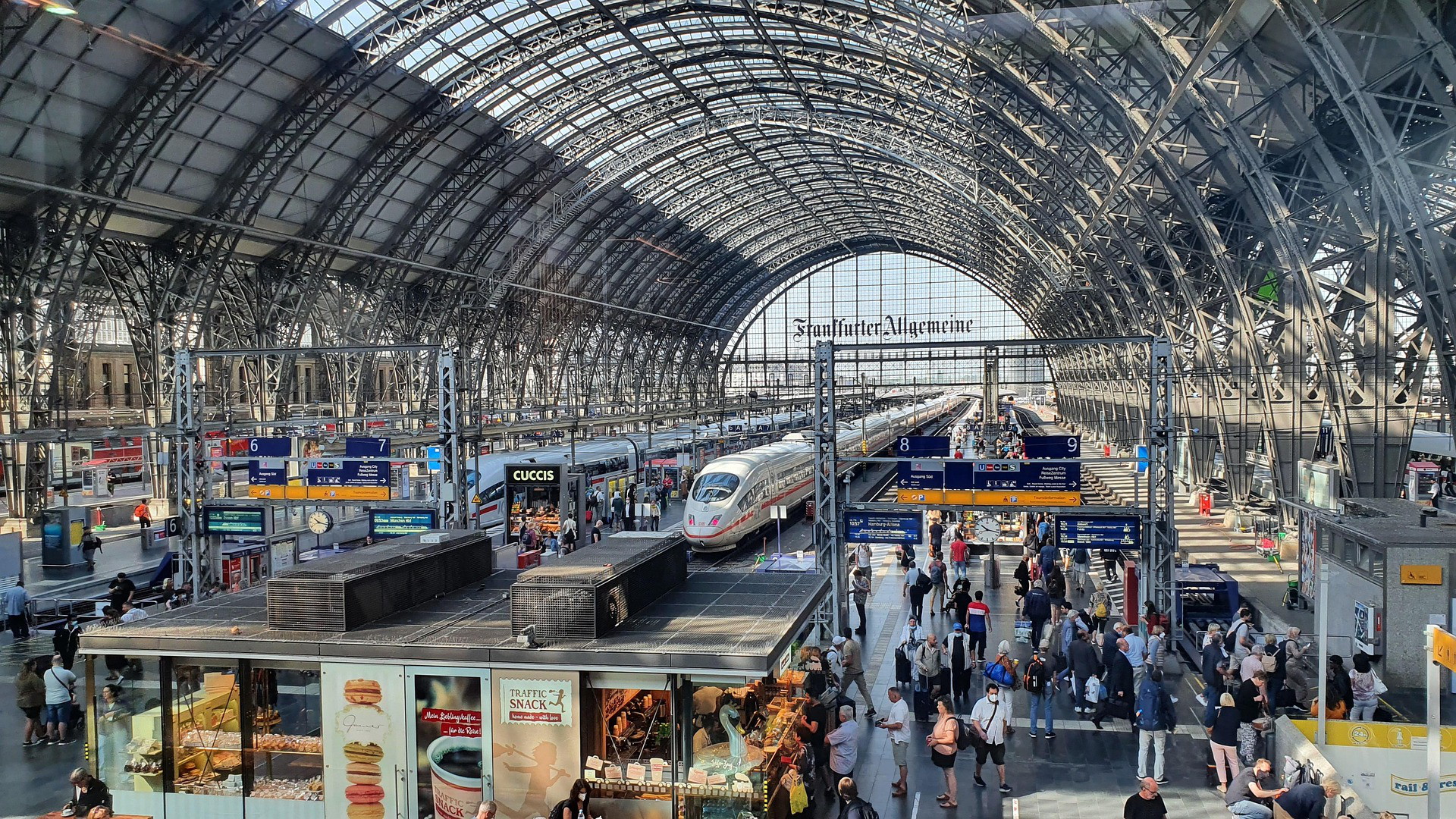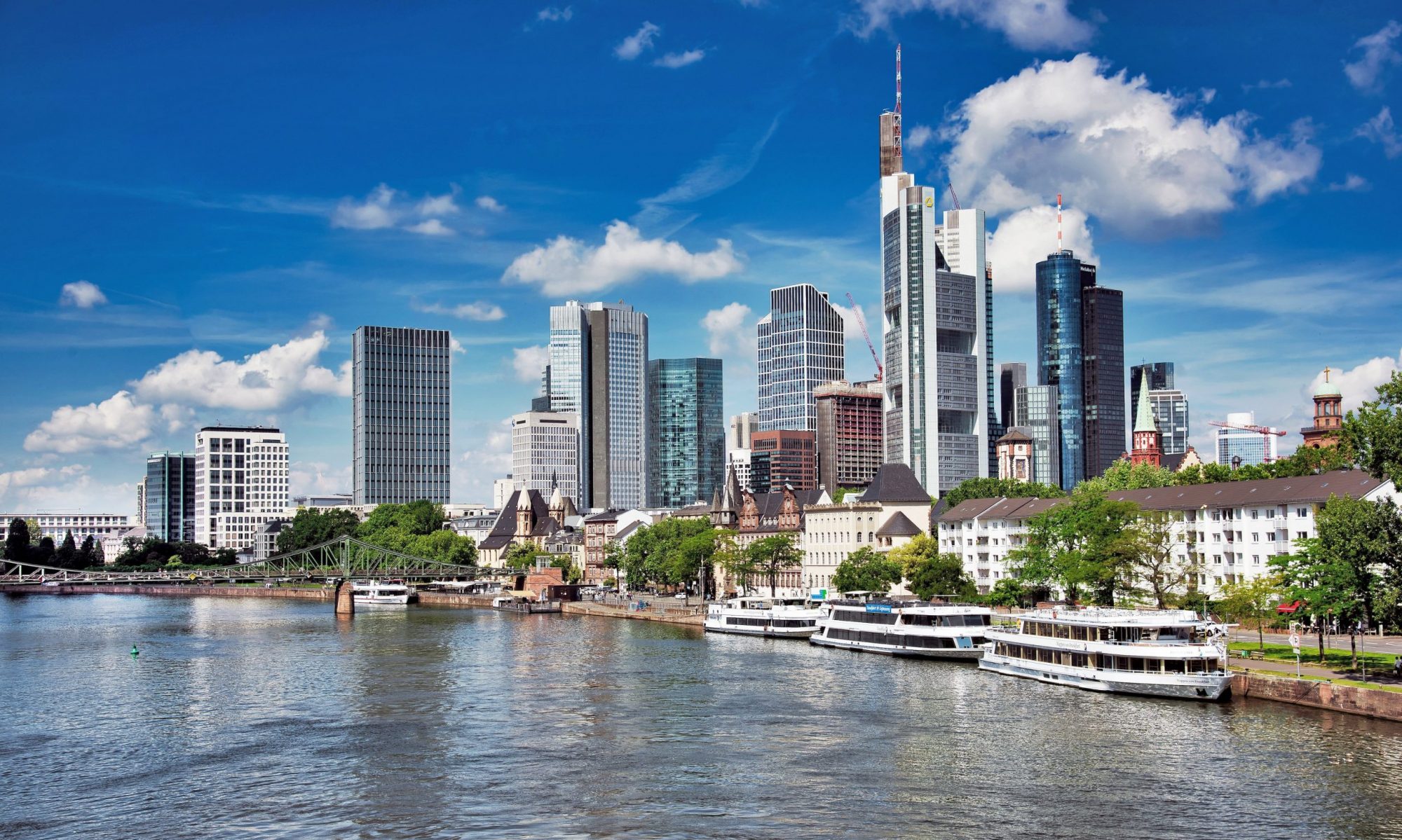
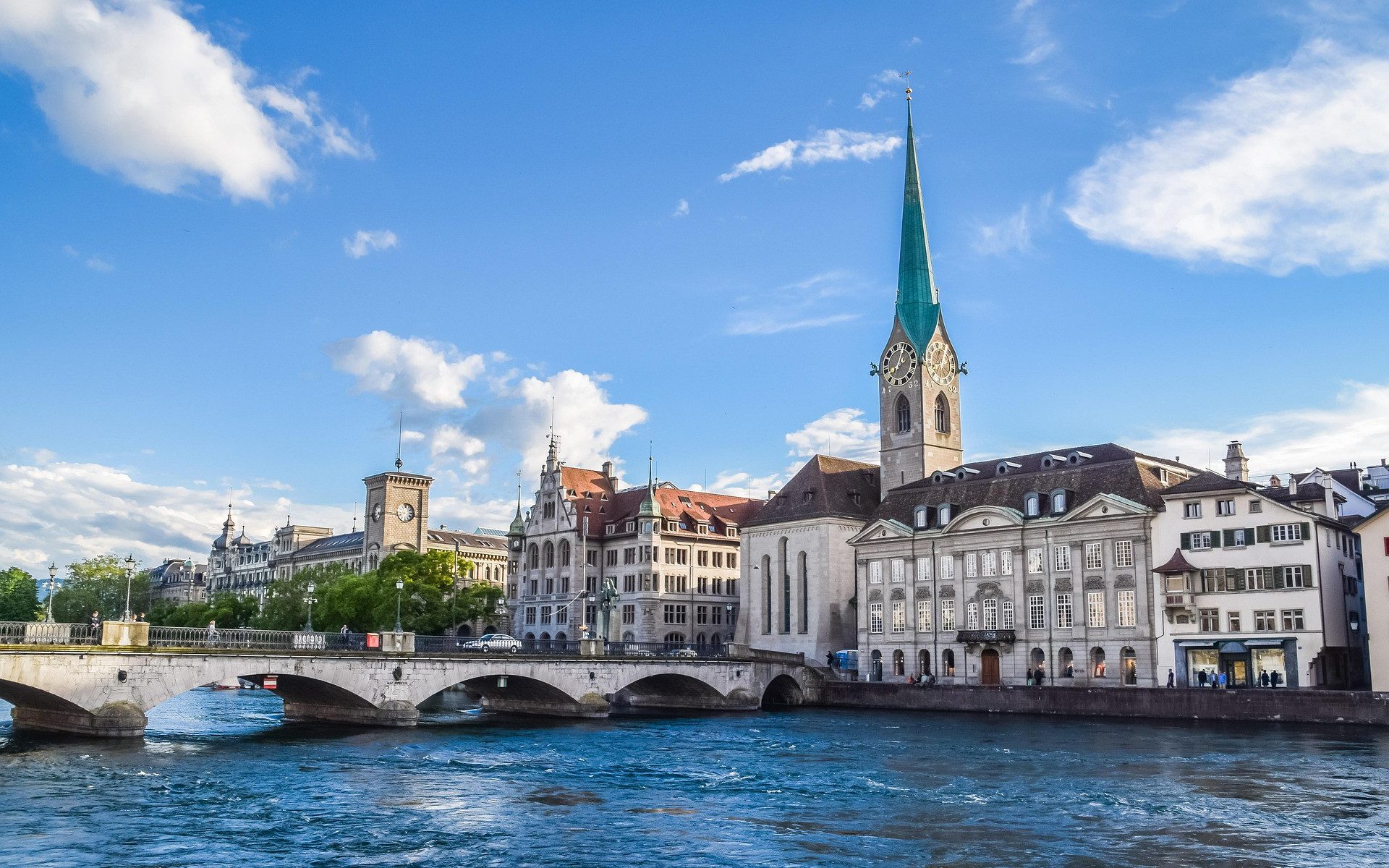
FRANKFURT AS A FINANCIAL CENTER & SWITZERLAND AS A FINANCIAL CENTER: Artificial Intelligence, Quantum Computing, Blockchain—Technology Convergence, Digital Sovereignty, and the Restructuring of  the Financial Architecture—September 24, 2026 (INTERVIEW—Jan Carlos Janke, Lucerne University of Applied Sciences and Arts)

Swiss Digital Finance Conference 2026, Digital Sovereignty Index, E-ID, and Digital Trust: Artificial intelligence, blockchain, digital identities, quantum computing, and new data infrastructures are often viewed as separate technological trends. In practice, however, these developments are increasingly beginning to converge.

This is precisely where the Swiss Digital Finance Conference 2026, hosted by Lucerne University of Applied Sciences and Arts on September 24, 2026, in Rotkreuz, comes in.

Under the theme “Technology Convergence – Redefining the Financial Architecture,” representatives from the financial sector, technology, academia, and the professional world will discuss what happens when individual innovations give rise to a new digital architecture.

But as technological interconnectivity increases, another question takes center stage:

To what extent do companies still retain sovereignty within these new digital structures?

This question leads directly to the next initiative from the Lucerne University of Applied Sciences and Arts: the Digital Sovereignty Index 2026, whose results will be presented on October 6, 2026, in Rotkreuz and discussed with representatives from business, technology, and academia.

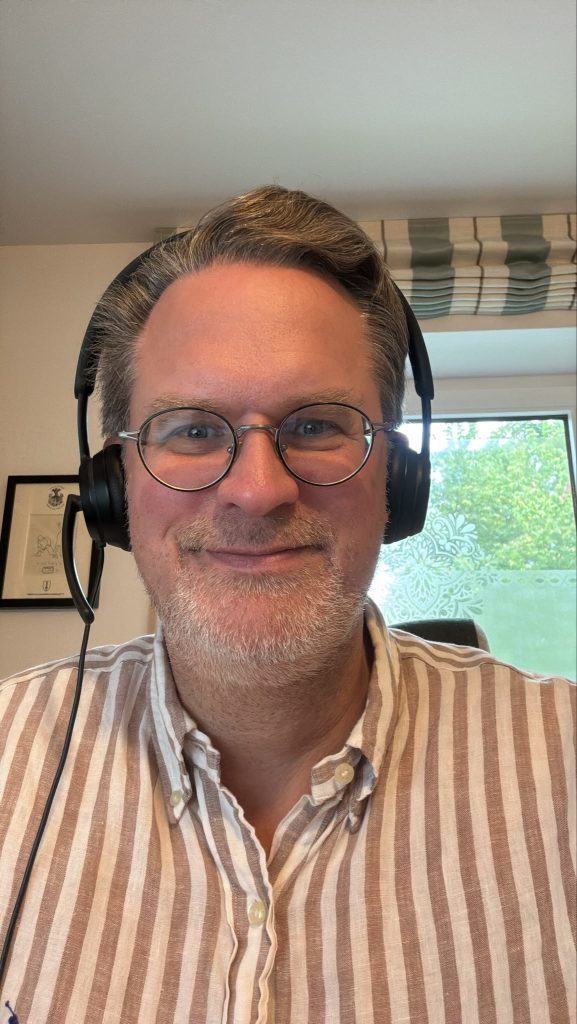
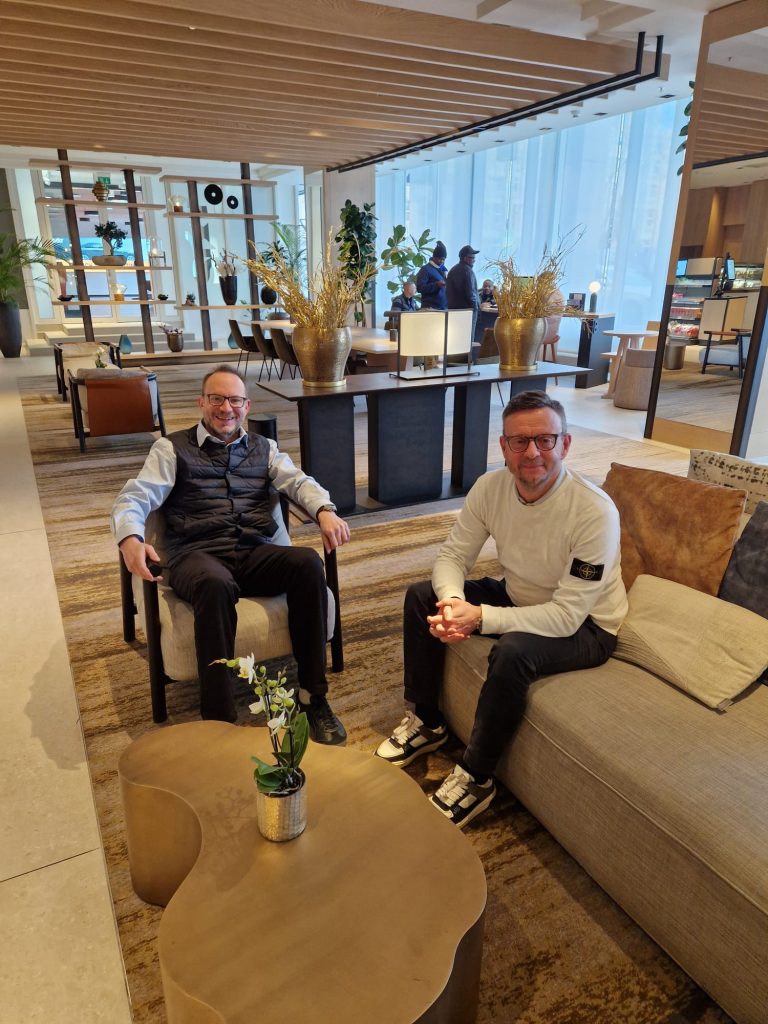
Markus Hill discusses the connection between these topics with Jan Carlos Janke, a lecturer in the Digital Business & Innovation program at Lucerne University of Applied Sciences and Arts – Computer Science, project manager of the Swiss Digital Finance Conference, co-director of the Digital Sovereignty Index, and co-program director of the new CAS Digital Identity & Trust program.

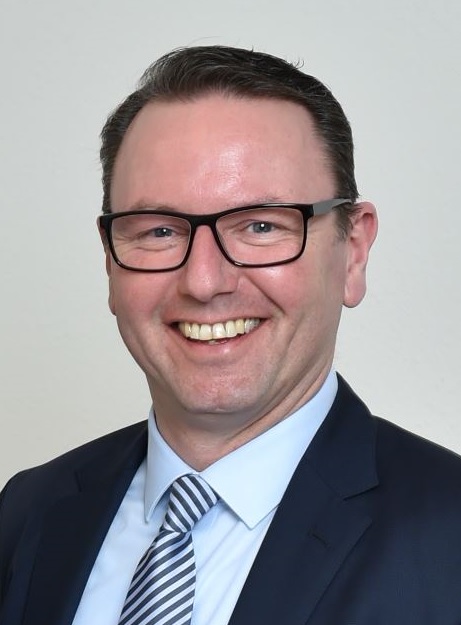
Jan Carlos Janke, Hochschule Luzern

Hill: Mr. Janke, why do you think we need a Swiss Digital Finance Conference at all? There are already numerous banking, fintech, and technology conferences.Janke: That’s precisely why. Many events focus on individual aspects: AI, blockchain, digital assets, cybersecurity, fintech, or regulation. Our basic premise is different: The truly relevant changes are increasingly emerging at the intersections of these technologies. The financial industry isn’t simply experiencing another wave of digitization. We’re seeing a combination of artificial intelligence, highly automated processes, blockchain and distributed ledger infrastructures, digital identities, new forms of digital assets, and, looking ahead, quantum computing. The crucial question, therefore, is no longer just: Which technology will prevail? Rather: What happens when these technologies interact with one another and, through “ ,” enable new business models, processes, and market structures? This is precisely the perspective we aim to facilitate with the Swiss Digital Finance Conference.

Hill: Is that why the theme for 2026 is “Technology Convergence – Redefining the Financial Architecture”?

Janke: Exactly. We don’t want to discuss technology as an end in itself. AI, for example, can automate processes, analyze information, and prepare decisions. Blockchain and distributed ledger technologies can create new transaction and ownership structures. Digital identities and verifiable proofs, in turn, can clarify who or what is actually acting within digital processes and with what authorization. If, in the future, autonomous AI agents also trigger transactions or carry out business processes independently, these questions will become even more important. This quickly takes us from individual technologies to architecture: How do we design financial systems in which data, identities, assets, and automated actors can interact securely and trustworthily with one another?

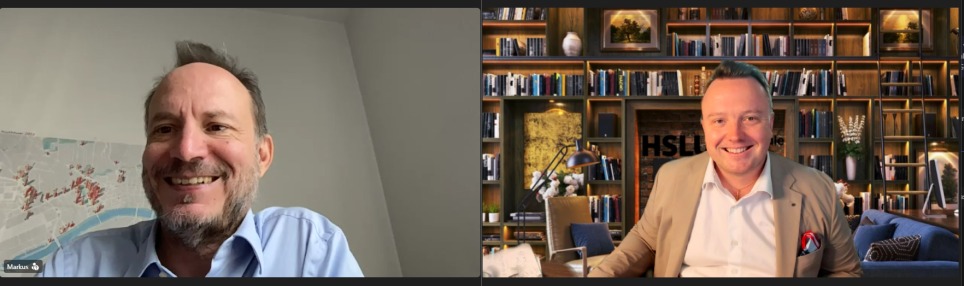
Markus Hill, Finanzplatz Frankfurt am Main & Jan Carlos Janke, Hochschule Luzern
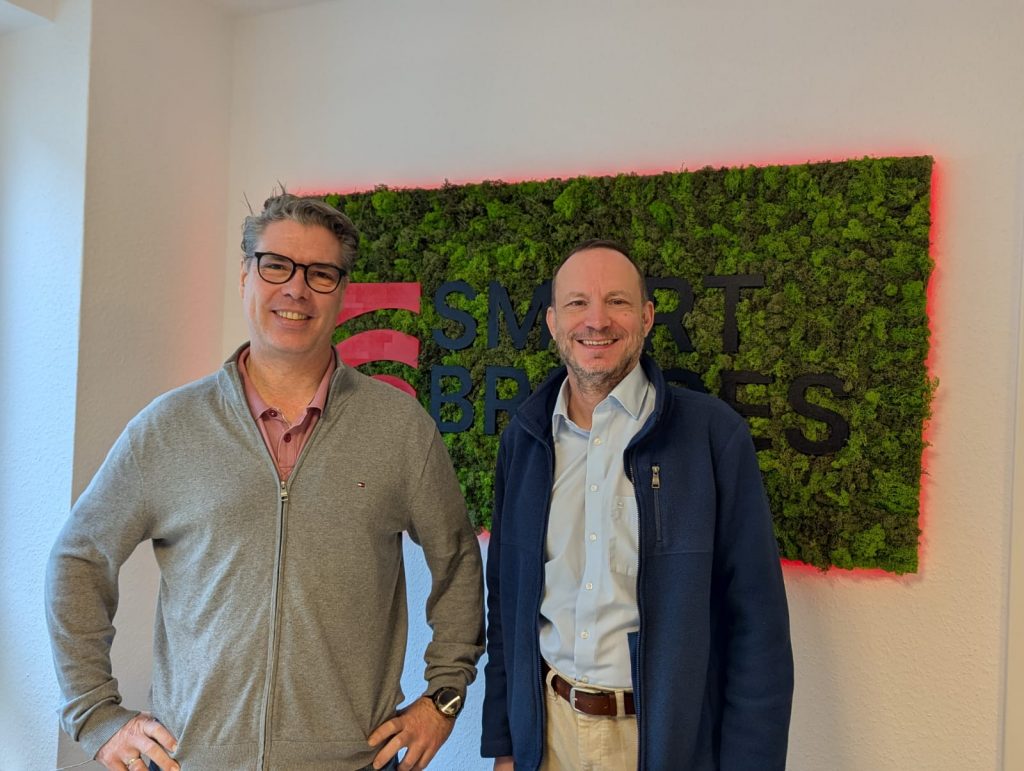
Hill: With Damir Bogdan, you’ve secured an expert in business transformation, AI, and quantum computing as a keynote speaker. What do you expect from his presentation?

Janke: His keynote, “Technology Convergence – AI, Quantum Computing, and the Race for Execution,” offers a perspective that’s important to us: Technological capabilities alone do not create a competitive advantage. What’s becoming increasingly crucial is the ability of organizations to meaningfully combine different technologies and translate them into scalable business models and processes. In my view, this also shifts the focus of management. It’s not enough to know which technologies might become relevant. Companies must be able to decide where to invest, which capabilities they want to control themselves, which ecosystems to leverage, and where dependencies are acceptable. And that brings us right to the topic of digital sovereignty.

Hill: Is that the connection to the Digital Sovereignty Index?

Janke: Yes—and that’s exactly why I don’t view the two events in isolation from one another. The Swiss Digital Finance Conference first asks: How is technological convergence changing the architecture of the financial system? A few days later, the Digital Sovereignty Index poses the follow-up question: How capable of acting and how self-determined are companies within this increasingly complex digital architecture? Together with our industry partner ti&m, the Lucerne University of Applied Sciences and Arts is using the Digital Sovereignty Index to examine how Swiss organizations assess digital sovereignty and what capabilities are necessary to achieve it. Among other things, this involves strategic and technological dependencies, data, infrastructure, governance, and the ability of organizations to shape their digital transformation in a self-determined manner. On October 6, 2026, we will present the results to the public for the first time and discuss them with experts from the fields of business, technology, and academia. Our goal is not to engage in an abstract debate about technological independence. Companies will continue to use international technology providers, cloud infrastructures, platforms, and specialized software in the future. The crucial question is rather: Where does an efficient division of labor give rise to a strategically problematic dependency—and does an organization still have sufficient options, expertise, and control to act autonomously?

Hill: What role do digital identities play in this context?

Janke: A very central one. We’re moving toward digital ecosystems where it’s no longer just people interacting with one another. Companies, government agencies, platforms, machines, and—increasingly—AI agents must all have roles, permissions, and credentials. Digital identity therefore means far more than just logging in or authenticating. With the Swiss e-ID, the swiyu Wallet, the federal government’s trust infrastructure, and verifiable credentials, an infrastructure is currently emerging that will make trustworthy digital interactions significantly easier and more automated. We are engaged with this development both in research and across various ecosystems, including within the context of DIDAS—theDigital Identity and Data Sovereignty Association—and the DIDAS Launchpad for the swiyu Ecosystem. The fundamental idea behind this is important: People and organizations should be able to use digital credentials reliably without having to exchange complete data sets with every interaction or rely on central platforms as the sole authority of trust. For me, this is a good example of how digital sovereignty does not mean isolating oneself technologically. On the contrary: sovereignty arises through choice, interoperability, and thoughtfully designed digital ecosystems.

Hill: You’re now incorporating these topics into continuing education programs at Lucerne University of Applied Sciences and Arts.

Janke: Yes. For me, this is exactly where the circle closes between research, practice, and continuing education. In the Digital Business & Innovation program at the Lucerne University of Applied Sciences and Arts, we explore how digital technologies are transforming business models, processes, and entire organizations—and how companies can actively shape this transformation. We deliberately focus on more than just individual technologies. We examine the interplay between technology, business models, innovation, organization, and digital ecosystems. A new component within this field is the CAS in Digital Identity & Trust, which I co-direct with Prof. Dr. Oliver Gilbert. Here, we examine digital identities, e-IDs, wallets, and verifiable credentials from more than just a technological perspective. Equally important are business models, governance, trust frameworks, interoperability, digital ecosystems, and digital sovereignty. After all, companies will need specialists and executives in the future who can bring these different perspectives together. Ultimately, this follows the same logic as the Swiss Digital Finance Conference: technology, business, and governance can be viewed less and less in isolation from one another.

Hill: Why is the financial sector particularly interesting in light of this development?

Janke: The financial industry is probably one of the sectors where this convergence is particularly evident. Banks already have complex identity, compliance, and transaction infrastructures in place. At the same time, new opportunities are emerging through AI, tokenization, digital assets, automated business processes, and digital credentials. Imagine, for example, a more highly automated financial process in which not only a customer’s identity is verified, but also their affiliation with a company, authority to act on behalf of the company, or regulatory documentation can be verified digitally and in a machine-readable format. If such documentation is available in an interoperable format, processes can be fundamentally reimagined. If we look ahead and combine this with AI agents, another dimension emerges. Then we must not only know who a person is, but also: On whose behalf is a digital agent acting? What powers does it have? And on what basis is it authorized to initiate a specific transaction? These are questions that touch on technology, governance, liability, regulation, cybersecurity, and trust all at once.

Hill: Frankfurt and Switzerland are two major financial and innovation hubs. Where do you see opportunities for greater collaboration?

Janke: Plenty. I worked in Frankfurt for several years myself and find the two ecosystems to be highly complementary. Frankfurt boasts an enormous concentration of banks, asset managers, regulatory bodies, infrastructure companies, and institutional investors. Switzerland, on the other hand, has a strong innovation ecosystem centered on fintech, blockchain, digital assets, digital identities, and new digital trust infrastructures. That’s why, especially when it comes to topics like tokenization, AI in the financial sector, digital identity, or digital sovereignty, it’s worthwhile to exchange ideas across national and ecosystem boundaries. Technological transformation doesn’t stop at national borders anyway. In my view, the Swiss Digital Finance Conference on September 24 offers an ideal platform for this.

Hill: What should participants take away from the Swiss Digital Finance Conference?

Janke: Ideally, not just a list of new technologies. I want them to recognize the connections. Which technologies are beginning to reinforce one another? What new business models are emerging from this? What infrastructure is needed for this? Where are new dependencies arising? And what capabilities does my organization need to build today so that it can still make autonomous decisions tomorrow? If, the next morning, someone in the company doesn’t ask: “Do we need AI, blockchain, or quantum computing now, too?” but instead: “How does the combination of these developments change our future architecture and our strategic options?” then we’ve achieved a great deal. And the discussion doesn’t end on September 24. On the contrary. I see the Swiss Digital Finance Conference on September 24 and the presentation of the Digital Sovereignty Index on October 6 as two stages of the same discussion. The first event focuses more on the technological future of financial architecture. The second provides a data-driven assessment of where we stand: How well are Swiss organizations prepared for precisely this future—and how sovereignly can they actually shape their digital transformation? In between lie topics such as e-ID, digital identities, verifiable credentials, swiyu, AI, the cloud, blockchain, and new digital ecosystems. It is precisely this connection between technology, business, and transformation that also defines the Digital Business & Innovation program at Lucerne University of Applied Sciences and Arts and the new CAS in Digital Identity & Trust. What ultimately ties all these topics together is a central management question: How do we leverage the opportunities of an increasingly interconnected digital world without losing control over our own ability to act? This is exactly what the financial sector, technology companies, academia, and policymakers should be discussing together right now.

About Jan Carlos Janke

Jan Carlos Janke is a lecturer in the Digital Business & Innovation program at Lucerne University of Applied Sciences and Arts – Computer Science.

He is the project manager of the Swiss Digital Finance Conference, co-director of the Digital Sovereignty Index 2026, and co-program director of the CAS Digital Identity & Trust program.

His work lies at the intersection of digital finance, technological innovation, digital identities, blockchain, digital assets, digital ecosystems, and digital sovereignty.

About Markus Hill (Swiss Digital Finance Conference 2026)

Markus Hill is an independent asset management consultant and has been active for many years as a specialist author, moderator, and interviewer at the intersection of asset management, the fund industry, and the financial sector.

Further Information

Swiss Digital Finance Conference 2026 – September 24, 2026

Swiss Digital Finance Conference

Digital Sovereignty Index – Presentation and Discussion on October 6, 2026

www.hslu.ch

HSLU Research Area: Digital Business & Innovation

www.hslu.ch.de-ch.informatik

Dialogue & Information:

FINANZPLATZ FRANKFURT AM MAIN on LINKEDIN – CHANNEL

FRANKFURT AM MAIN FINANCIAL CENTER on LINKEDIN – GROUP

FUND BOUTIQUES on LINKEDIN – CHANNEL

FINANZPLATZ-FRANKFURT-MAIN.DE, DACHLI Region & FONDSBOUTIQUEN.DE (2026) – Topics, Interests, Dialogue (Selection & “Snapshots”)

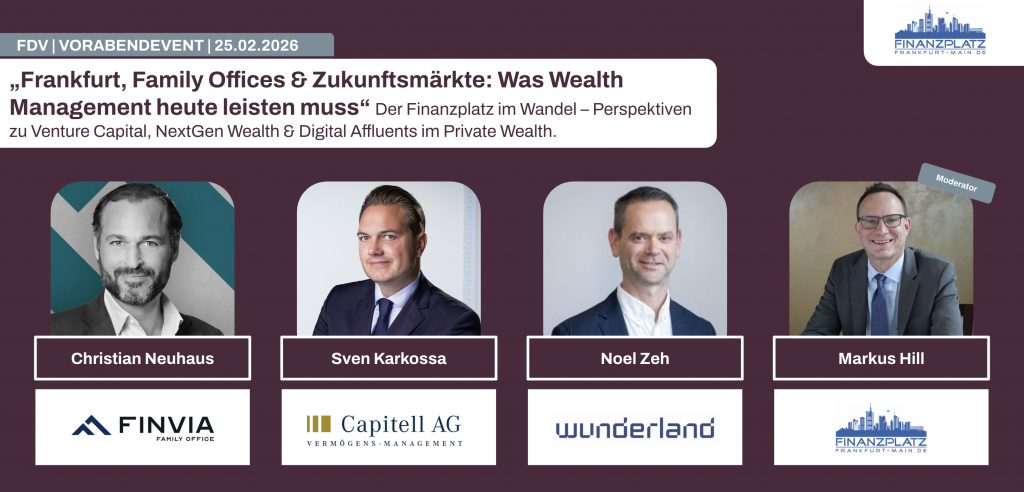
February 25, 2026, Frankfurt – “Frankfurt am Main Financial Center Meets Wealth Management”

(Markus Hill – Moderators: Christian Neuhaus – FINVIA, Sven Karkossa – Capitell Vermögens-Management AG, Noel Zeh – Wunderland Capital)

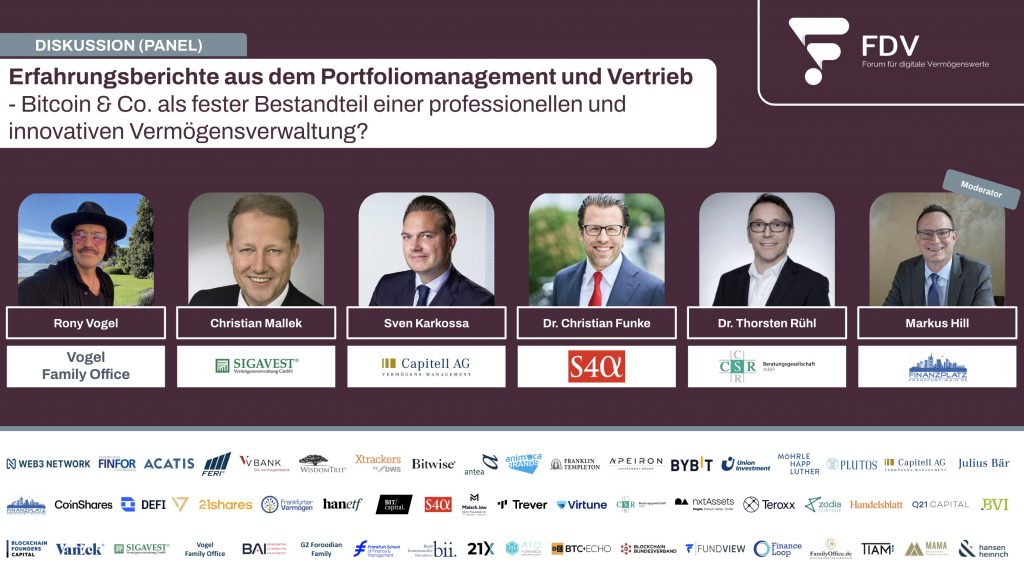
February 26, 2026, Frankfurt – “Forum for Digital Assets (FDV)”

Editorial Team – Special Feature “Frankfurt am Main Financial Center Meets Wealth Management & Digital Assets”

(Interviews / Guest Contributions, “Support” & MORE: info: markus-hill.com)

March 17, 2026, Frankfurt – Private Markets Excellence Forum – “Private Markets, Family Offices & Foundations – Due Diligence & Outlook 2026”

(Markus Hill – Fireside Chat: J. Paulo Dos Santos – Managing Director, VIRATIO GmbH)

Interview with Christian Hommens – SMART IMPACT INVESTING & PRIVATE MARKETS

Spring 2026Investor Study “Preferences of Institutional Investors in Real Estate & Alternative Investments”

(Markus Hill – Moderator, Podcast: Sebastian Thürmer, “artis & x” – Example 2025)

April 16, 2026 – “köln let’s talk” – Bettina Timmler – Real Estate & Dialogue

(Media Partnership)

May 12, 2026, Frankfurt: “Value Investing & Commodities & MORE”

(Markus Hill – Moderator & brief introduction “Fund Boutiques & the U.S. Formula” – Alex J. Rauschenstein & Urs Marti, SIA FUNDS AG – FINANCIAL CENTER SWITZERLAND)

June 17, 2026, Zurich: Insights – “Family Offices & Fund Boutiques” – The Mountain Talks Summit – FUNDPLAT

(Presentation – Markus Hill)

September 24, 2026, Lucerne: “Swiss Digital Finance Conference 2026” – Markus Hill (PARTNER) speaks with Jan Carlos Janke, lecturer in Digital Business & Innovation at Lucerne University of Applied Sciences and Arts – Computer Science

November 10, 2026, Frankfurt: “Frankfurt am Main Financial Center Meets Liechtenstein Financial Center”

(Markus Hill – Moderator – LAFV Liechtenstein Investment Fund Association: Panel & Presentations)

Input, ideas, and suggestions on the topics mentioned above are welcome:

info@markus-hill.com / +49 (0) 163 4616 179

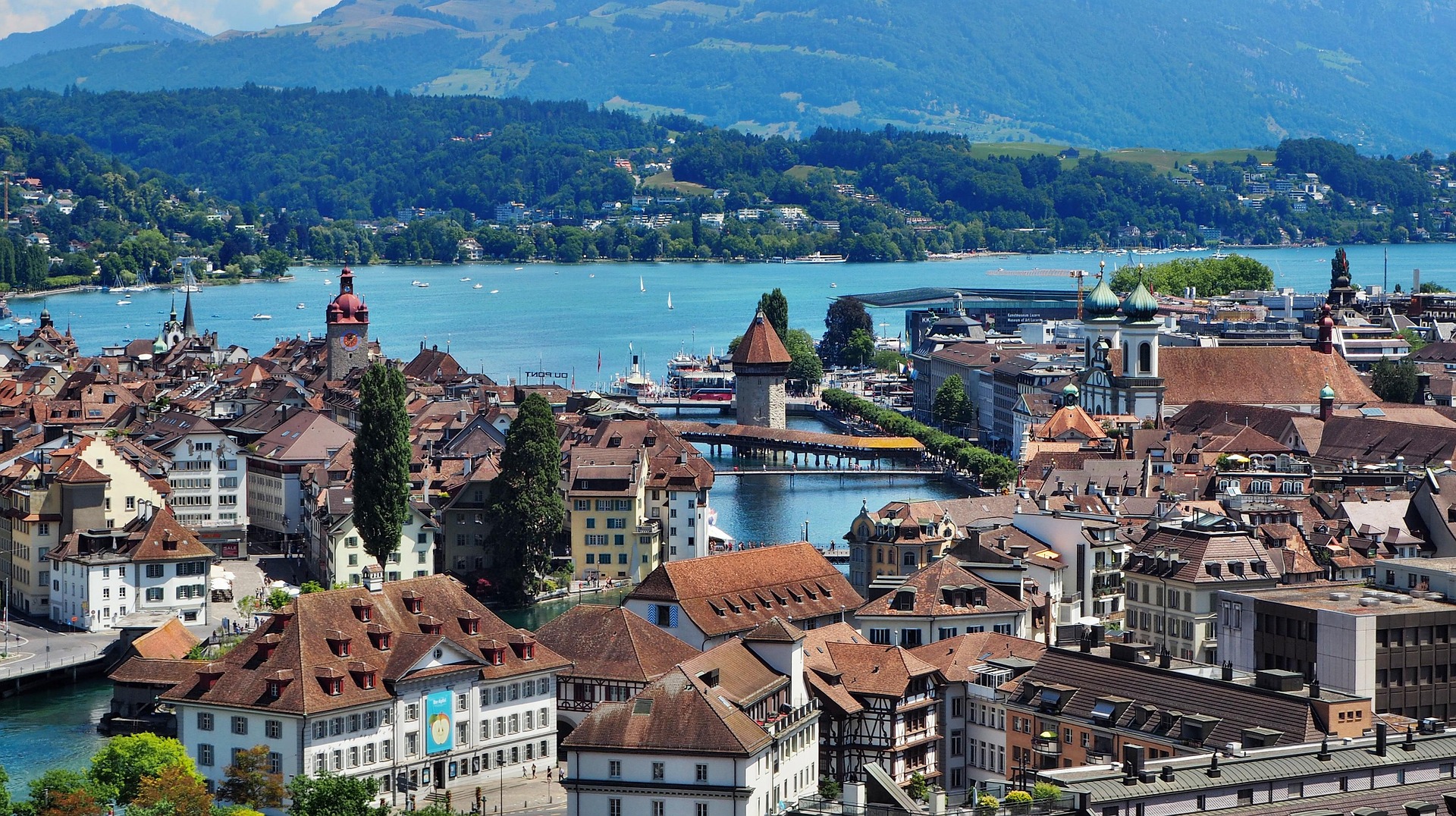
Photo: Pixabay

FINANCIAL CENTER FRANKFURT & FINANCIAL CENTER LIECHTENSTEIN: “Independent wealth managers, family offices, banks, and specialized asset managers in particular benefit from this unique positioning of Liechtenstein as a fund center.” (INTERVIEW – David Gamper, LAFV Liechtenstein Investment Fund Association)

Published 

Liechtenstein’s fund industry is growing—Markus Hill spoke with David Gamper, Managing Director of the Liechtenstein Investment Fund Association (LAFV), on behalf of FINANZPLATZ FRANKFURT AM MAIN, about the specialization in private-label funds, the role of dialogue-oriented supervision, and the biggest obstacle to growth: international recognition. Other topics include the recent roadshow in London and the question of why the British market is particularly interesting for Liechtenstein in the long term. On November 10, 2026, the LAFV will continue the dialogue in Frankfurt.

Hill: How is the Liechtenstein fund industry performing this year?
Gamper: We can be very satisfied with the first half of the year. Assets under management have risen by about 9%. Slightly more than a third of this growth is attributable to net inflows, with the remainder coming from price and currency gains. The number of new fund launches is also above last year’s level. This came as quite a surprise to us, as many of our members were simultaneously heavily occupied with implementing AIFMD II. These regulatory adjustments tied up significant personnel and organizational resources. It is therefore all the more gratifying that the industry was nevertheless able to maintain its growth momentum.

David Gamper, LAFV Liechtensteinischer Anlagefondsverband

Hill: You were just on a roadshow in London—not for the first time. Do you sense a change in the UK now?
Gamper: Yes, we’re seeing a very encouraging trend. Until a few years ago, Liechtenstein as a fund domicile was virtually unknown in the UK . We therefore had to lay the groundwork first and build awareness of the location in the first place. We only began targeted market development a few years ago; relative to the size of the UK market, we’re still operating on a comparatively modest budget. This makes it all the more gratifying that our efforts are increasingly bearing fruit. The number of participants in our roadshows is growing with each event. We’re having significantly more in-depth discussions with asset managers and service providers and are receiving more concrete inquiries. This is now also reflected in a growing number of funds being established in Liechtenstein by British asset managers. The British market is one of the largest and most international fund and asset management markets in Europe. Awareness and trust do not develop overnight there. However, developments to date show that Liechtenstein—with its short decision-making processes, high regulatory standards, and access to the European single market—is attracting increasing interest. We are convinced that in the UK, we are only at the beginning and still have considerable growth potential.

Hill: Liechtenstein is considered an important location for private-label funds. What is its particular strength?
Gamper: In recent years, Liechtenstein has deliberately positioned itself as a center of excellence for private-label funds. While major fund domiciles such as Luxembourg or Ireland primarily cater to international asset managers with very large fund volumes and structure their operations around economies of scale, Liechtenstein focuses on a different market segment. Here, private-label funds are not a niche product, but rather the core of the fund market. That is why all stakeholders—fund managers, custodian banks, specialized service providers, and the financial market supervisory authority—share a common interest in continuously improving the framework conditions for fund initiators and designing efficient processes. Independent asset managers, family offices, banks, and specialized asset managers in particular benefit from this unique positioning of Liechtenstein as a fund center. They find contacts who understand their business model, short decision-making paths, and a regulatory environment that enables innovation while ensuring high quality and compliance standards. This specialization is a genuine competitive advantage: In Liechtenstein, fund initiators are not just one of many clients—they are the focus of attention. This enables close collaboration, customized solutions, and a high quality of service—factors that are crucial in the private-label business.

Markus Hill, FINANZPLATZ FRANKFURT AM MAIN

Hill: What role does the Financial Market Authority play in the location’s attractiveness?
Gamper: The Financial Market Authority is a key factor in our success. An attractive fund center requires high regulatory standards and legal certainty, but also a regulator that seeks dialogue with market participants and facilitates efficient processes. It is precisely this combination that sets Liechtenstein apart. A particular advantage is the close and direct communication. Every fund company has a personal point of contact at the Financial Market Authority. Regular communication is not only possible but expressly encouraged. This is particularly helpful when dealing with more complex fund structures or innovative asset classes: early dialogue clarifies regulatory issues and efficiently prepares the approval process. The division of roles remains clear throughout. The Financial Market Authority does not act in an advisory capacity, but sees itself as an accessible and dialogue-oriented authority. Verena Schlömer of the Financial Market Authority recently put this aptly before fund sponsors: “We are not advisors, but we are happy to consult with you.” This statement sums up the Liechtenstein approach very well: talking to one another early on, fostering mutual understanding, and finding solutions within the regulatory framework. Short decision-making paths, dedicated points of contact, and constructive dialogue provide planning certainty. This allows even challenging fund projects to be implemented efficiently. Many market participants particularly appreciate this distinction when comparing Liechtenstein to other international markets.

Hill: How does European regulation affect a small fund center like Liechtenstein?
Gamper: European regulation naturally has a noticeable impact on a small fund center. For small and medium-sized companies—which are typical here—implementing new requirements often entails considerable effort and additional resources. At the same time, Liechtenstein has an important advantage: The regulator implements European requirements in a targeted manner and—unlike some other fund centers—avoids imposing additional restrictions beyond those set by Brussels. This pragmatic approach strikes a balance between necessary regulation and competitiveness. Both local companies and fund sponsors benefit from this. They receive a reliable regulatory framework without unnecessary additional hurdles. For a small fund center, it is crucial to remain efficient while meeting high European standards.

Hill: What is currently the biggest obstacle to further growth?
Gamper: In our view, the biggest obstacle is not the quality of the location, but its visibility. Anyone who gets to know Liechtenstein as a fund location more closely is generally convinced by the framework conditions and the ecosystem’s capabilities. Many then wonder why growth isn’t even stronger—and usually reach the same conclusion: Liechtenstein’s strengths are still not well known internationally. Luxembourg and Ireland have been established as fund domiciles for decades and invest significant resources in their international marketing. Our association is working with a comparatively limited budget to gradually increase awareness—through roadshows, social media, and direct engagement with fund sponsors such as asset managers, wealth managers, and family offices. I am convinced that the more potential fund sponsors get to know Liechtenstein, the stronger the growth will be. Our task, therefore, is to further increase visibility and promote the location’s strengths even more effectively in international markets.

Hill: When will you be in Germany next?
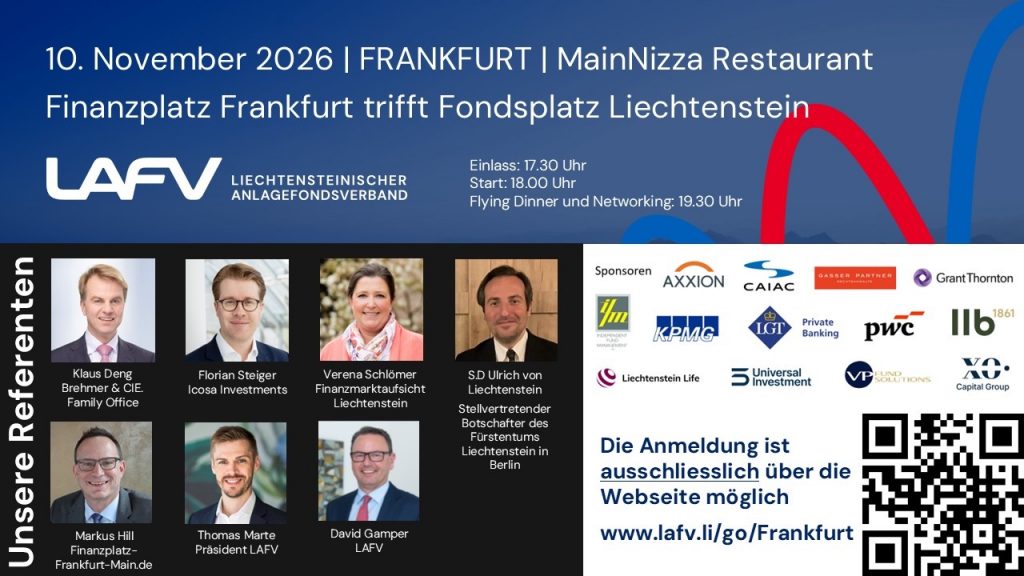
Gamper: We’ll be in Frankfurt on November 10, 2026. Joining us will be the Deputy Ambassador in Berlin, H.E. Ulrich von Liechtenstein; Klaus Deng, Senior Partner at Brehmer & CIE. Family Office; Verena Schlömer from the Liechtenstein Financial Market Authority ( ); Florian Steiger, CEO and founder of Icosa Investments AG; Thomas Marte, President of the LAFV; and myself. Those interested can find more information and register on our website.

Hill: Thank you very much for the interview.

Frankfurt as a Financial Center Meets Liechtenstein as a Fund Center” – Event Announcement & Registration:

Information and Registration

Dialogue & Information:

FINANZPLATZ FRANKFURT AM MAIN on LINKEDIN – CHANNEL

FRANKFURT AM MAIN FINANCIAL CENTER on LINKEDIN – GROUP

FUND BOUTIQUES on LINKEDIN – CHANNEL

FINANZPLATZ-FRANKFURT-MAIN.DE, DACHLI Region & FONDSBOUTIQUEN.DE (2026) – Topics, Interests, Dialogue (Selection & “Snapshots”)

February 25, 2026, Frankfurt – “Frankfurt am Main Financial Center Meets Wealth Management”

(Markus Hill – Moderators: Christian Neuhaus – FINVIA, Sven Karkossa – Capitell Vermögens-Management AG, Noel Zeh – Wunderland Capital)

February 26, 2026, Frankfurt – “Forum for Digital Assets (FDV)”

Editorial Team – Special Feature “Frankfurt am Main Financial Center Meets Wealth Management & Digital Assets”

(Interviews / Guest Contributions, “Support” & MORE: info: markus-hill.com)

March 17, 2026, Frankfurt – Private Markets Excellence Forum – “Private Markets, Family Offices & Foundations – Due Diligence & Outlook 2026”

(Markus Hill – Fireside Chat: J. Paulo Dos Santos – Managing Director, VIRATIO GmbH)

Interview with Christian Hommens – SMART IMPACT INVESTING & PRIVATE MARKETS

Spring 2026Investor Study “Preferences of Institutional Investors in Real Estate & Alternative Investments”

(Markus Hill – Moderator, Podcast: Sebastian Thürmer, “artis & x” – Example 2025)

April 16, 2026 – “köln let’s talk” – Bettina Timmler – Real Estate & Dialogue

(Media Partnership)

May 12, 2026, Frankfurt: “Value Investing & Commodities & MORE”

(Markus Hill – Moderator & brief introduction “Fund Boutiques & the U.S. Formula” – Alex J. Rauschenstein & Urs Marti, SIA FUNDS AG – FINANCIAL CENTER SWITZERLAND)

June 17, 2026, Zurich: Insights – “Family Offices & Fund Boutiques” – The Mountain Talks Summit – FUNDPLAT

(Presentation – Markus Hill)

September 24, 2026, Lucerne: “Swiss Digital Finance Conference 2026” – Markus Hill (PARTNER) speaks with Jan Carlos Janke, lecturer in Digital Business & Innovation at Lucerne University of Applied Sciences and Arts – Computer Science

November 10, 2026, Frankfurt: “Frankfurt am Main Financial Center Meets Liechtenstein Financial Center”

(Markus Hill – Moderator – LAFV Liechtenstein Investment Fund Association: Panel & Presentations)

Input, ideas, and suggestions on the topics mentioned above are welcome:

info@markus-hill.com / +49 (0) 163 4616 179

Photo: Pixabay

Source: IPE D.A.CH

FINANZPLATZ FRANKFURT & FINANZPLATZ SCHWEIZ: Künstliche Intelligenz, Quantum Computing, Blockchain – Technologiekonvergenz, digitale Souveränität & Neuordnung der  Finanzarchitektur – 24.9.2026 (INTERVIEW – Jan Carlos Janke, Hochschule Luzern)

Swiss Digital Finance Conference 2026, Digital Sovereignty Index, E-ID und Digital Trust: Künstliche Intelligenz, Blockchain, digitale Identitäten, Quantencomputing und neue Dateninfrastrukturen werden häufig als voneinander getrennte Technologietrends betrachtet. In der Praxis beginnen diese Entwicklungen jedoch zunehmend miteinander zu verschmelzen.

Genau hier setzt die Swiss Digital Finance Conference 2026 der Hochschule Luzern am 24. September 2026 in Rotkreuz an.

Unter dem Leitthema «Technology Convergence – Redefining the Financial Architecture» diskutieren Vertreterinnen und Vertreter aus Finanzwirtschaft, Technologie, Wissenschaft und Praxis, was passiert, wenn aus einzelnen Innovationen eine neue digitale Architektur entsteht.

Doch mit zunehmender technologischer Vernetzung rückt eine weitere Frage in den Mittelpunkt:

Wie souverän sind Unternehmen innerhalb dieser neuen digitalen Strukturen überhaupt noch?

Diese Frage führt direkt zur nächsten Initiative der Hochschule Luzern: dem Digital Sovereignty Index 2026, dessen Ergebnisse am 6. Oktober 2026 in Rotkreuz vorgestellt und mit Vertreterinnen und Vertretern aus Wirtschaft, Technologie und Wissenschaft diskutiert werden.

Über die Verbindung dieser Themen spricht Markus Hill mit Jan Carlos Janke, Dozent im Themenfeld Digital Business & Innovation der Hochschule Luzern – Informatik, Projektleiter der Swiss Digital Finance Conference, Co-Leiter des Digital Sovereignty Index sowie Co-Programmleiter des neuen CAS Digital Identity & Trust.

Jan Carlos Janke, Hochschule Luzern

Hill: Herr Janke, warum braucht es aus Ihrer Sicht überhaupt eine Swiss Digital Finance Conference? Es gibt doch bereits zahlreiche Banking-, FinTech- und Technologiekonferenzen.

Janke: Gerade deshalb. Viele Veranstaltungen betrachten einzelne Ausschnitte: AI, Blockchain, Digital Assets, Cyber Security, FinTech oder Regulierung. Unsere Grundannahme ist eine andere: Die eigentlich relevanten Veränderungen entstehen zunehmend an den Schnittstellen dieser Technologien. Die Finanzbranche befindet sich nicht einfach in einer weiteren Digitalisierungswelle. Wir sehen eine Kombination aus künstlicher Intelligenz, hochautomatisierten Prozessen, Blockchain- und Distributed-Ledger-Infrastrukturen, digitalen Identitäten, neuen Formen digitaler Assets und perspektivisch Quantum Computing. Die entscheidende Frage lautet deshalb nicht mehr nur: Welche Technologie setzt sich durch? Sondern: Was geschieht, wenn diese Technologien miteinander interagieren und dadurch neue Geschäftsmodelle, Prozesse und Marktstrukturen ermöglichen? Genau diesen Blick möchten wir mit der Swiss Digital Finance Conference ermöglichen.

Hill: Deshalb lautet das Thema 2026 «Technology Convergence – Redefining the Financial Architecture»?

Janke: Genau. Wir möchten Technologie nicht als Selbstzweck diskutieren. AI kann beispielsweise Prozesse automatisieren, Informationen analysieren und Entscheidungen vorbereiten. Blockchain und Distributed-Ledger-Technologien können neue Transaktions- und Eigentumsstrukturen schaffen. Digitale Identitäten und verifizierbare Nachweise können wiederum klären, wer oder was innerhalb digitaler Prozesse tatsächlich handelt und mit welcher Berechtigung. Wenn künftig zusätzlich autonome AI Agents Transaktionen auslösen oder Geschäftsprozesse eigenständig durchführen, werden diese Fragen noch wichtiger. Damit kommen wir sehr schnell von der einzelnen Technologie zur Architektur: Wie gestalten wir Finanzsysteme, in denen Daten, Identitäten, Assets und automatisierte Akteure sicher und vertrauenswürdig miteinander interagieren können?

Markus Hill, Finanzplatz Frankfurt am Main & Jan Carlos Janke, Hochschule Luzern

Hill: Mit Damir Bogdan haben Sie einen Experten für Business Transformation, AI und Quantum Computing als Keynote Speaker gewonnen. Was erwarten Sie von seinem Beitrag?

Janke: Seine Keynote «Technology Convergence – AI, Quantum Computing and the Race for Execution» bringt eine für uns wichtige Perspektive ein: Technologische Möglichkeiten allein schaffen noch keinen Wettbewerbsvorteil. Entscheidend wird zunehmend die Fähigkeit von Organisationen, unterschiedliche Technologien sinnvoll miteinander zu verbinden und in skalierbare Geschäftsmodelle und Prozesse zu übersetzen. Aus meiner Sicht verschiebt sich damit auch die Managementfrage. Es reicht nicht, zu wissen, welche Technologien relevant werden könnten. Unternehmen müssen entscheiden können, wo sie investieren, welche Fähigkeiten sie selbst kontrollieren möchten, welche Ökosysteme sie nutzen und an welchen Stellen Abhängigkeiten vertretbar sind. Und damit sind wir bereits beim Thema digitale Souveränität.

Hill: Ist das die Verbindung zum Digital Sovereignty Index?

Janke: Ja – und genau deshalb sehe ich die beiden Veranstaltungen nicht isoliert voneinander. Die Swiss Digital Finance Conference fragt zunächst: Wie verändert technologische Konvergenz die Architektur des Finanzsystems? Der Digital Sovereignty Index stellt wenige Tage später die Anschlussfrage: Wie handlungsfähig und selbstbestimmt sind Unternehmen innerhalb dieser zunehmend komplexen digitalen Architektur? Gemeinsam mit unserem Praxispartner ti&m untersucht die Hochschule Luzern mit dem Digital Sovereignty Index, wie Schweizer Organisationen digitale Souveränität einschätzen und welche Fähigkeiten dafür notwendig sind. Dabei geht es unter anderem um strategische und technologische Abhängigkeiten, Daten, Infrastruktur, Governance und die Fähigkeit von Organisationen, ihre digitale Transformation selbstbestimmt zu gestalten. Am 6. Oktober 2026 werden wir die Ergebnisse erstmals öffentlich vorstellen und gemeinsam mit Fachpersonen aus Wirtschaft, Technologie und Wissenschaft diskutieren. Unser Ziel ist dabei keine abstrakte Debatte über technologische Unabhängigkeit. Unternehmen werden auch künftig internationale Technologieanbieter, Cloud-Infrastrukturen, Plattformen und spezialisierte Software nutzen. Die entscheidende Frage ist vielmehr: Wo entsteht aus effizienter Arbeitsteilung eine strategisch problematische Abhängigkeit – und besitzt eine Organisation noch ausreichend Wahlmöglichkeiten, Kompetenzen und Steuerungsfähigkeit, um selbstbestimmt handeln zu können?

Hill: Welche Rolle spielen digitale Identitäten dabei?

Janke: Eine sehr zentrale. Wir bewegen uns in Richtung digitaler Ökosysteme, in denen nicht mehr nur Menschen miteinander interagieren. Unternehmen, Behörden, Plattformen, Maschinen und zunehmend auch AI Agents müssen Rollen, Berechtigungen und Nachweise besitzen. Digitale Identität bedeutet deshalb weit mehr als Login oder Authentifizierung. Mit der Schweizer E-ID, der swiyu Wallet, der Vertrauensinfrastruktur des Bundes und Verifiable Credentials entsteht gerade eine Infrastruktur, auf deren Basis vertrauenswürdige digitale Interaktionen wesentlich einfacher und stärker automatisiert werden können. Diese Entwicklung beschäftigt uns sowohl in der Forschung als auch in verschiedenen Ökosystemen, unter anderem im Umfeld von DIDAS – Digital Identity and Data Sovereignty Association und dem DIDAS Launchpad for the swiyu Ecosystem. Die grundlegende Idee dahinter ist wichtig: Menschen und Organisationen sollen digitale Nachweise vertrauenswürdig nutzen können, ohne bei jeder Interaktion wieder vollständige Datenbestände austauschen oder zentrale Plattformen als alleinige Vertrauensinstanz benötigen zu müssen. Für mich ist das ein gutes Beispiel dafür, dass digitale Souveränität nicht bedeutet, sich technologisch abzuschotten. Im Gegenteil: Souveränität entsteht durch Wahlmöglichkeiten, Interoperabilität und bewusst gestaltete digitale Ökosysteme.

Hill: Sie übertragen diese Themen inzwischen auch in die Weiterbildung der Hochschule Luzern.

Janke: Ja. Genau hier schliesst sich für mich der Kreis zwischen Forschung, Praxis und Weiterbildung. Im Themenfeld Digital Business & Innovation der Hochschule Luzern beschäftigen wir uns mit der Frage, wie digitale Technologien Geschäftsmodelle, Prozesse und ganze Organisationen verändern – und wie Unternehmen diese Transformation aktiv gestalten können. Dabei geht es bewusst nicht nur um einzelne Technologien. Wir betrachten das Zusammenspiel von Technologie, Geschäftsmodellen, Innovation, Organisation und digitalen Ökosystemen. Ein neuer Baustein innerhalb dieses Themenfelds ist der CAS Digital Identity & Trust, den ich gemeinsam mit Prof. Dr. Oliver Gilbert leite. Hier betrachten wir digitale Identitäten, E-ID, Wallets und Verifiable Credentials nicht nur technologisch. Ebenso wichtig sind Geschäftsmodelle, Governance, Trust Frameworks, Interoperabilität, digitale Ökosysteme und digitale Souveränität. Denn Unternehmen benötigen künftig Fach- und Führungskräfte, die diese unterschiedlichen Perspektiven zusammenbringen können. Das ist letztlich dieselbe Logik wie bei der Swiss Digital Finance Conference: Technologie, Business und Governance lassen sich immer weniger getrennt voneinander betrachten.

Hill: Warum ist gerade der Finanzsektor für diese Entwicklung interessant?

Janke: Die Finanzindustrie ist wahrscheinlich einer der Bereiche, in denen diese Konvergenz besonders deutlich wird. Banken verfügen bereits über komplexe Identitäts-, Compliance- und Transaktionsinfrastrukturen. Gleichzeitig entstehen neue Möglichkeiten durch AI, Tokenisierung, digitale Assets, automatisierte Geschäftsprozesse und digitale Credentials. Stellen Sie sich beispielsweise einen stärker automatisierten Finanzprozess vor, in dem nicht nur die Identität eines Kunden geprüft wird, sondern auch Unternehmenszugehörigkeit, Vertretungsberechtigung oder regulatorisch relevante Nachweise digital und maschinenlesbar überprüft werden können. Wenn solche Nachweise interoperabel verfügbar sind, können Prozesse fundamental neu gedacht werden. Verbindet man dies perspektivisch mit AI Agents, entsteht eine weitere Dimension. Dann müssen wir nicht nur wissen, wer ein Mensch ist, sondern auch: Für wen handelt ein digitaler Agent? Welche Befugnisse besitzt er? Und auf welcher Grundlage darf er eine bestimmte Transaktion auslösen? Das sind gleichzeitig Fragen von Technologie, Governance, Haftung, Regulierung, Cyber Security und Vertrauen.

Hill: Frankfurt und die Schweiz sind zwei wichtige Finanz- und Innovationsstandorte. Wo sehen Sie Möglichkeiten für einen stärkeren Austausch?

Janke: Sehr viele. Ich habe selbst mehrere Jahre in Frankfurt gearbeitet und erlebe die beiden Ökosysteme als sehr komplementär. Frankfurt besitzt eine enorme Konzentration von Banken, Asset Managern, Regulierung, Infrastrukturunternehmen und institutionellen Investoren. Die Schweiz wiederum verfügt über ein starkes Innovationsökosystem rund um FinTech, Blockchain, Digital Assets, digitale Identitäten und neue digitale Vertrauensinfrastrukturen. Gerade bei Themen wie Tokenisierung, AI im Finanzsektor, Digital Identity oder digitaler Souveränität lohnt sich deshalb der Austausch über Länder- und Ökosystemgrenzen hinweg. Technologische Transformation hält sich ohnehin nicht an Landesgrenzen. Die Swiss Digital Finance Conference am 24. September bietet dafür aus meiner Sicht eine ideale Plattform.

Hill: Was sollen die Teilnehmerinnen und Teilnehmer am Ende der Swiss Digital Finance Conference mitnehmen?

Janke: Im Idealfall nicht einfach eine Liste neuer Technologien. Ich möchte, dass sie Zusammenhänge erkennen. Welche Technologien beginnen sich gegenseitig zu verstärken? Welche neuen Geschäftsmodelle entstehen daraus? Welche Infrastruktur benötigt man dafür? Wo entstehen neue Abhängigkeiten? Und welche Fähigkeiten muss meine Organisation heute aufbauen, um morgen noch selbstbestimmt entscheiden zu können? Wenn jemand am nächsten Morgen im Unternehmen nicht fragt: «Brauchen wir jetzt auch AI, Blockchain oder Quantum?» sondern stattdessen: «Wie verändert die Kombination dieser Entwicklungen unsere zukünftige Architektur und unsere strategischen Handlungsmöglichkeiten?» dann haben wir viel erreicht. Und damit endet die Diskussion am 24. September nicht. Im Gegenteil. Ich sehe die Swiss Digital Finance Conference am 24. September und die Präsentation des Digital Sovereignty Index am 6. Oktober als zwei Stationen derselben Diskussion. Die erste Veranstaltung blickt stärker auf die technologische Zukunft der Finanzarchitektur. Die zweite schafft eine datenbasierte Standortbestimmung: Wie gut sind Schweizer Organisationen auf genau diese Zukunft vorbereitet – und wie souverän können sie ihre digitale Transformation tatsächlich gestalten? Dazwischen liegen Themen wie E-ID, digitale Identitäten, Verifiable Credentials, swiyu, AI, Cloud, Blockchain und neue digitale Ökosysteme. Genau diese Verbindung von Technologie, Business und Transformation prägt auch das Themenfeld Digital Business & Innovation der Hochschule Luzern und den neuen CAS Digital Identity & Trust. Was all diese Themen verbindet, ist letztlich eine zentrale Managementfrage: Wie nutzen wir die Möglichkeiten einer immer stärker vernetzten digitalen Welt, ohne dabei die Kontrolle über unsere eigene Handlungsfähigkeit zu verlieren? Genau darüber sollten Finanzwirtschaft, Technologieunternehmen, Wissenschaft und Politik jetzt gemeinsam diskutieren.

Über Jan Carlos Janke

Jan Carlos Janke ist Dozent im Themenfeld Digital Business & Innovation an der Hochschule Luzern – Informatik.

Er ist Projektleiter der Swiss Digital Finance Conference, Co-Leiter des Digital Sovereignty Index 2026 und Co-Programmleiter des CAS Digital Identity & Trust.

Seine Arbeit bewegt sich an der Schnittstelle von Digital Finance, technologischer Innovation, digitalen Identitäten, Blockchain, Digital Assets, digitalen Ökosystemen und digitaler Souveränität.

Über Markus Hill (PARTNER: Swiss Digital Finance Conference 2026)

Markus Hill ist unabhängiger Asset-Management-Consultant und seit vielen Jahren als Fachautor, Moderator und Interviewer an der Schnittstelle von Asset Management, Fondsindustrie und Finanzwirtschaft tätig.

Weiterführende Informationen

Swiss Digital Finance Conference 2026 – 24. September 2026

Swiss Digital Finance Conference

Digital Sovereignty Index – Präsentation und Diskussion am 6. Oktober 2026

www.hslu.ch

HSLU Themenfeld Digital Business & Innovation

www.hslu.ch.de-ch.informatik

Dialog & Information:

FINANZPLATZ FRANKFURT AM MAIN auf LINKEDIN – KANAL

FINANZPLATZ FRANKFURT AM MAIN auf LINKEDIN – GRUPPE

FONDSBOUTIQUEN auf LINKEDIN – KANAL

FINANZPLATZ-FRANKFURT-MAIN.DE, DACHLI-Region & FONDSBOUTIQUEN.DE (2026) – Themen, Interessen, Dialog (Auswahl & „Snapshots“)

25.2.2026, Frankfurt – „Finanzplatz Frankfurt am Main meets Wealthmanagement“

(Markus Hill – Moderation: Christian Neuhaus – FINVIA, Sven Karkossa – Capitell Vermögens-Management AG, Noel Zeh – Wunderland Capital)

26.2.2026, Frankfurt – „Forum für Digitale Vermögenswerte (FDV)“

Redaktion – Themenspecial „Finanzplatz Frankfurt am Main meets Wealthmanagement & Digital Assets“

(Interviews / Gastbeiträge, “Support” & MORE: info: markus-hill.com)

17.3.2026, Frankfurt – Private Markets Excellence Forum – „Private Markets, Family Offices & Stiftungen – Due Diligence & Ausblick 2026”

(Markus Hill – Fireside Chat: J. Paulo Dos Santos – Geschäftsführer, VIRATIO GmbH)

Interview mit Christian Hommens  SMART IMPACT INVESTING & PRIVATE MARKETS

Frühjahr 2026Investorenstudie „Präferenzen institutioneller Investoren bei Immobilien & Alternative Investments“

(Markus Hill – Moderation, Podcast: Sebastian Thürmer, “artis & x” – Beispiel 2025)

16.4.2026 – „köln let’s talk“ – Bettina Timmler – Immobilien & Dialog

(Medienpartnerschaft)

12.5.2026, Frankfurt: „Value Investing & Rohstoffe & MORE“

(Markus Hill – Moderation & Kurzintro „Fondsboutiquen & USA-Formel“ – Alex J. Rauschenstein & Urs Marti, SIA FUNDS AG – FINANZPLATZ SCHWEIZ)

17.6.2026, Zürich: Insights – “Family Offices & Fondsboutiquen” – The Mountain Talks Summit – FUNDPLAT

(Vortrag – Markus Hill)

24.9.2026, Luzern: „Swiss Digital Finance Conference 2026“ – Markus Hill (PARTNER) spricht mit Jan Carlos Janke, Dozent im Themenfeld Digital Business & Innovation der Hochschule Luzern – Informatik

10.11.2026, Frankfurt: „Finanzplatz Frankfurt am Main meets Finanzplatz Liechtenstein“

(Markus Hill – Moderation – LAFV Liechtensteinischer Anlagefondsverband: Panel & Vorträge)

Input, Ideen & Anregungen zu den oben genannten Themen sind willkommen:

info@markus-hill.com / +49 (0) 163 4616 179

Photo: Pixabay

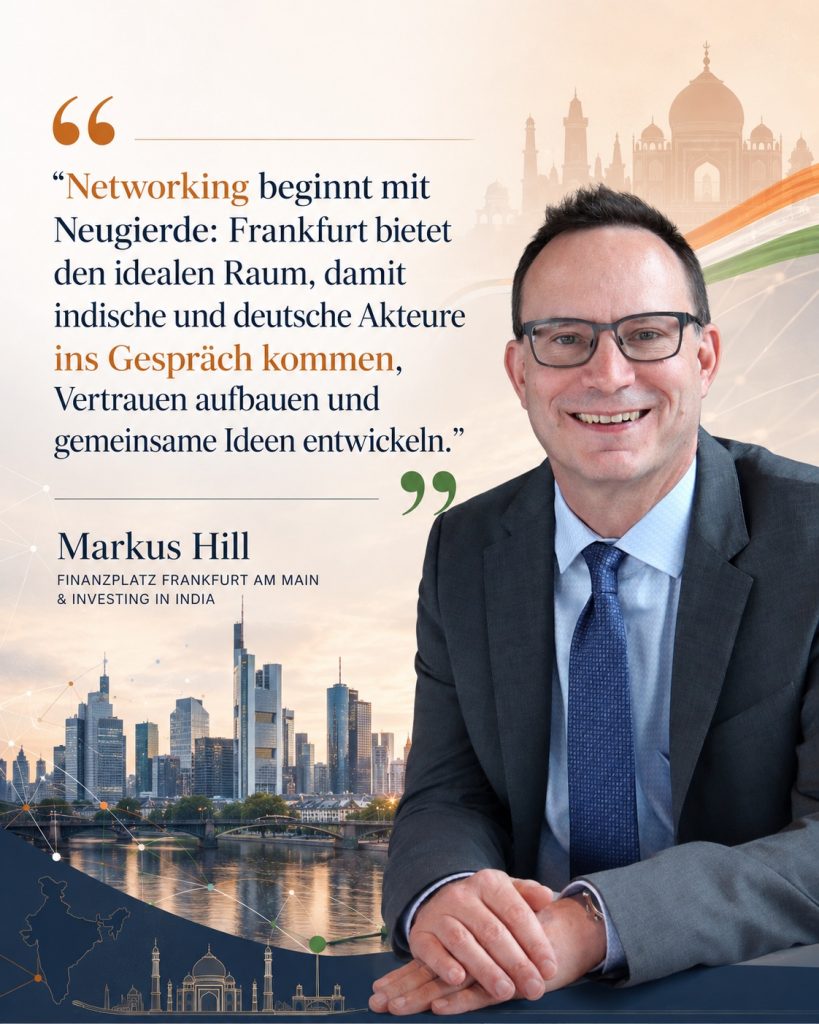
FRANKFURT AS A FINANCIAL CENTER, GERMANY & INDIA: Frankfurt as a Bridge for Business, Innovation, and Community (Interview – Ajit Ranade, INDIA EUROPE BUSINESS DESK)

India, Germany, and Europe are growing increasingly closer economically, technologically, and culturally. Frankfurt am Main plays a special role in this context as an international financial center, transportation hub, and home to a large Indian community. The India-Europe Business Day will take place again this year. On June 13, 2026, there will be an opportunity to exchange ideas in the Main metropolis. In conversation with Markus Hill, Ajit Ranade of INDIA EUROPE BUSINESS DESK explains why he has been committed to fostering ties between India and Germany for years, which industries will be particularly interesting in the future, and why Frankfurt serves as a natural springboard to Germany for many Indian entrepreneurs, professionals, and students.

Hill: Why are you so deeply committed to cooperation between India and Germany?

Ranade: Personally, I am convinced that India and Germany are natural partners and friends. Both countries share many values, complement each other’s strengths, and have learned from one another over many years.

I have been living in Germany and Europe for more than a decade and have been active in various social, cultural, and civic initiatives during this time. I have also organized numerous events and have been involved in Frankfurt’s local politics in the past. Through these experiences, I have repeatedly observed that India and Germany share a strong, positive relationship characterized by mutual respect, trust, and interest in one another.

From an economic perspective, the opportunities are enormous, too. The number of Indian professionals and students in Germany is growing steadily. At the same time, both countries have much to offer each other in trade, investment, innovation, and exchanges between people, companies, and institutions.

It is precisely this conviction that drives my support for platforms such as the India Europe Business Day. Their purpose is to bring together companies, experts, policymakers, and community representatives to foster connections that can develop into long-term collaborations.”

I also have a special personal connection: I come from Pune, a city often referred to as the “German capital of India.” Pune has long maintained close ties with Germany. German language instruction began there more than a century ago, and today numerous German and European companies are represented in the region. During my professional career in Pune, particularly between 2005 and 2012, I was able to observe firsthand how German Global Capability Centers and German investments in India have grown.

These experiences have greatly shaped my appreciation for the Indo-German partnership. They continue to motivate me to this day to do my small part to further strengthen this relationship through economic, cultural, and social engagement.

Hill: In which fields do you see the greatest potential for cooperation between India and Germany in the coming years?

Ranade: Traditional sectors such as the automotive industry, automotive suppliers, pharmaceuticals, life sciences, mechanical engineering, engineering, and industrial equipment have formed the backbone of economic cooperation between India and Germany for many years. In these areas, there is already a strong foundation that has grown over decades. At the same time, I also see considerable potential for growth, deepening, and new forms of cooperation in these sectors.

In my view, the defense sector is a particularly interesting field. India and Germany have begun to cooperate more closely in this area in recent years. We are already seeing important agreements and strategic partnerships between companies and institutions in both countries. This sector could become significantly more important in the future.

Another field with great potential is textiles and leather. India is known worldwide for the quality, scale, and efficiency of its textile industry. Countries like Germany and Italy, in turn, possess highly advanced manufacturing technologies. Technical textiles, in particular, therefore offer great opportunities: here, Indian production expertise and European technological and innovative strength can come together in a very meaningful way.

The leather industry also offers opportunities for knowledge transfer, technological modernization, and improved market access on both sides.

Furthermore, I see tremendous opportunities in startups and innovation-driven companies. German and Indian startups can learn a great deal from one another. Germany stands for engineering excellence, research, precision, and industrial quality. India brings enormous strengths in scaling, digital innovation, and entrepreneurship. When these capabilities are combined, solutions can emerge that are internationally competitive and create benefits for both sides.

Other key future sectors include semiconductors, energy, sustainability, advanced manufacturing, and technological innovation. Overall, the future of Indo-German cooperation lies not only in further strengthening traditional industries but also in systematically expanding new sectors such as defense, technical textiles, sustainable technologies, startups, and innovation-oriented business models.

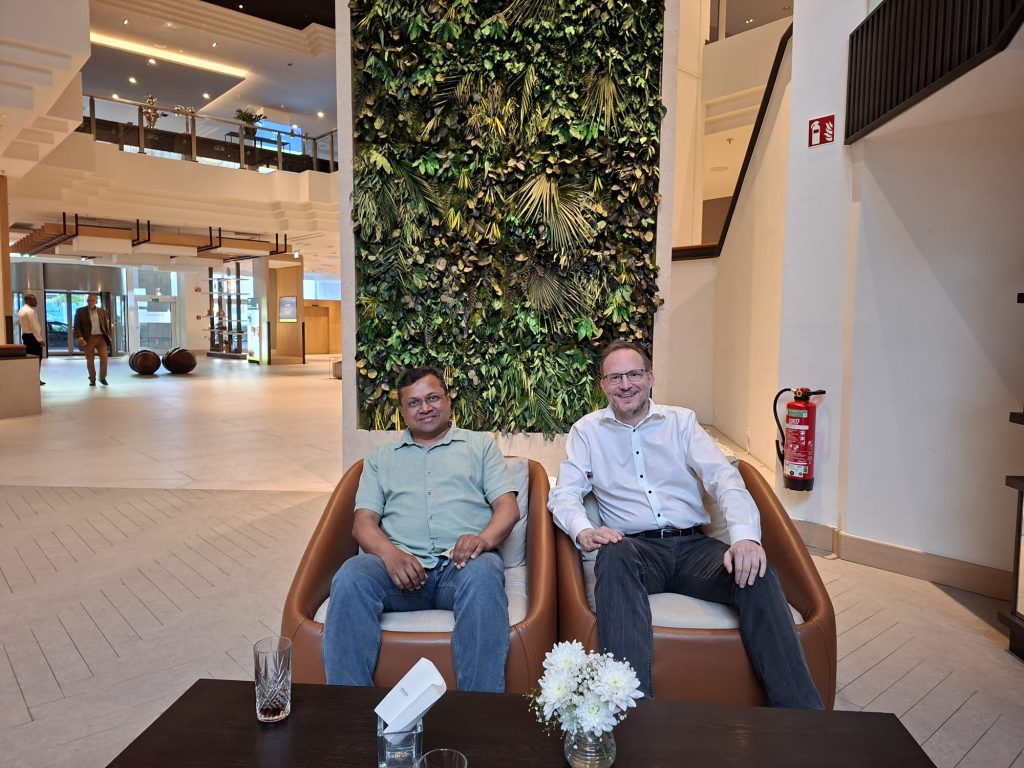
Ajit Ranade, India Europe Business Desk & Markus Hill, Finanzplatz Frankfurt am Main

Hill: What significance does Frankfurt hold as a bridge between India and Germany?

Ranade: Frankfurt is a very interesting city. Although Frankfurt is only the fifth-largest city in Germany, it plays an extraordinarily important role as the headquarters of the European Central Bank, as the location of many international banks, and as one of Europe’s most significant financial centers.

The city has been home to a large Indian community for decades. Frankfurt is also considered very open and welcoming, especially for expats. Many people feel safe, welcome, and well-integrated here. Unlike some more traditional German cities, Frankfurt has a very international character. People from many nations live and work here, numerous languages are spoken, and this cultural diversity makes the city lively, dynamic, and global.

Another key advantage is its connectivity. Frankfurt Airport is one of Europe’s most important passenger and cargo hubs. For many Indians, Frankfurt is their first point of arrival in Germany. A significant portion of travelers from India come to Germany via Frankfurt. Thanks to excellent flight connections, major Indian cities like Mumbai or Delhi can be reached in about eight to nine hours. This creates a special closeness to India that many people greatly appreciate.

Added to this is its central location within Germany and Europe. Whether traveling north, south, east, or west—many destinations are easily and quickly accessible from Frankfurt. This combination of internationality, economic significance, strong infrastructure, good accessibility, and an open atmosphere makes Frankfurt a special place to live, work, and build connections between India and Germany.

Hill: Thank you very much for the interview. We at FINANZPLATZ FRANKFURT AM MAIN and INVESTING IN INDIA are happy to support your interesting initiative. A special thank you to Andreas Heuberger, who brought your initiative to our attention. We look forward to welcoming you again in Frankfurt for more stimulating discussions.

Information about the India-Europe Business Day 2026 (June 13, 2026):

www.conference.iebd.eu

Dialogue & Information:

FINANZPLATZ FRANKFURT AM MAIN on LINKEDIN – CHANNEL

FINANZPLATZ FRANKFURT AM MAIN on LINKEDIN – GROUP

FUND BOUTIQUES on LINKEDIN – CHANNEL

FINANZPLATZ-FRANKFURT-MAIN.DE, DACHLI Region & FONDSBOUTIQUEN.DE (2026) – Topics, Interests, Dialogue (Selection & “Snapshots”)

February 25, 2026, Frankfurt – “Frankfurt am Main Financial Center Meets Wealth Management”

(Markus Hill – Moderators: Christian Neuhaus – FINVIA, Sven Karkossa – Capitell Vermögens-Management AG, Noel Zeh – Wunderland Capital)

February 26, 2026, Frankfurt – “Forum for Digital Assets (FDV)”

Editorial Team – Special Feature “Frankfurt am Main Financial Center Meets Wealth Management & Digital Assets”

(Interviews / Guest Contributions, “Support” & MORE: info: markus-hill.com)

March 17, 2026, Frankfurt – Private Markets Excellence Forum – “Private Markets, Family Offices & Foundations – Due Diligence & Outlook 2026”

(Markus Hill – Fireside Chat: J. Paulo Dos Santos – Managing Director, VIRATIO GmbH)

Interview with Christian Hommens – SMART IMPACT INVESTING & PRIVATE MARKETS

Spring 2026Investor Study “Preferences of Institutional Investors in Real Estate & Alternative Investments”

(Markus Hill – Moderator, Podcast: Sebastian Thürmer, “artis & x” – Example 2025)

April 16, 2026 – “köln let’s talk” – Bettina Timmler – Real Estate & Dialogue

(Media partnership)

May 12, 2026, Frankfurt: “Value Investing & Commodities & MORE”

(Markus Hill – Moderator & Short Introduction “Fund Boutiques & the U.S. Formula” – Alex J. Rauschenstein & Urs Marti, SIA FUNDS AG – FINANCIAL CENTER SWITZERLAND)

June 17, 2026, Zurich: Insights – “Family Offices & Fund Boutiques” – The Mountain Talks Summit – FUNDPLAT

(Presentation – Markus Hill)

November 10, 2026, Frankfurt: “Frankfurt am Main Financial Center Meets Liechtenstein Financial Center”

(Markus Hill – Moderator – LAFV Liechtenstein Investment Fund Association: Panel & Presentations)

Input, ideas, and suggestions on the above topics are welcome:

info@markus-hill.com / +49 (0) 163 4616 179

Photo: Pixabay

FRANKFURT FINANCIAL CENTER & SWISS FINANCIAL CENTER: Digital Assets, Artificial Intelligence, Wealth Management, PKN – Private Key Network & Exchange of Ideas in Zurich (INTERVIEW – Markus Schwingshackl, Centro LAW)

“Our goal is to build a lasting network in the field of digital assets based on trust, expertise, and collaboration across national and professional boundaries.”

The intersections between traditional wealth management, digital assets, and international wealth structuring continue to gain significance. Entrepreneurs, family offices, and high-net-worth individuals, whose assets derive wholly or partly from the digital assets sector, are facing questions that go far beyond mere portfolio allocation: regulation, custody, asset protection, liquidity, succession, and the selection of a reliable financial center are coming more into focus. In an interview with FINANZPLATZ FRANKFURT, Markus Schwingshackl, an attorney and founder of Centro LAW in Zurich, explains why the Swiss financial center plays a special role in this context. It’s about combining innovative strength with legal certainty, addressing the needs of new generations of wealth, and the Private Key Network (PKN), which aims to bring together experts in private wealth, digital assets, and artificial intelligence on an international level. A dialogue on financial centers, trust, specialized knowledge, and new forms of collaboration in wealth management.

Hill: What does the Swiss financial center stand for in the field of digital assets?
Schwingshackl: In the field of digital assets, the Swiss financial center stands for specialized wealth management within an institutionally reliable framework. Over the years, a comprehensive range of services has developed, as it was recognized early on that digital assets are not merely a portfolio allocation for a growing number of entrepreneurs and investors, but often form the foundation of their wealth.
Trading, custody, lending, and staking are offered worldwide in a wide variety of forms, but the reliability of the regulatory framework varies just as much. This is precisely where Switzerland comes in, by combining innovation with legal certainty.
In addition to security, the performance and innovative strength of the infrastructure, transaction processing, and the generation of liquidity and returns also play a role in determining where wealth management strategies are implemented. Switzerland can draw on its leading expertise in international wealth management. This is complemented by a long-term perspective, particularly through the inclusion of wealth transfer to the next generation, which is becoming increasingly important as digital assets become a permanent component of wealth.
This creates a blend of traditional and modern wealth management that takes into account the specific volatility and liquidity aspects. Additionally, the Swiss financial center is characterized by the close and seamless collaboration among various service providers—a decisive factor in solving complex, client-specific problems even in niche areas.

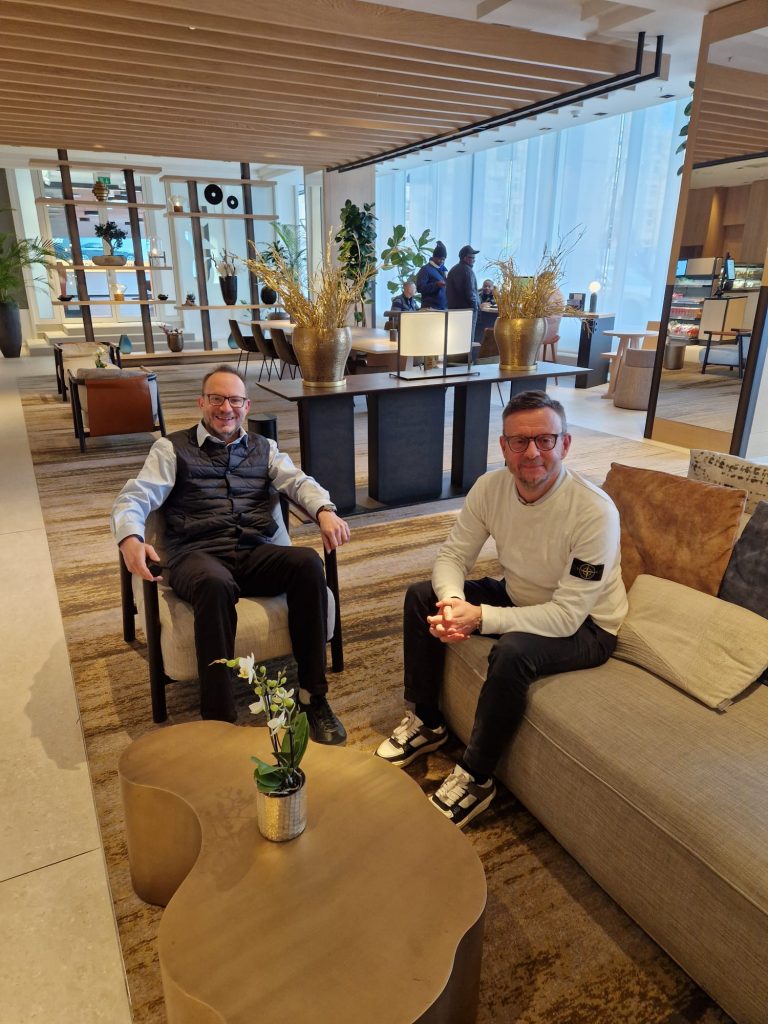
Markus Hill & Markus Schwingshackl, Centro LAW

Hill: What are the specific challenges for asset owners regarding digital assets?
Schwingshackl: The central issue remains regulation. Despite the progress made in recent years, entrepreneurs in this sector continue to face significant risks. For asset owners, the location of custody and the ownership structure employed are key elements that must also be considered from a regulatory perspective to ensure the security of digital assets. Accordingly, asset protection is regularly high on the wealth planning agenda for both groups.
Furthermore, some of the challenges are similar to those faced by traditional asset owners. The current macroeconomic situation appears to be driving a search for stability to manage risks. International mobility has also gained in importance, and people are consciously preparing for potential developments such as trade conflicts, geopolitical tensions, rising inflation, or a recession. In the current environment, correlations between asset classes are also being reassessed and strategic orientations reviewed.
Ultimately, it can be summarized as follows: Whether traditional or digital—entrepreneurs and wealth holders want to preserve and protect their wealth. The speed of change requires agility and new approaches to wealth management from all stakeholders.

Hill: Speaking of new approaches to wealth management, you’ve founded a network in the digital assets sector. What’s that all about?
Schwingshackl: The Private Key Network is an association of experts in the field of private wealth with a focus on digital assets and artificial intelligence. Over the years, the paths of international specialists in this niche have crossed time and again. Together with my co-founders, we actively promote exchange and collaboration to develop new approaches in wealth management.
Already, several hundred million people worldwide own digital assets, either directly or indirectly. A growing proportion of these individuals are considered high-net-worth. It is precisely this group that needs reliable, cross-border wealth management solutions, such as those our members are developing.
Our goal is to build a sustainable network in the field of digital assets based on trust, expertise, and collaboration across national and disciplinary boundaries. We recently held our first meeting in London and are planning the next event in June in Zurich. We deliberately keep the group of participants small, as relevance, not size, is our priority. In this way, perspectives from different disciplines come together to address specific issues.
Following our successful launch in Europe, we aim to expand to other regions in the medium term, particularly the U.S. Anyone with in-depth expertise, a collaborative attitude, and a passion for innovation is welcome to contact us.

Hill: I look forward to seeing you soon at your second PKN event on June 1 in Zurich and to the presentation by Adam Hayes from the Lucerne University of Applied Sciences and Arts (HSLU). Thank you very much for the interview.

Dialogue & Information:

FINANZPLATZ FRANKFURT AM MAIN on LINKEDIN – CHANNEL

FINANZPLATZ FRANKFURT AM MAIN on LINKEDIN – GROUP

FUND BOUTIQUES on LINKEDIN – CHANNEL

FINANZPLATZ-FRANKFURT-MAIN.DE, DACHLI Region & FONDSBOUTIQUEN.DE (2026) – Topics, Interests, Dialogue (Selection & “Snapshots”)

February 25, 2026, Frankfurt – “Frankfurt am Main Financial Center Meets Wealth Management”

(Markus Hill – Moderators: Christian Neuhaus – FINVIA, Sven Karkossa – Capitell Vermögens-Management AG, Noel Zeh – Wunderland Capital)

February 26, 2026, Frankfurt – “Forum for Digital Assets (FDV)”

Editorial Team – Special Feature “Frankfurt am Main Financial Center Meets Wealth Management & Digital Assets”

(Interviews / Guest Contributions, “Support” & MORE: info: markus-hill.com)

March 17, 2026, Frankfurt – Private Markets Excellence Forum – “Private Markets, Family Offices & Foundations – Due Diligence & Outlook 2026”

(Markus Hill – Fireside Chat: J. Paulo Dos Santos – Managing Director, VIRATIO GmbH)

Interview with Christian Hommens SMART IMPACT INVESTING & PRIVATE MARKETS

Spring 2026: Investor Study “Preferences of Institutional Investors in Real Estate & Alternative Investments”

(Markus Hill – Moderator, Podcast: Sebastian Thürmer, “artis & x” – Example 2025)

April 16, 2026 – “köln let’s talk” – Bettina Timmler – Real Estate & Dialogue

(Media partnership)

May 12, 2026, Frankfurt: “Value Investing & Commodities & MORE”

(Markus Hill – Moderator & Short Introduction “Fund Boutiques & the U.S. Formula” – Alex J. Rauschenstein & Urs Marti, SIA FUNDS AG – FINANCIAL CENTER SWITZERLAND)

June 17, 2026, Zurich: Insights – “Family Offices & Fund Boutiques” – The Mountain Talks Summit – FUNDPLAT

(Presentation – Markus Hill)

November 10, 2026, Frankfurt: “Frankfurt am Main Financial Center Meets Liechtenstein Financial Center”

(Markus Hill – Moderator – LAFV Liechtenstein Investment Fund Association: Panel & Presentations)

Input, ideas, and suggestions on the above topics are welcome:

info@markus-hill.com / +49 (0) 163 4616 179

Photo: Pixabay

SOURCE: IPE D.A.CH


FINANZPLATZ FRANKFURT & IDEEN: „Finanzplatz Frankfurt am Main meets Wealth Management“ & „Forum für digitale Vermögenswerte“ – Veranstaltung (SNAPSHOT – Markus Hill)

Input, Ideen & Anregungen: Welche Themen könnten auf den beiden Panel-Diskussionen zusätzlich angesprochen werden?

Frankfurt stellt ein interessantes Ökosystem für Family Offices, Vermögensverwaltungen, Startups und Fondsboutiquen im liquiden und nicht-liquiden Bereich da (Alternative Investments). FINANZPLATZ-FRANKFURT-MAIN unterstützt auch in diesem Jahr wieder das „Forum für digitale Vermögenswerte“ (FDV – Manuel Müller & Samir Zakaria) im Bereich Kommunikation und in der fachlichen Begleitung von zwei Panel-Formaten.

„Finanzplatz Frankfurt am Main meets Wealth Management“ (25.2.2026)

Auch in diesem Jahr gibt es wieder ein Event am Vorabend des „Forum für digitale Vermögenswerte“. Im letzten Jahr hatten wir uns mit dem Thema „Family Offices, Asset Allocation & Financial Education“ beschäftigt. Wir bedanken uns an dieser Stelle nochmals ausdrücklich bei den damaligen Panelisten für den interessanten Gedankenaustausch in Frankfurt: Dr. Henning Schöer (FIDUBONUM), Peter Preller (HQ Trust) und Reiner Konrad (Focam AG).

Am 25.Februar wollen wir diesmal etwas stärker mit dem Themenbereich „Family Offices, Vermögensverwaltung, Next Gen sowie Startups & Venture Capital – Ökosystem Hessen & Europa“ beschäftigen. Warum ist dieses Thema so interessant und schlägt auch in andere Gebiete interessante Brücken? Viele Family Offices und Vermögensverwalter (konzerngebunden / unabhängig – „Boutiquen“) beschäftigen sich bei der Betreuung vermögender Kunden intensiv mit dem Thema NexGen (Next Generation, Nachfolge, Digital Affluents & MORE). Diese junge Generation spricht in der Regel eine völlig andere Sprache als die traditionelle Klientel im Wealth Management: „Gesetzt, senior, gealtert und nicht unbedingt digital-affin“ (Zitat eines Family Officers aus Frankfurt, der an dieser Stelle nicht namentlich genannt werden wollte). In den Fokus bei der Betreuung größerer Vermögen geraten hier zunehmend auch Kunden im Bereich Nachfolge „TRADITIONELL“ oder auch aus dem Segment „SELFMADE“.

Welche Themen könnten angesprochen werden an diesem Abend? Einige Dinge wurden oben schon eingangs erwähnt. Natürlich werden Christian Neuhaus (Finvia) und Sven Karkossa (Capitell AG) aus der Sicht des Wealth Management berichten. Interessant ist, dass natürlich auch im Bereich der Family Offices (SFO & MFO) mittlerweile ein Generationswechsel eintritt. Auch diese Häuser stellen sich neu auf, ebenso wie es mittlerweile viele unabhängige Vermögensverwalter gibt, die um den jungen Nachwuchs werben. Next Gen, Startups, Venture Capital & Ökosysteme – hier wird Noel Zeh (Wunderland Capital) als VC-Dachfondsmanager mit „Startup-Seeding“ einer hessischen Volksbank zusätzliche Impulse im Gespräch geben: Wie verkauft man ein Startup? Welche Erwartungen haben junge Unternehmer mit Technologie-Affinität an die Finanzindustrie? Was ist bei der Due Diligence von Venture Capital Fonds zu beachten? Warum sollte Deutschland sich der eigenen Stärken im Bereich Technologie & Investments bewusst werden? Wer sollte mit wem in welchem Ökosystem sprechen? Was verbindet Deutschland im Zusammenhang mit Seeding von Technologie mit Europa, im Gegensatz zu den USA? etc.

Die Diskussion möchte zum Nachdenken anregen, im Vorfeld entstehen oft die interessantesten Gedanken: Wo steht die Vermögensverwaltung? Welche Investments sind interessant in den nächsten Jahren? Was bringt die Nex Gen ein für den Standort Frankfurt, Hessen und Europa? Wer müsste eigentlich mit wem sprechen, nicht nur am Finanzplatz Frankfurt? Input, Ideen & Anregungen sind immer willkommen: info@markus-hill.com / +49 (0) 1634616 179

Manuel Müller (FDV) & Markus Hill (Finanzplatz Frankfurt)

Information zur Veranstaltung „Forum für digitale Vermögenswerte“ (FDV)

PS: Aus der langjährigen Zusammenarbeit mit einem Schweizer Asset Manager im Bereich „Value Investing & Rohstoffe“ wissen wir, dass das Thema PROZYLKLISCHES & ANTIZYLKLISCHES INVESTIEREN immer zu spannenden Gesprächen führt – wir freuen uns auf hier auf ein spannendes Panel am 26.2.2026. Auch dieses Thema wird nochmals vertieft erörtert. Vielleicht in dem Themen-Special „FINANZPLATZ FRANKFURT meets WEALTH MANAGEMENT & DIGITAL ASSETS“. Natürlich sind auch hier Input, Ideen & Anregungen immer willkommen.Es könnte ja sein, dass sich auch zwischen beiden Panel-Themen fachlich durchaus Bezüge herstellen lassen.

PPS: Das Thema Family Offices schlägt oft auch Brücken in andere Bereiche. Wir freuen uns auch auf den Fireside Chat am 17. März zum Thema „Private Markets, Family Offices, Stiftungen – Due Diligence & Herausforderungen für 2026“ bei der Veranstaltung von Christian Hommens (Smart Bridges GmbH). In dem Gespräch mit J. Paulo M.dos Santos (VIRATIO) wird es auch um den Einsatz von Alternative Investments bei Stiftungen gehen, ebenso wie um die Bedeutung von Asset Manager-Selection und Anlagerichtlinien (Case Study). Auf der Veranstaltung PRIVATEMARKETS_ONE war Lukas Bennmann, ein Kollege von Noel Zeh (Wunderland Capital), am 2.2.2026 Moderator bei einem Panel, bei dem FERI, KfW, Joachim Hert Stiftung und eine Sparkasse jeweils Panelisten waren. Auch hier entstand der Eindruck, das der Bereich Venture Capital sehr viel mit Knowhow, Geduld & auch Moderation von Erwartungen gegenüber der Investorenseite erfordert.

Information zur Veranstaltung „PRIVATE MARKETS EXCELLENCE FORUM“

Dialog & Information:

FINANZPLATZ FRANKFURT AM MAIN auf LINKEDIN – KANAL

FINANZPLATZ FRANKFURT AM MAIN auf LINKEDIN – GRUPPE

FONDSBOUTIQUEN auf LINKEDIN – KANAL

FINANZPLATZ-FRANKFURT-MAIN.DE, DACHLI-Region & FONDSBOUTIQUEN.DE (2026) – Themen, Interessen, Dialog (Auswahl & „Snapshots“)

25.2.2026, Frankfurt – „Finanzplatz Frankfurt am Main meets Wealthmanagement“

(Markus Hill – Moderation: Christian Neuhaus – FINVIA, Sven Karkossa – Capitell Vermögens-Management AG, Noel Zeh – Wunderland Capital)

26.2.2026, Frankfurt – „Forum für Digitale Vermögenswerte (FDV)“

Redaktion – Themenspecial „Finanzplatz Frankfurt am Main meets Wealthmanagement & Digital Assets“

(Interviews / Gastbeiträge, “Support” & MORE: info: markus-hill.com)

17.3.2026, Frankfurt – Private Markets Excellence Forum – „Private Markets, Family Offices & Stiftungen – Due Diligence & Ausblick 2026”

(Markus Hill – Fireside Chat: J. Paulo Dos Santos – Geschäftsführer, VIRATIO GmbH)

Interview mit Christian Hommens  SMART IMPACT INVESTING & PRIVATE MARKETS

Frühjahr 2026Investorenstudie „Präferenzen institutioneller Investoren bei Immobilien & Alternative Investments“

(Markus Hill – Moderation, Podcast: Sebastian Thürmer, “artis & x” – Beispiel 2025)

16.4.2026 – „köln let’s talk“ – Bettina Timmler – Immobilien & Dialog

(Medienpartnerschaft)

12.5.2026, Frankfurt: „Value Investing & Rohstoffe & MORE“

(Markus Hill – Moderation & Kurzintro „Fondsboutiquen & USA-Formel“ – Alex J. Rauschenstein & Urs Marti, SIA FUNDS AG – FINANZPLATZ SCHWEIZ)

17.6.2026, Zürich: Insights – “Family Offices & Fondsboutiquen” – The Mountain Talks Summit – FUNDPLAT

(Vortrag – Markus Hill)

10.11.2026, Frankfurt: „Finanzplatz Frankfurt am Main meets Finanzplatz Liechtenstein“

(Markus Hill – Moderation – LAFV Liechtensteinischer Anlagefondsverband: Panel & Vorträge)

Input, Ideen & Anregungen zu den oben genannten Themen sind willkommen:

info@markus-hill.com / +49 (0) 163 4616 179

FOTO: Marcus Kieser

FINANZPLATZ FRANKFURT & DIALOG: Impact Investing & Private Markets – Family Offices & Institutionelle, Infrastruktur, Private Equity, Private Debt, Digital Assets, Ökosystem Frankfurt & MORE – Veranstaltung (INTERVIEW – Christian Hommens, Smart Bridges GmbH)

Impact Investing ist mehr als ein Etikett. Gerade in den Private Markets wird Wirkung zunehmend zur strategischen Kategorie – für Family Offices ebenso wie für institutionelle Investoren. Markus Hill spricht für FINANZPLATZ-FRANKFURT-MAIN.DE mit Christians Hommens über die kritischen Erfolgsfaktoren in diesem Investmentsegment und über die Bedeutung des fachlichen Dialogs zwischen Experten. Impact Messung, Impact Infrastructure, Private Equity, Sustainibility & Investing, Private Debt – diese und andere Themen bilden die Grundlage für den Gedankenaustausch im März im Rahmen einer Fachkonferenz (SMART IMPACT INVESTING & PRIVATE MARKETS). Unterstrichen wird die Bedeutung des Ökosystems Frankfurt für Themen wie Investment, Entscheidung und Regulierung in diesen Bereichen.

Hill: Impact Investing gilt oft als „nice to have“. Wo sehen Sie heute einen echten strukturellen Wandel – gerade in den Private Markets?

Christian Hommens, Smart Bridges GmbH & Markus Hill Finanzplatz Frankfurt

Hommens: Impact Investing entwickelt sich klar vom Zusatzthema zur strategischen Kernfrage. In den Private Markets erkennen Family Offices und institutionelle Investoren zunehmend, dass langfristige Rendite, Resilienz und Wirkung zusammengehören. Infrastruktur, Private Equity oder Private Credit ermöglichen es, Kapital gezielt einzusetzen – mit messbarem Impact und gleichzeitigem Wertschöpfungspotenzial. Wirkung wird damit zum Qualitätsmerkmal, nicht zum Kompromiss.

Hill: Wo scheitern Investoren in der Praxis – und warum lohnt sich der Austausch bei Smart Bridges?

Hommens: Schwer zu sagen, aber drei Punkte sehen wir immer wieder: fehlende Impact-Messbarkeit, unklare Governance-Strukturen und begrenzter Zugang zu überzeugendem Dealflow. Genau hier setzt unser Forum an. Wir bringen Investoren, Praktiker und Lösungsanbieter zusammen – nicht theoretisch, sondern praxisnah, interaktiv und auf Augenhöhe.

Hill: Welche Themen stehen konkret im Fokus der beiden Tage?

Hommens: Von Impact-Messung über soziale Wirkung bis hin zu Impact Infrastructure. Und natürlich werden Private Equity und Sustainable Portfolio Design genauer betrachtet – ergänzt durch Themen wie Private Credit, Infrastruktur, regulatorische Anforderungen und neue Strukturierungsmodelle. Immer mit Blick auf die Frage: Wie lässt sich Wirkung sinnvoll in Portfolios integrieren, ohne die Performance aus dem Blick zu verlieren?

Hill: Warum ist Frankfurt/Hessen der richtige Ort – und warum gerade jetzt?

Hommens: Frankfurt und Hessen vereinen Kapital, Entscheidungskompetenz und regulatorische Nähe. In einem Umfeld zunehmender Unsicherheit suchen Investoren nach Orientierung und langfristigen Lösungen. Die Verbindung von Impact Investing und Private Markets ist dafür hochrelevant – und unsere Region der ideale Ort für diesen Dialog.

Hill: Vielen Dank für das Gespräch. Ich freue mich auf den Fireside Chat am 17.2.2026 („Family Offices & Stiftungen“, Impact Investing) und auf die Gespräche vor Ort.

Information zur Veranstaltung „SMART IMPACT INVESTING EXCELLENCE FORUM“

Information zur Veranstaltung „PRIVATE MARKETS EXCELLENCE FORUM

Dialog & Information:

FINANZPLATZ FRANKFURT AM MAIN auf LINKEDIN – KANAL

FINANZPLATZ FRANKFURT AM MAIN auf LINKEDIN – GRUPPE

FONDSBOUTIQUEN auf LINKEDIN – KANAL

FINANZPLATZ-FRANKFURT-MAIN.DE, DACHLI-Region & FONDSBOUTIQUEN.DE (2026) – Themen, Interessen, Dialog (Auswahl & „Snapshots“)

25.2.2026, Frankfurt – „Finanzplatz Frankfurt am Main meets Wealthmanagement“

(Markus Hill – Moderation: Christian Neuhaus – FINVIA, Sven Karkossa – Capitell Vermögens-Management AG, Noel Zeh – Wunderland Capital)

26.2.2026, Frankfurt – „Forum für Digitale Vermögenswerte (FDV)“

Redaktion – Themenspecial „Finanzplatz Frankfurt am Main meets Wealthmanagement & Digital Assets“

(Interviews / Gastbeiträge, “Support” & MORE: info: markus-hill.com)

17.3.2026, Frankfurt Private Markets Excellence Forum – „Private Markets, Family Offices & Stiftungen – Due Diligence & Ausblick 2026”

(Markus Hill – Fireside Chat: J. Paulo Dos Santos – Geschäftsführer, VIRATIO GmbH)

Interview mit Christian Hommens SMART IMPACT INVESTING & PRIVATE MARKETS

Frühjahr 2026: Investorenstudie „Präferenzen institutioneller Investoren bei Immobilien & Alternative Investments“

(Markus Hill – Moderation, Podcast: Sebastian Thürmer, “artis & x” – Beispiel 2025)

16.4.2026 – „köln let’s talk“ – Bettina Timmler – Immobilien & Dialog

(Medienpartnerschaft)

12.5.2026, Frankfurt: „Value Investing & Rohstoffe & MORE“

(Markus Hill – Moderation & Kurzintro „Fondsboutiquen & USA-Formel“ – Alex J. Rauschenstein & Urs Marti, SIA FUNDS AG – FINANZPLATZ SCHWEIZ)

17.6.2026, Zürich: Insights – “Family Offices & Fondsboutiquen” – The Mountain Talks Summit – FUNDPLAT

(Vortrag – Markus Hill)

10.11.2026, Frankfurt: „Finanzplatz Frankfurt am Main meets Finanzplatz Liechtenstein“

(Markus Hill – Moderation – LAFV Liechtensteinischer Anlagefondsverband: Panel & Vorträge)

Input, Ideen & Anregungen zu den oben genannten Themen sind willkommen:

info@markus-hill.com / +49 (0) 163 4616 179

Foto: Pixabay

FINANZPLATZ FRANKFURT & NETWORKING: Ein Franke in Frankfurt, Weissbier, Tatort & REAL ESTATE INVESTMENT DAY – 13.5.2025 (INTERVIEW – Jochen Goetzelmann, Targa Communications GmbH)

Ein Franke in Frankfurt, Internationalität, Trends in der Immobilienbranche und der aktuelle REAL ESTATE INVESTMENT DAY am 13.5.2025 – Markus Hill sprach für FINANZPLATZ FRANKFURT AM MAIN mit Jochen Goetzelmann, Managing Director (Targa Communications GmbH) über die Vorzüge der Mainmetropole und Möglichkeiten zum qualifizierten Gedankenaustausch und Networking im Immobilien-Segment. Infrastruktur, Erneuerbare Energien und Künstliche Intelligenz waren ebenso Thema des Gespräches wie der REAL ESTATE FINANCE DAY im Herbst 2025.

Hill: Was gefällt Ihnen an Frankfurt?

Goetzelmann: Nach über 20 Jahren in Frankfurt fühlt sich der Franke hier inzwischen ziemlich zuhause. Irgendwann war klar, dass es mich als ehrgeizigen Jungbanker nach Frankfurt verschlagen würde – spätestens, als ich als Zweiter aus der Dresdner Bank-Niederlassung Nürnberg an die Hochschule für Bankwirtschaft durfte. Begeisterung sah damals anders aus. Wenn man aus dem gemütlichen Würzburg kommt, steht Frankfurt mit seinem ersten Eindruck nicht ganz oben auf der Wunschliste. Mein täglicher Weg zur damaligen HfB (heute: Frankfurt School of Finance) führte durch die Kaiserstraße, Mittagessen im Silvertower – nicht gerade die Ecke, die einem die Stadt schmackhaft macht. Junkies, die sich im Hauseingang einen Schuss setzen, kannte ich bis dahin nur aus dem Tatort (von dem ich übrigens kaum eine Folge verpasse – nur um mich dann in 80 Prozent der Fälle zu ärgern, dass ich ihn schlecht fand).

Markus Hill (FINANZPLATZ FRANKFURT AM MAIN) & Jochen Goetzelmann (Targa Communications) – REID 2024

Dass ich doch geblieben bin, lag an einer ziemlich tollen Altbauwohnung in der Morgensternstraße, von der mir ein Kollege vorgeschwärmt hatte – ich wollte sie mir eigentlich gar nicht leisten. Aber die Aussicht, statt zwei Stunden mit Auto und Bahn nur noch 15 Minuten zu Fuß zur Arbeit zu brauchen, war dann doch zu verlockend.

Am Anfang habe ich auf die Frage, was mir an Frankfurt gefällt, oft reflexartig die Verkehrsanbindung genannt. Autobahn, Flughafen, alles da. Und klar, die Standardantwort ließ nicht lange auf sich warten: „Aha, das Beste an Frankfurt ist also, dass man schnell wieder wegkommt?“ Fair enough – aber die Anbindung bleibt ein echtes Asset. In unserer Branche hat ja sowieso jeder irgendwann mal was in Frankfurt zu tun, da spart man sich viele Reisen.

Was ich heute an der Stadt mag? Sie ist kompakt, international, überraschend grün. Seit ich Pádel spiele, merke ich, wie viele Nationalitäten sich hier tummeln – und wie schnell man neue Leute kennenlernt. Es gibt genug Restaurants, in die ich gerne (und regelmäßig) gehe. Inzwischen wissen auch die meisten Kellner, was ein Weißbier ist. Ich habe hier meine Frau kennengelernt, unser Freundeskreis ist hier oder von hier gut erreichbar. Manchmal wünsche ich mir, Frankfurt läge am Meer – aber davon abgesehen lebe ich gern „im Herzen von Europa“.

Hill: Welche Themen bewegen die Immobilienbranche gegenwärtig?

Goetzelmann: Was die Immobilienbranche im Moment am stärksten beschäftigt? Ganz klar: geopolitische Unsicherheiten und ihre Auswirkungen auf die Kapitalmärkte. Viele institutionelle Investoren agieren deutlich vorsichtiger, Planungshorizonte werden kürzer, Risikoprämien steigen spürbar. Die Gefahr einer Rückkehr der Inflation, vielleicht sogar einer Stagflation, ist real und wird ernst genommen.

Zinsen spielen in diesem Umfeld natürlich eine zentrale Rolle, aber nicht als singuläres Thema. Finanzierungen sind heute schwieriger zu strukturieren, Covenants restriktiver, konservativer. Ohne tragfähige Finanzierung bleibt die Transaktionsdynamik begrenzt. Zusätzlich erschwert die anhaltende Preisdiskrepanz zwischen Verkäufer- und Käufererwartungen den Abschluss vieler Deals.

Büroimmobilien stehen weiter unter Druck. Nutzeransprüche ändern sich rasant, und die Nachfrage konzentriert sich zunehmend auf flexible, hochwertige und zukunftsfähige Flächen. Für viele Bestandsobjekte wird es ohne substanzielle Investitionen in Qualität, Lage und ESG-Standards schwer. Parallel dazu sehen wir erste echte Bewegungen hin zu alternativen Nutzungskonzepten: Konversionen, Mischnutzungen, adaptive Re-Use-Strategien. Es entstehen spannende Schnittstellen, insbesondere im Bereich Infrastruktur und Erneuerbare Energien – etwa bei der Integration von Ladeinfrastruktur, Energieversorgung oder neuen Mobilitätskonzepten in Immobilienprojekte.

Ein weiterer massiver Treiber ist der rasante Fortschritt bei Künstlicher Intelligenz. KI bietet enorme Chancen. Die Geschwindigkeit, mit der sich diese Technologien entwickeln, wird uns alle zwingen, Innovationen nicht nur zu adaptieren, sondern aktiv mitzugestalten.

Hill: Mit welchem Thema beschäftigen Sie sich gegenwärtig intensiver?

Goetzelmann: Aktuell dreht sich bei mir vieles – eigentlich fast alles – um unsere beiden “Flagship-Konferenzen”: den REAL ESTATE INVESTMENT DAY und den REAL ESTATE FINANCE DAY. Der REFD, wie wir ihn intern nennen, geht dieses Jahr am 13. November in die zwölfte Runde. Für viele in der gewerblichen Immobilienfinanzierung ist er längst ein fester Termin im Kalender. Einer hat mal gesagt: „Hier führt man an einem Tag mehr relevante Gespräche als an drei Tagen auf der Expo Real.“ Sowas freut uns natürlich riesig – ist aber auch ein ziemlicher Ansporn.

Noch ein bisschen näher liegt gerade unser REID, der REAL ESTATE INVESTMENT DAY, am 13. Mai – auch schon zum sechsten Mal. Der Fokus auf europäische Investmentthemen passt perfekt zu unserer DNA als Kommunikationsberatung mit Immobilien-Schwerpunkt. Inhaltlich war’s in diesem Jahr nicht ohne: europäischer Blickwinkel, Investmentthemen, neue Dynamiken – da ist einiges in Bewegung. Umso schöner, dass wir wieder ein starkes Line-up und eine gute Mischung aus bekannten und neuen Gesichtern haben. Und klar: Nach dem Spiel ist vor dem Spiel – der nächste REID ist schon gesetzt: 19. Mai 2026, wie immer in Frankfurt.

Neben Investment, Finance & Management – den Klassikern der Immobilienkommunikation und unserer Konferenzarbeit – beschäftige ich mich zunehmend auch mit denselben Themen im Bereich Infrastruktur und Erneuerbare Energien. Da ist viel in Bewegung, und das überschneidet sich oft stärker mit Real Estate, als man auf den ersten Blick denkt.

Und dann gibt’s da natürlich noch das allgegenwärtige Thema Künstliche Intelligenz. Man kommt ja kaum dran vorbei. Die Einsatzmöglichkeiten im beruflichen Alltag (und auch privat) sind riesig, die Entwicklung rasant, und ich finde es einfach spannend, da mitzudenken, mitzutesten, mitzugestalten. Ob in der Beratung, in der Kreation oder bei der Eventplanung – KI spielt überall rein.

INFORMATION ZU REAL ESTATE INVESTMENT DAY (13.5.2025)

FINANZPLATZ FRANKFURT AM MAIN & FONDSBOUTIQUEN unterstützen auch in diesem Jahr gerne diese Veranstaltung als Netzwerkpartner & Medienpartner. Wir freuen uns auf den Gedankenaustausch in Frankfurt!

  1. FINANZPLATZ FRANKFURT AM MAIN auf LINKEDIN – Kanal:

https://www.linkedin.com/company/34604189/admin/dashboard

  • FINANZPLATZ FRANKFURT AM MAIN auf LINKEDIN – Gruppe:

https://www.linkedin.com/groups/8867015

  • FONDSBOUTIQUEN auf LINKEDIN – KANAL:

https://www.linkedin.com/company/28948625/admin/dashboard

Foto: Markus Hill