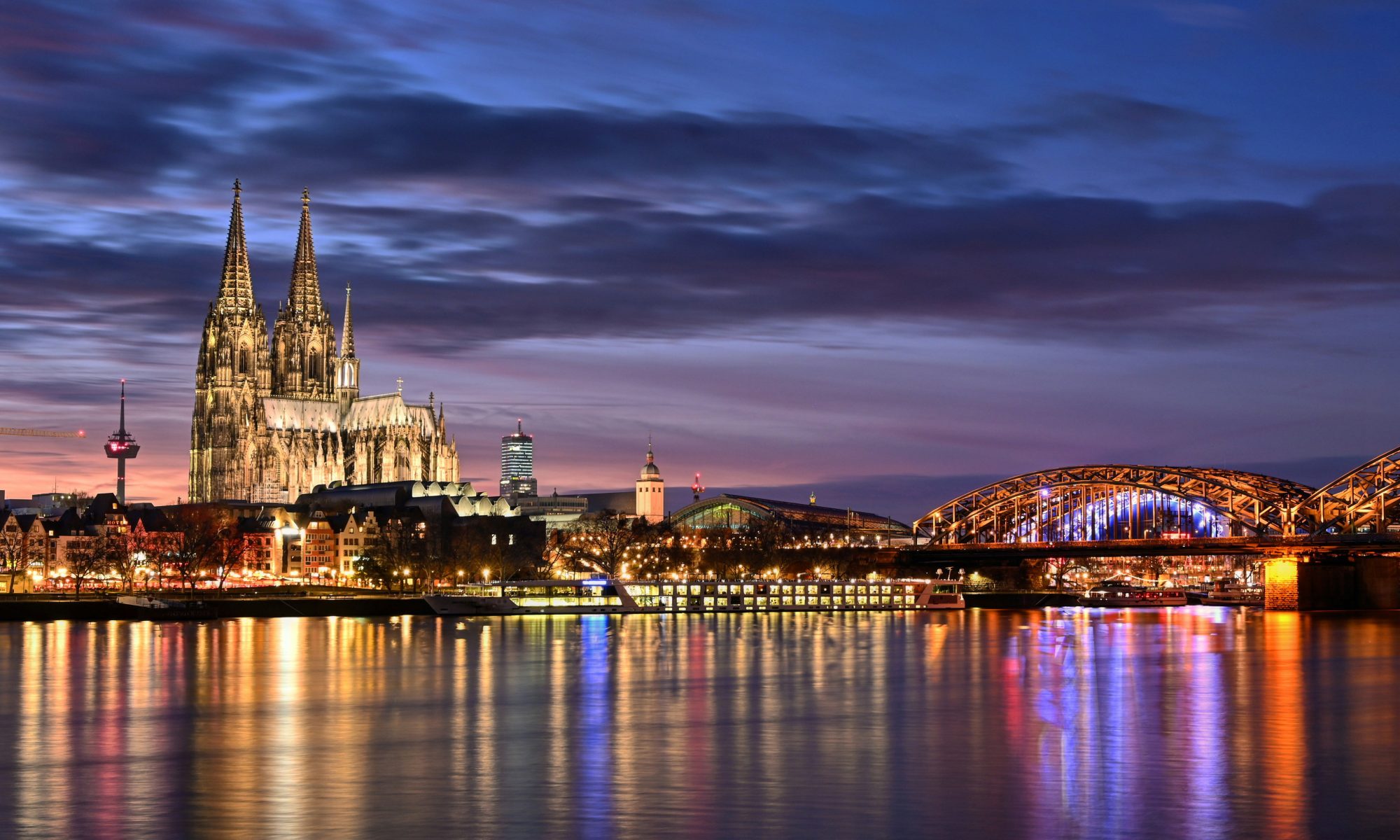
FRANKFURT AS A FINANCIAL CENTER, GERMANY & INDIA: Frankfurt as a Bridge for Business, Innovation, and Community (Interview – Ajit Ranade, INDIA EUROPE BUSINESS DESK)

India, Germany, and Europe are growing increasingly closer economically, technologically, and culturally. Frankfurt am Main plays a special role in this context as an international financial center, transportation hub, and home to a large Indian community. The India-Europe Business Day will take place again this year. On June 13, 2026, there will be an opportunity to exchange ideas in the Main metropolis. In conversation with Markus Hill, Ajit Ranade of INDIA EUROPE BUSINESS DESK explains why he has been committed to fostering ties between India and Germany for years, which industries will be particularly interesting in the future, and why Frankfurt serves as a natural springboard to Germany for many Indian entrepreneurs, professionals, and students.

Hill: Why are you so deeply committed to cooperation between India and Germany?

Ranade: Personally, I am convinced that India and Germany are natural partners and friends. Both countries share many values, complement each other’s strengths, and have learned from one another over many years.

I have been living in Germany and Europe for more than a decade and have been active in various social, cultural, and civic initiatives during this time. I have also organized numerous events and have been involved in Frankfurt’s local politics in the past. Through these experiences, I have repeatedly observed that India and Germany share a strong, positive relationship characterized by mutual respect, trust, and interest in one another.

From an economic perspective, the opportunities are enormous, too. The number of Indian professionals and students in Germany is growing steadily. At the same time, both countries have much to offer each other in trade, investment, innovation, and exchanges between people, companies, and institutions.

It is precisely this conviction that drives my support for platforms such as the India Europe Business Day. Their purpose is to bring together companies, experts, policymakers, and community representatives to foster connections that can develop into long-term collaborations.”

I also have a special personal connection: I come from Pune, a city often referred to as the “German capital of India.” Pune has long maintained close ties with Germany. German language instruction began there more than a century ago, and today numerous German and European companies are represented in the region. During my professional career in Pune, particularly between 2005 and 2012, I was able to observe firsthand how German Global Capability Centers and German investments in India have grown.

These experiences have greatly shaped my appreciation for the Indo-German partnership. They continue to motivate me to this day to do my small part to further strengthen this relationship through economic, cultural, and social engagement.

Hill: In which fields do you see the greatest potential for cooperation between India and Germany in the coming years?

Ranade: Traditional sectors such as the automotive industry, automotive suppliers, pharmaceuticals, life sciences, mechanical engineering, engineering, and industrial equipment have formed the backbone of economic cooperation between India and Germany for many years. In these areas, there is already a strong foundation that has grown over decades. At the same time, I also see considerable potential for growth, deepening, and new forms of cooperation in these sectors.

In my view, the defense sector is a particularly interesting field. India and Germany have begun to cooperate more closely in this area in recent years. We are already seeing important agreements and strategic partnerships between companies and institutions in both countries. This sector could become significantly more important in the future.

Another field with great potential is textiles and leather. India is known worldwide for the quality, scale, and efficiency of its textile industry. Countries like Germany and Italy, in turn, possess highly advanced manufacturing technologies. Technical textiles, in particular, therefore offer great opportunities: here, Indian production expertise and European technological and innovative strength can come together in a very meaningful way.

The leather industry also offers opportunities for knowledge transfer, technological modernization, and improved market access on both sides.

Furthermore, I see tremendous opportunities in startups and innovation-driven companies. German and Indian startups can learn a great deal from one another. Germany stands for engineering excellence, research, precision, and industrial quality. India brings enormous strengths in scaling, digital innovation, and entrepreneurship. When these capabilities are combined, solutions can emerge that are internationally competitive and create benefits for both sides.

Other key future sectors include semiconductors, energy, sustainability, advanced manufacturing, and technological innovation. Overall, the future of Indo-German cooperation lies not only in further strengthening traditional industries but also in systematically expanding new sectors such as defense, technical textiles, sustainable technologies, startups, and innovation-oriented business models.

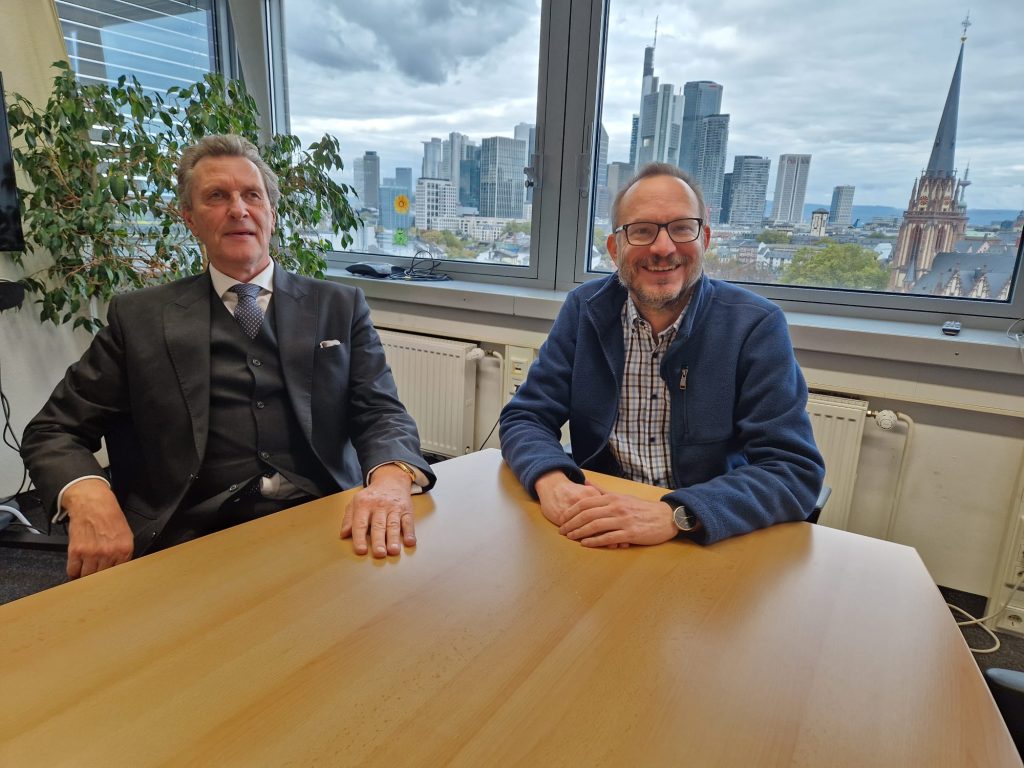
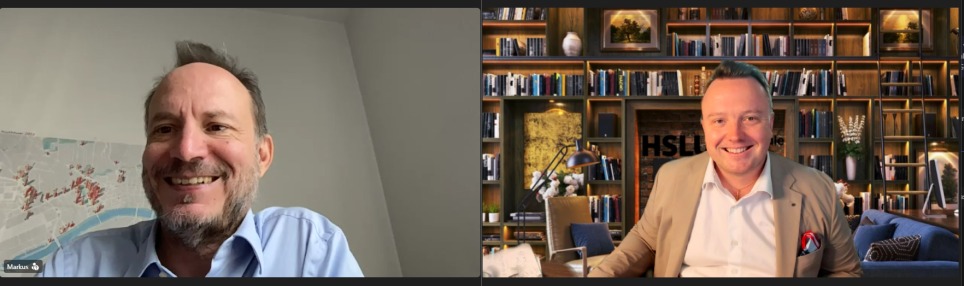
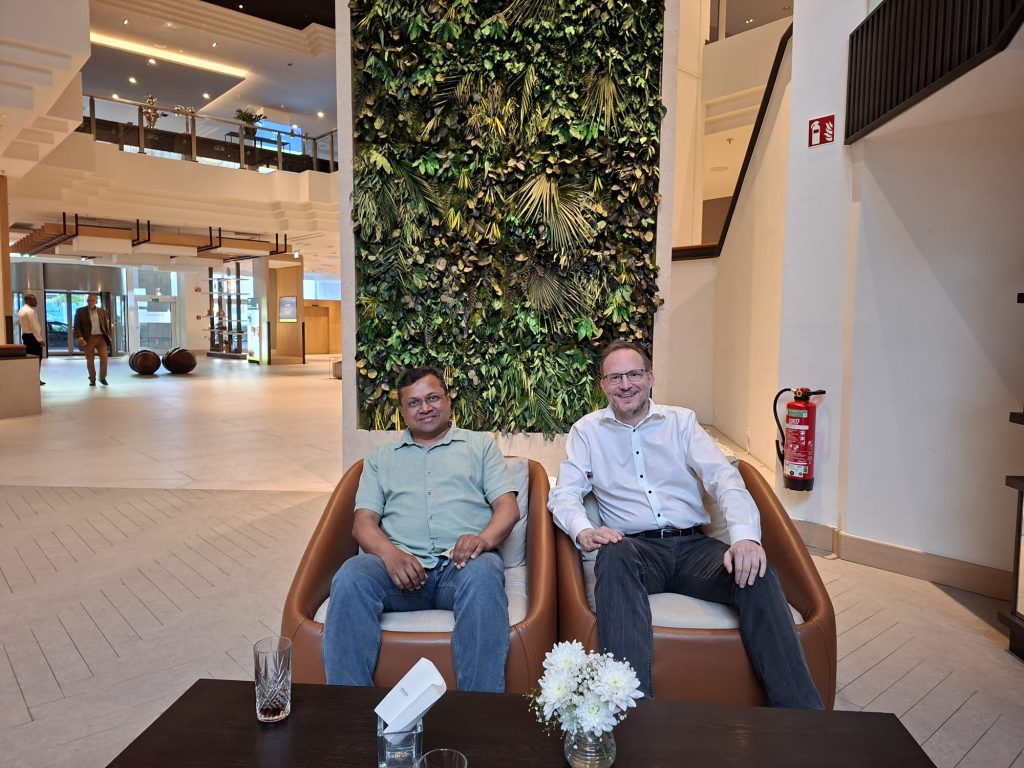
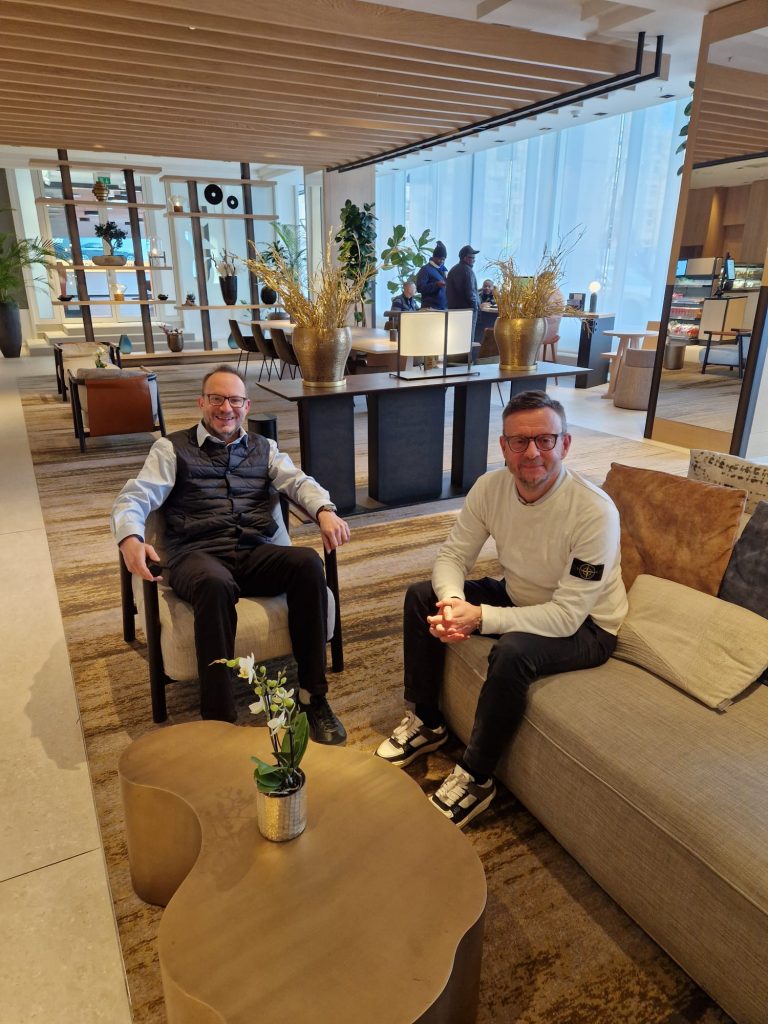
Ajit Ranade, India Europe Business Desk & Markus Hill, Finanzplatz Frankfurt am Main

Hill: What significance does Frankfurt hold as a bridge between India and Germany?

Ranade: Frankfurt is a very interesting city. Although Frankfurt is only the fifth-largest city in Germany, it plays an extraordinarily important role as the headquarters of the European Central Bank, as the location of many international banks, and as one of Europe’s most significant financial centers.

The city has been home to a large Indian community for decades. Frankfurt is also considered very open and welcoming, especially for expats. Many people feel safe, welcome, and well-integrated here. Unlike some more traditional German cities, Frankfurt has a very international character. People from many nations live and work here, numerous languages are spoken, and this cultural diversity makes the city lively, dynamic, and global.

Another key advantage is its connectivity. Frankfurt Airport is one of Europe’s most important passenger and cargo hubs. For many Indians, Frankfurt is their first point of arrival in Germany. A significant portion of travelers from India come to Germany via Frankfurt. Thanks to excellent flight connections, major Indian cities like Mumbai or Delhi can be reached in about eight to nine hours. This creates a special closeness to India that many people greatly appreciate.

Added to this is its central location within Germany and Europe. Whether traveling north, south, east, or west—many destinations are easily and quickly accessible from Frankfurt. This combination of internationality, economic significance, strong infrastructure, good accessibility, and an open atmosphere makes Frankfurt a special place to live, work, and build connections between India and Germany.

Hill: Thank you very much for the interview. We at FINANZPLATZ FRANKFURT AM MAIN and INVESTING IN INDIA are happy to support your interesting initiative. A special thank you to Andreas Heuberger, who brought your initiative to our attention. We look forward to welcoming you again in Frankfurt for more stimulating discussions.

Information about the India-Europe Business Day 2026 (June 13, 2026):

www.conference.iebd.eu

Dialogue & Information:

FINANZPLATZ FRANKFURT AM MAIN on LINKEDIN – CHANNEL

FINANZPLATZ FRANKFURT AM MAIN on LINKEDIN – GROUP

FUND BOUTIQUES on LINKEDIN – CHANNEL

FINANZPLATZ-FRANKFURT-MAIN.DE, DACHLI Region & FONDSBOUTIQUEN.DE (2026) – Topics, Interests, Dialogue (Selection & “Snapshots”)

February 25, 2026, Frankfurt – “Frankfurt am Main Financial Center Meets Wealth Management”

(Markus Hill – Moderators: Christian Neuhaus – FINVIA, Sven Karkossa – Capitell Vermögens-Management AG, Noel Zeh – Wunderland Capital)

February 26, 2026, Frankfurt – “Forum for Digital Assets (FDV)”

Editorial Team – Special Feature “Frankfurt am Main Financial Center Meets Wealth Management & Digital Assets”

(Interviews / Guest Contributions, “Support” & MORE: info: markus-hill.com)

March 17, 2026, Frankfurt – Private Markets Excellence Forum – “Private Markets, Family Offices & Foundations – Due Diligence & Outlook 2026”

(Markus Hill – Fireside Chat: J. Paulo Dos Santos – Managing Director, VIRATIO GmbH)

Interview with Christian Hommens – SMART IMPACT INVESTING & PRIVATE MARKETS

Spring 2026Investor Study “Preferences of Institutional Investors in Real Estate & Alternative Investments”

(Markus Hill – Moderator, Podcast: Sebastian Thürmer, “artis & x” – Example 2025)

April 16, 2026 – “köln let’s talk” – Bettina Timmler – Real Estate & Dialogue

(Media partnership)

May 12, 2026, Frankfurt: “Value Investing & Commodities & MORE”

(Markus Hill – Moderator & Short Introduction “Fund Boutiques & the U.S. Formula” – Alex J. Rauschenstein & Urs Marti, SIA FUNDS AG – FINANCIAL CENTER SWITZERLAND)

June 17, 2026, Zurich: Insights – “Family Offices & Fund Boutiques” – The Mountain Talks Summit – FUNDPLAT

(Presentation – Markus Hill)

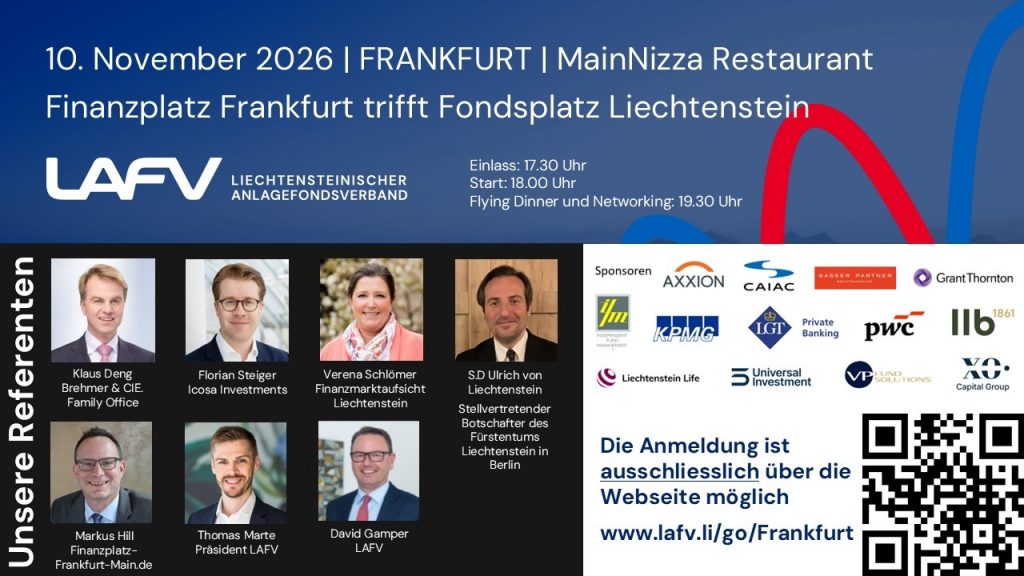
November 10, 2026, Frankfurt: “Frankfurt am Main Financial Center Meets Liechtenstein Financial Center”

(Markus Hill – Moderator – LAFV Liechtenstein Investment Fund Association: Panel & Presentations)

Input, ideas, and suggestions on the above topics are welcome:

info@markus-hill.com / +49 (0) 163 4616 179

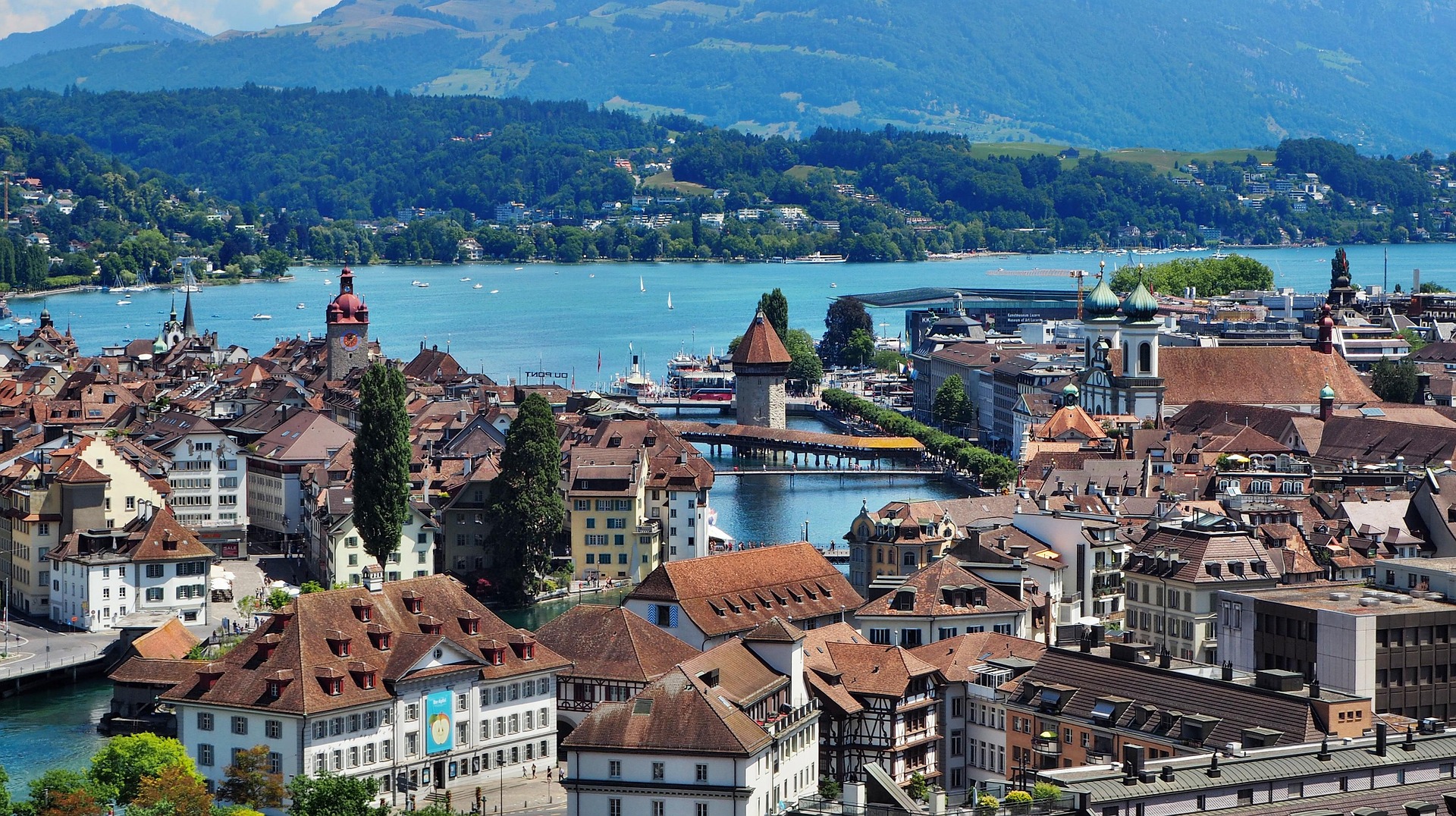
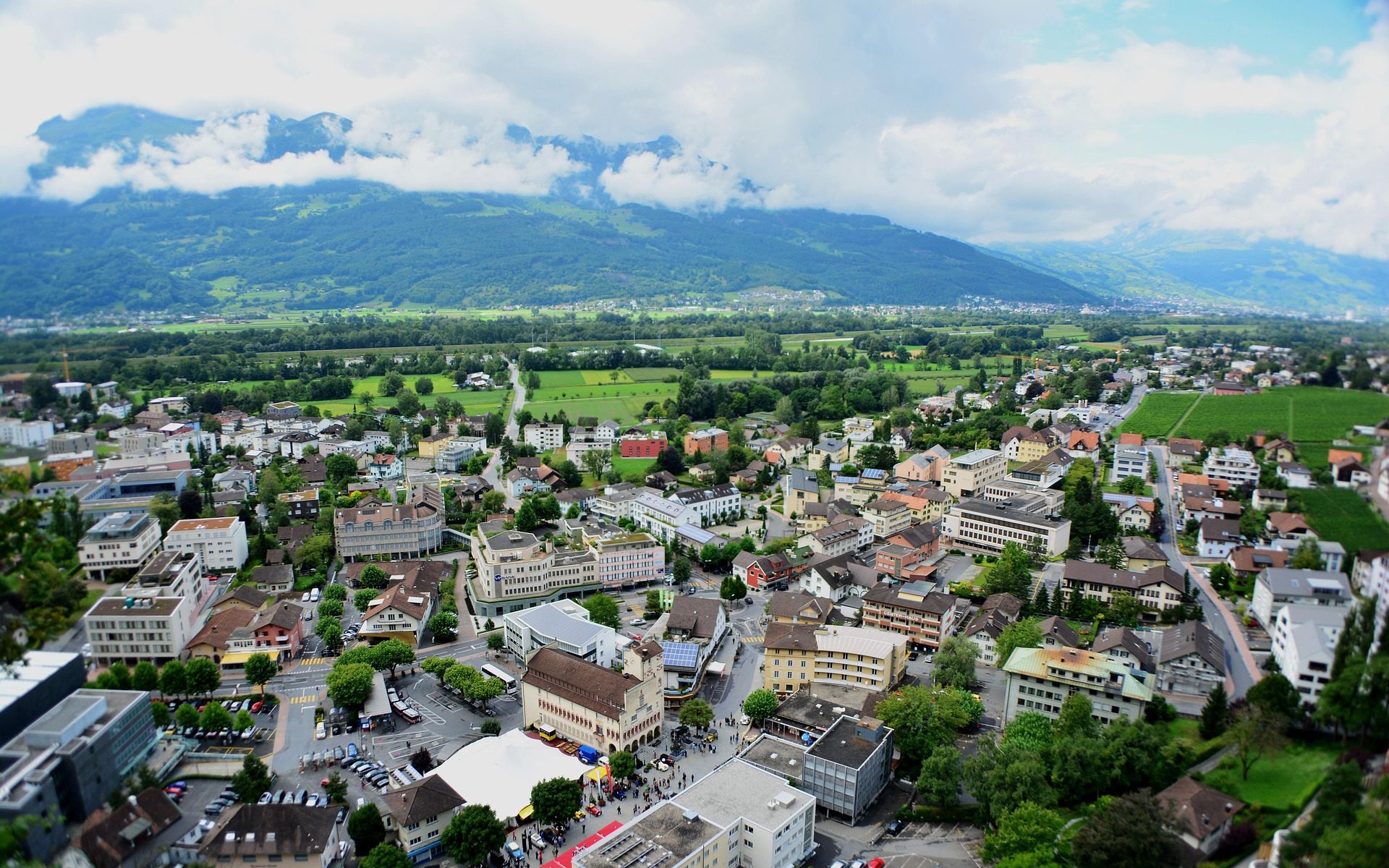
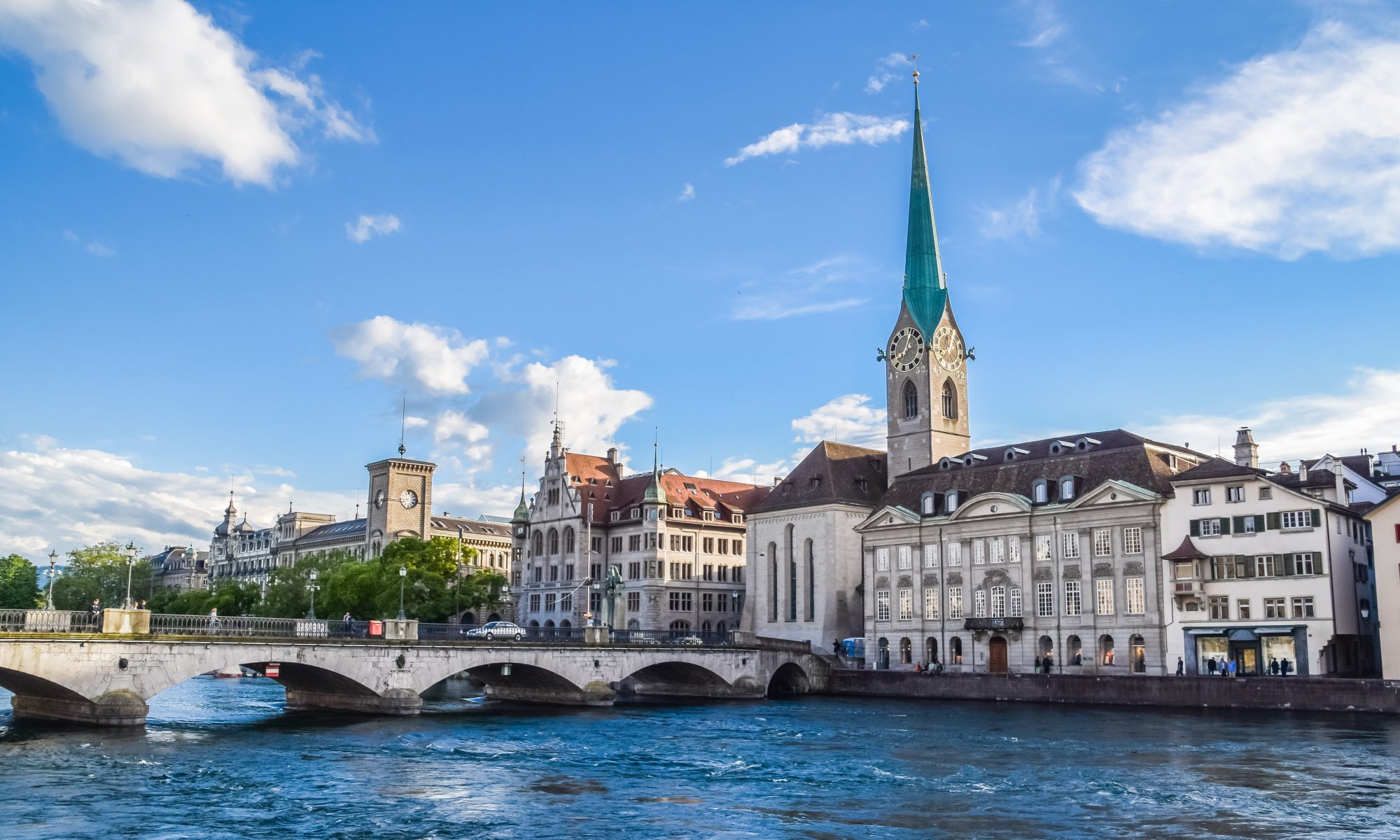
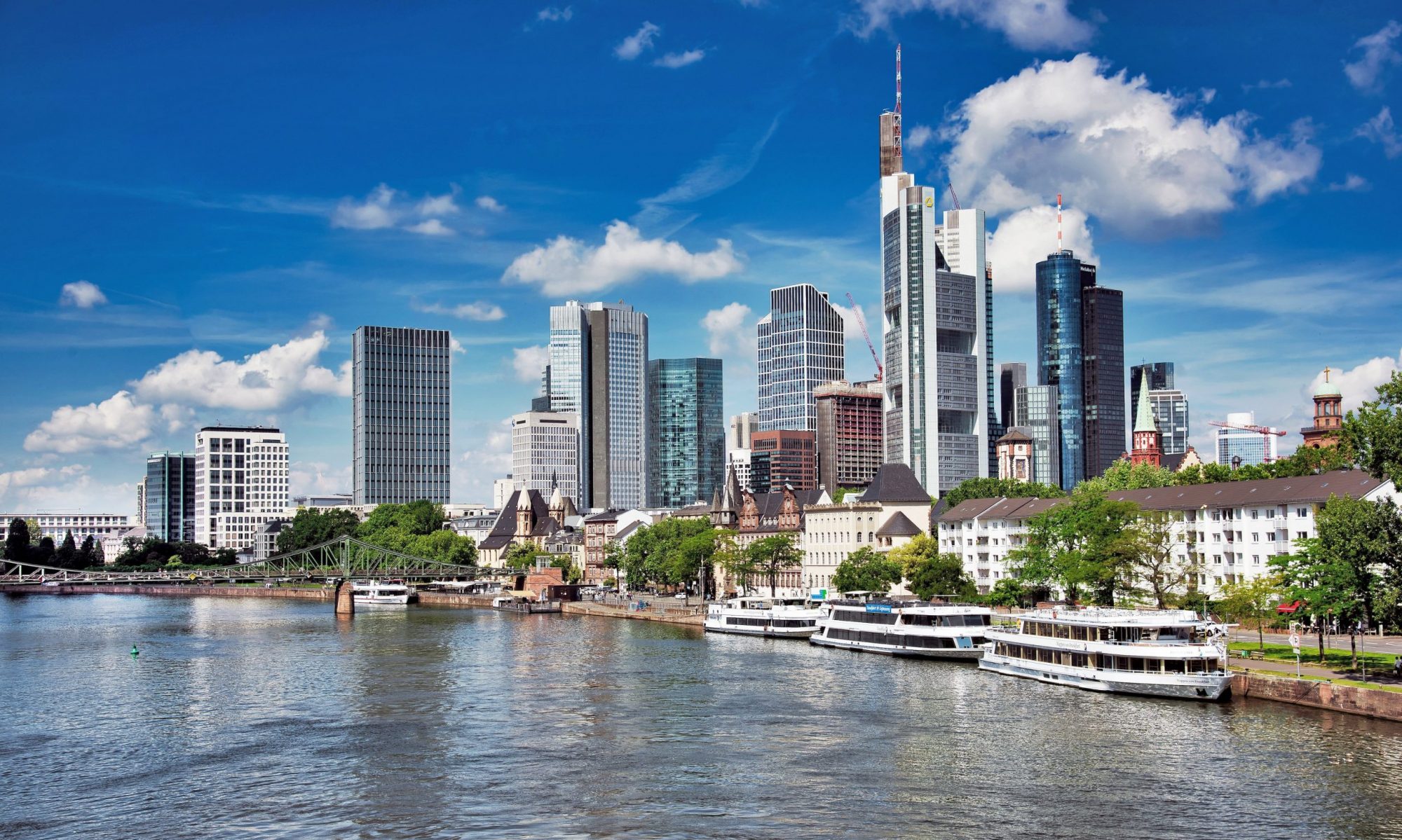
Photo: Pixabay

FINANZPLATZ FRANKFURT, DEUTSCHLAND & INDIEN: Frankfurt als Brücke für Wirtschaft, Innovation und Community (Interview – Ajit Ranade, INDIA EUROPE BUSINESS DESK)

Indien, Deutschland und Europa rücken wirtschaftlich, technologisch und kulturell zunehmend näher zusammen. Frankfurt am Main spielt dabei als internationaler Finanzplatz, Verkehrsdrehscheibe und Standort einer großen indischen Community eine besondere Rolle. Auch in diesem Jahr findet der India-Europe Business Day wieder statt. Am 13.6.2026 ergibt sich die Gelegenheit zum Gedankenaustausch in der Mainmetropole. Im Gespräch mit Markus Hill erläutert Ajit Ranade, INDIA EUROPE BUSINESS DESK, warum er sich seit Jahren für die Verbindung zwischen Indien und Deutschland engagiert, welche Branchen in Zukunft besonders interessant werden und weshalb Frankfurt für viele indische Unternehmer, Fachkräfte und Studierende ein natürliches Sprungbrett nach Deutschland ist.

Hill: Warum engagieren Sie sich sehr intensiv für die Kooperation von Indien und Deutschland?

Ranade: Persönlich bin ich davon überzeugt, dass Indien und Deutschland natürliche Partner und Freunde sind. Beide Länder teilen viele Werte, ergänzen sich in ihren Stärken und haben über viele Jahre hinweg voneinander gelernt.

Ich lebe seit mehr als einem Jahrzehnt in Deutschland und Europa und war in dieser Zeit in verschiedenen sozialen, kulturellen und gesellschaftlichen Initiativen aktiv. Zudem habe ich zahlreiche Veranstaltungen organisiert und mich in der Vergangenheit auch in der Frankfurter Stadtpolitik engagiert. Durch all diese sämtlichen Erfahrungen habe ich immer wieder wahrgenommen, dass Indien und Deutschland eine starke, positive Beziehung verbindet – geprägt von gegenseitigem Respekt, Vertrauen und Interesse aneinander.

Auch aus wirtschaftlicher Sicht sind die Chancen enorm. Die Zahl indischer Fachkräfte und Studierender in Deutschland wächst kontinuierlich. Gleichzeitig haben beide Länder einander viel zu bieten – bei Handel, Investitionen, Innovation und beim Austausch zwischen Menschen, Unternehmen und Institutionen.

Genau aus dieser Überzeugung heraus unterstütze ich Plattformen wie den India-Europe Business Day. Ziel ist es, Unternehmen, Fachleute, politische Entscheider und Vertreter der Community zusammenzubringen und Verbindungen zu schaffen, aus denen langfristige Kooperationen entstehen können.

Auch persönlich gibt es für mich eine besondere Verbindung: Ich komme aus Pune, einer Stadt, die oft als „deutsche Hauptstadt Indiens“ bezeichnet wird. Pune pflegt seit langer Zeit enge Beziehungen zu Deutschland. Der Deutschunterricht begann dort bereits vor mehr als hundert Jahren, und heute sind in der Region zahlreiche deutsche und europäische Unternehmen vertreten. Während meiner beruflichen Laufbahn in Pune, insbesondere zwischen 2005 und 2012, konnte ich aus nächster Nähe beobachten, wie deutsche Global Capability Centers und deutsche Investitionen in Indien gewachsen sind.

Diese Erfahrungen haben meine Wertschätzung für die indisch-deutsche Partnerschaft stark geprägt. Sie motivieren mich bis heute, meinen kleinen Beitrag dazu zu leisten, diese Beziehung durch wirtschaftliches, kulturelles und gesellschaftliches Engagement weiter zu stärken.

Ajit Ranade, India Europe Business Desk, Frankfurt & Markus Hill, Finanzplatz Frankfurt am Main

Hill: Auf welchen Feldern sehen Sie in den nächsten Jahren das größte Potenzial für die Zusammenarbeit von Indien und Deutschland?

Ranade: Die klassischen Sektoren wie Automobilindustrie, Automobilzulieferer, Pharma, Life Sciences, Maschinenbau, Engineering und industrielle Ausrüstung bilden seit vielen Jahren das Rückgrat der wirtschaftlichen Zusammenarbeit zwischen Indien und Deutschland. In diesen Bereichen gibt es bereits ein starkes Fundament, das über Jahrzehnte gewachsen ist. Gleichzeitig sehe ich auch dort weiterhin erhebliches Potenzial für Wachstum, Vertiefung und neue Formen der Zusammenarbeit.

Ein besonders interessantes Feld ist aus meiner Sicht der Verteidigungssektor. Indien und Deutschland haben in den vergangenen Jahren begonnen, in diesem Bereich enger zusammenzuarbeiten. Wir sehen bereits wichtige Vereinbarungen und strategische Partnerschaften zwischen Unternehmen und Institutionen beider Länder. Dieser Bereich kann in Zukunft deutlich an Bedeutung gewinnen.

Ein weiteres Feld mit großem Potenzial sind Textilien und Leder. Indien ist weltweit für Qualität, Skalierung und Leistungsfähigkeit seiner Textilindustrie bekannt. Länder wie Deutschland und Italien verfügen wiederum über hochentwickelte Fertigungstechnologien. Gerade technische Textilien bieten daher große Chancen: Hier können indische Produktionskompetenz und europäische Technologie- und Innovationsstärke sehr sinnvoll zusammenkommen.

Auch die Lederindustrie bietet Möglichkeiten für Wissenstransfer, technologische Modernisierung und verbesserten Marktzugang auf beiden Seiten.

Darüber hinaus sehe ich sehr große Chancen bei Start-ups und innovationsgetriebenen Unternehmen. Deutsche und indische Start-ups können viel voneinander lernen. Deutschland steht für Ingenieurskunst, Forschung, Präzision und industrielle Qualität. Indien bringt enorme Stärken bei Skalierung, digitaler Innovation und Unternehmertum mit. Wenn diese Fähigkeiten zusammengeführt werden, können Lösungen entstehen, die international wettbewerbsfähig sind und für beide Seiten Nutzen stiften.

Weitere wichtige Zukunftsfelder sind Halbleiter, Energie, Nachhaltigkeit, Advanced Manufacturing und technologische Innovation. Insgesamt liegt die Zukunft der indisch-deutschen Zusammenarbeit nicht nur darin, traditionelle Industrien weiter zu stärken, sondern auch, neue Sektoren wie Verteidigung, technische Textilien, nachhaltige Technologien, Start-ups und innovationsorientierte Geschäftsmodelle systematisch auszubauen.

Hill: Welche Bedeutung hat Frankfurt als Brücke zwischen Indien und Deutschland?

Ranade: Frankfurt ist eine sehr interessante Stadt. Obwohl Frankfurt nur die fünftgrößte Stadt Deutschlands ist, spielt sie eine außerordentlich wichtige Rolle – als Sitz der Europäischen Zentralbank, als Standort vieler internationaler Banken und als einer der bedeutendsten Finanzplätze Europas.

Die Stadt ist seit Jahrzehnten Heimat einer großen indischen Community. Frankfurt gilt zudem als sehr offen und einladend, gerade für Expats. Viele Menschen fühlen sich hier sicher, willkommen und gut eingebunden. Im Unterschied zu manchen traditionelleren deutschen Städten ist Frankfurt sehr international geprägt. Menschen aus vielen Nationen leben und arbeiten hier, es werden zahlreiche Sprachen gesprochen, und diese kulturelle Vielfalt macht die Stadt lebendig, dynamisch und global.

Ein weiterer entscheidender Vorteil ist die Konnektivität. Der Frankfurter Flughafen gehört zu den wichtigsten Passagier- und Frachtflughäfen Europas. Für viele Inder ist Frankfurt der erste Ankunftsort in Deutschland. Ein erheblicher Teil der Reisenden aus Indien kommt über Frankfurt nach Deutschland. Durch die guten Flugverbindungen sind wichtige indische Metropolen wie Mumbai oder Delhi in etwa acht bis neun Stunden erreichbar. Das schafft eine besondere Nähe zu Indien, die viele Menschen sehr schätzen.

Hinzu kommt die zentrale Lage innerhalb Deutschlands und Europas. Ob man nach Norden, Süden, Osten oder Westen reist – viele Ziele sind von Frankfurt aus gut und schnell erreichbar. Diese Kombination aus Internationalität, wirtschaftlicher Bedeutung, starker Infrastruktur, guter Erreichbarkeit und einer offenen Atmosphäre macht Frankfurt zu einem besonderen Ort, um zu leben, zu arbeiten und Verbindungen zwischen Indien und Deutschland aufzubauen.

Hill: Vielen Dank für das Gespräch. Gerne unterstützen wir vom FINANZPLATZ FRANKFURT AM MAIN und auch INVESTING IN INDIA Ihr interessantes Format. Einen Extra-Dank noch an Andreas Heuberger an dieser Stelle, er hatte uns auf Ihr Format aufmerksam gemacht. Wir freuen uns auf ein Wiedersehen und auf interessante Gespräche in Frankfurt.

Information zur Veranstaltung India-Europe Business Day 2026 (13.6.2026):

www. conference.iebd.eu

Dialog & Information:

FINANZPLATZ FRANKFURT AM MAIN auf LINKEDIN – KANAL

FINANZPLATZ FRANKFURT AM MAIN auf LINKEDIN – GRUPPE

FONDSBOUTIQUEN auf LINKEDIN – KANAL

FINANZPLATZ-FRANKFURT-MAIN.DE, DACHLI-Region & FONDSBOUTIQUEN.DE (2026) – Themen, Interessen, Dialog (Auswahl & „Snapshots“)

25.2.2026, Frankfurt – „Finanzplatz Frankfurt am Main meets Wealthmanagement“

(Markus Hill – Moderation: Christian Neuhaus – FINVIA, Sven Karkossa – Capitell Vermögens-Management AG, Noel Zeh – Wunderland Capital)

26.2.2026, Frankfurt – „Forum für Digitale Vermögenswerte (FDV)“

Redaktion – Themenspecial „Finanzplatz Frankfurt am Main meets Wealthmanagement & Digital Assets“

(Interviews / Gastbeiträge, “Support” & MORE: info: markus-hill.com)

17.3.2026, Frankfurt – Private Markets Excellence Forum – „Private Markets, Family Offices & Stiftungen – Due Diligence & Ausblick 2026”

(Markus Hill – Fireside Chat: J. Paulo Dos Santos – Geschäftsführer, VIRATIO GmbH)

Interview mit Christian Hommens  SMART IMPACT INVESTING & PRIVATE MARKETS

Frühjahr 2026Investorenstudie „Präferenzen institutioneller Investoren bei Immobilien & Alternative Investments“

(Markus Hill – Moderation, Podcast: Sebastian Thürmer, “artis & x” – Beispiel 2025)

16.4.2026 – „köln let’s talk“ – Bettina Timmler – Immobilien & Dialog

(Medienpartnerschaft)

12.5.2026, Frankfurt: „Value Investing & Rohstoffe & MORE“

(Markus Hill – Moderation & Kurzintro „Fondsboutiquen & USA-Formel“ – Alex J. Rauschenstein & Urs Marti, SIA FUNDS AG – FINANZPLATZ SCHWEIZ)

17.6.2026, Zürich: Insights – “Family Offices & Fondsboutiquen” – The Mountain Talks Summit – FUNDPLAT

(Vortrag – Markus Hill)

10.11.2026, Frankfurt: „Finanzplatz Frankfurt am Main meets Finanzplatz Liechtenstein“

(Markus Hill – Moderation – LAFV Liechtensteinischer Anlagefondsverband: Panel & Vorträge)

Input, Ideen & Anregungen zu den oben genannten Themen sind willkommen:

info@markus-hill.com / +49 (0) 163 4616 179

Photo: Pixabay

FRANKFURT FINANCIAL CENTER & SWISS FINANCIAL CENTER: Digital Assets, Artificial Intelligence, Wealth Management, PKN – Private Key Network & Exchange of Ideas in Zurich (INTERVIEW – Markus Schwingshackl, Centro LAW)

“Our goal is to build a lasting network in the field of digital assets based on trust, expertise, and collaboration across national and professional boundaries.”

The intersections between traditional wealth management, digital assets, and international wealth structuring continue to gain significance. Entrepreneurs, family offices, and high-net-worth individuals, whose assets derive wholly or partly from the digital assets sector, are facing questions that go far beyond mere portfolio allocation: regulation, custody, asset protection, liquidity, succession, and the selection of a reliable financial center are coming more into focus. In an interview with FINANZPLATZ FRANKFURT, Markus Schwingshackl, an attorney and founder of Centro LAW in Zurich, explains why the Swiss financial center plays a special role in this context. It’s about combining innovative strength with legal certainty, addressing the needs of new generations of wealth, and the Private Key Network (PKN), which aims to bring together experts in private wealth, digital assets, and artificial intelligence on an international level. A dialogue on financial centers, trust, specialized knowledge, and new forms of collaboration in wealth management.

Hill: What does the Swiss financial center stand for in the field of digital assets?
Schwingshackl: In the field of digital assets, the Swiss financial center stands for specialized wealth management within an institutionally reliable framework. Over the years, a comprehensive range of services has developed, as it was recognized early on that digital assets are not merely a portfolio allocation for a growing number of entrepreneurs and investors, but often form the foundation of their wealth.
Trading, custody, lending, and staking are offered worldwide in a wide variety of forms, but the reliability of the regulatory framework varies just as much. This is precisely where Switzerland comes in, by combining innovation with legal certainty.
In addition to security, the performance and innovative strength of the infrastructure, transaction processing, and the generation of liquidity and returns also play a role in determining where wealth management strategies are implemented. Switzerland can draw on its leading expertise in international wealth management. This is complemented by a long-term perspective, particularly through the inclusion of wealth transfer to the next generation, which is becoming increasingly important as digital assets become a permanent component of wealth.
This creates a blend of traditional and modern wealth management that takes into account the specific volatility and liquidity aspects. Additionally, the Swiss financial center is characterized by the close and seamless collaboration among various service providers—a decisive factor in solving complex, client-specific problems even in niche areas.

Markus Hill & Markus Schwingshackl, Centro LAW

Hill: What are the specific challenges for asset owners regarding digital assets?
Schwingshackl: The central issue remains regulation. Despite the progress made in recent years, entrepreneurs in this sector continue to face significant risks. For asset owners, the location of custody and the ownership structure employed are key elements that must also be considered from a regulatory perspective to ensure the security of digital assets. Accordingly, asset protection is regularly high on the wealth planning agenda for both groups.
Furthermore, some of the challenges are similar to those faced by traditional asset owners. The current macroeconomic situation appears to be driving a search for stability to manage risks. International mobility has also gained in importance, and people are consciously preparing for potential developments such as trade conflicts, geopolitical tensions, rising inflation, or a recession. In the current environment, correlations between asset classes are also being reassessed and strategic orientations reviewed.
Ultimately, it can be summarized as follows: Whether traditional or digital—entrepreneurs and wealth holders want to preserve and protect their wealth. The speed of change requires agility and new approaches to wealth management from all stakeholders.

Hill: Speaking of new approaches to wealth management, you’ve founded a network in the digital assets sector. What’s that all about?
Schwingshackl: The Private Key Network is an association of experts in the field of private wealth with a focus on digital assets and artificial intelligence. Over the years, the paths of international specialists in this niche have crossed time and again. Together with my co-founders, we actively promote exchange and collaboration to develop new approaches in wealth management.
Already, several hundred million people worldwide own digital assets, either directly or indirectly. A growing proportion of these individuals are considered high-net-worth. It is precisely this group that needs reliable, cross-border wealth management solutions, such as those our members are developing.
Our goal is to build a sustainable network in the field of digital assets based on trust, expertise, and collaboration across national and disciplinary boundaries. We recently held our first meeting in London and are planning the next event in June in Zurich. We deliberately keep the group of participants small, as relevance, not size, is our priority. In this way, perspectives from different disciplines come together to address specific issues.
Following our successful launch in Europe, we aim to expand to other regions in the medium term, particularly the U.S. Anyone with in-depth expertise, a collaborative attitude, and a passion for innovation is welcome to contact us.

Hill: I look forward to seeing you soon at your second PKN event on June 1 in Zurich and to the presentation by Adam Hayes from the Lucerne University of Applied Sciences and Arts (HSLU). Thank you very much for the interview.

Dialogue & Information:

FINANZPLATZ FRANKFURT AM MAIN on LINKEDIN – CHANNEL

FINANZPLATZ FRANKFURT AM MAIN on LINKEDIN – GROUP

FUND BOUTIQUES on LINKEDIN – CHANNEL

FINANZPLATZ-FRANKFURT-MAIN.DE, DACHLI Region & FONDSBOUTIQUEN.DE (2026) – Topics, Interests, Dialogue (Selection & “Snapshots”)

February 25, 2026, Frankfurt – “Frankfurt am Main Financial Center Meets Wealth Management”

(Markus Hill – Moderators: Christian Neuhaus – FINVIA, Sven Karkossa – Capitell Vermögens-Management AG, Noel Zeh – Wunderland Capital)

February 26, 2026, Frankfurt – “Forum for Digital Assets (FDV)”

Editorial Team – Special Feature “Frankfurt am Main Financial Center Meets Wealth Management & Digital Assets”

(Interviews / Guest Contributions, “Support” & MORE: info: markus-hill.com)

March 17, 2026, Frankfurt – Private Markets Excellence Forum – “Private Markets, Family Offices & Foundations – Due Diligence & Outlook 2026”

(Markus Hill – Fireside Chat: J. Paulo Dos Santos – Managing Director, VIRATIO GmbH)

Interview with Christian Hommens SMART IMPACT INVESTING & PRIVATE MARKETS

Spring 2026: Investor Study “Preferences of Institutional Investors in Real Estate & Alternative Investments”

(Markus Hill – Moderator, Podcast: Sebastian Thürmer, “artis & x” – Example 2025)

April 16, 2026 – “köln let’s talk” – Bettina Timmler – Real Estate & Dialogue

(Media partnership)

May 12, 2026, Frankfurt: “Value Investing & Commodities & MORE”

(Markus Hill – Moderator & Short Introduction “Fund Boutiques & the U.S. Formula” – Alex J. Rauschenstein & Urs Marti, SIA FUNDS AG – FINANCIAL CENTER SWITZERLAND)

June 17, 2026, Zurich: Insights – “Family Offices & Fund Boutiques” – The Mountain Talks Summit – FUNDPLAT

(Presentation – Markus Hill)

November 10, 2026, Frankfurt: “Frankfurt am Main Financial Center Meets Liechtenstein Financial Center”

(Markus Hill – Moderator – LAFV Liechtenstein Investment Fund Association: Panel & Presentations)

Input, ideas, and suggestions on the above topics are welcome:

info@markus-hill.com / +49 (0) 163 4616 179

Photo: Pixabay

SOURCE: IPE D.A.CH


FINANZPLATZ FRANKFURT & FINANZPLATZ SCHWEIZ: Digital Assets, Künstliche Intelligenz, Wealth Management, PKN – Private Key Network & Gedankenaustausch in Zürich (INTERVIEW – Markus Schwingshackl, Centro LAW)

„Unser Ziel ist es, ein dauerhaftes Netzwerk im Bereich Digitale Assets aufzubauen, das auf Vertrauen, Expertise und Zusammenarbeit über Länder- und Fachgrenzen hinweg basiert“

Die Schnittstellen zwischen klassischem Wealth Management, Digitale Assets und internationaler Vermögensstrukturierung gewinnen weiter an Bedeutung. Gerade Unternehmer, Family Offices und Vermögensinhaber, deren Vermögen ganz oder teilweise aus dem Bereich digitaler Assets stammt, stehen vor Fragen, die weit über reine Portfolioallokation hinausgehen: Regulierung, Verwahrung, Asset Protection, Liquidität, Nachfolge und die Wahl eines verlässlichen Finanzplatzes rücken stärker in den Vordergrund. Im Gespräch für FINANZPLATZ FRANKFURT mit Markus Hill erläutert Markus Schwingshackl, Rechtsanwalt und Gründer von Centro LAW in Zürich, weshalb der Finanzplatz Schweiz in diesem Umfeld eine besondere Rolle einnimmt. Es geht um die Verbindung von Innovationskraft und Rechtssicherheit, um die Anforderungen neuer Vermögensgenerationen sowie um das Private Key Network (PKN), das Experten aus Private Wealth, Digitalen Assets und künstlicher Intelligenz international zusammenbringen möchte. Ein Dialog über Finanzplätze, Vertrauen, Spezialwissen und neue Formen der Zusammenarbeit im Wealth Management.

Markus Hill & Markus Schwingshackl, Centro LAW

Hill: Wofür steht der Schweizer Finanzplatz im Bereich digitaler Assets?
Schwingshackl: Der Finanzplatz Schweiz steht im Bereich Digitaler Assets für spezialisiertes Wealth Management in einem institutionell verlässlichen Rahmen. Über die Jahre hat sich ein umfassendes Serviceangebot entwickelt, da man frühzeitig erkannt hat, dass Digitale Assets für eine wachsende Zahl von Unternehmern und Investoren nicht nur eine Portfolioallokation sind, sondern häufig den Ursprung ihres Vermögens bilden.
Trading, Custody, Lending und Staking werden weltweit in unterschiedlichsten Ausprägungen angeboten – die Verlässlichkeit der Rahmenbedingungen variiert jedoch ebenso. Genau hier setzt die Schweiz an, indem sie Innovation mit Rechtssicherheit verbindet.
Neben der Sicherheit spielen auch die Leistungsfähigkeit und Innovationskraft der Infrastruktur, die Transaktionsabwicklung sowie die Generierung von Liquidität und Erträgen eine Rolle bei der Frage, wo Wealth Management Strategien umgesetzt werden. Die Schweiz kann dabei auf ihr führendes Know-how in der internationalen Vermögensverwaltung zurückgreifen. Ergänzt wird dies durch eine langfristige Perspektive, insbesondere durch die Einbeziehung der Vermögensübertragung an die nächste Generation, die mit Digitalen Assets als dauerhafter Bestandteil des Vermögens zunehmend an Bedeutung gewinnt.
So entsteht eine Verbindung aus klassischem und modernem Wealth Management, die den besonderen Volatilitäts- und Liquiditätsaspekten Rechnung trägt. Zusätzlich zeichnet sich der Finanzplatz Schweiz durch die enge und nahtlose Zusammenarbeit der verschiedenen Dienstleister aus – ein entscheidender Faktor, um auch in Nischenbereichen komplexe, kundenspezifische Probleme zu lösen.

Hill: Wo liegen die besonderen Herausforderungen für Vermögensinhaber bei Digitalen Vermögenswerten?
Schwingshackl: Das zentrale Thema bleibt die Regulierung. Trotz der Fortschritte der letzten Jahre sind Unternehmer in diesem Bereich weiterhin erheblichen Risiken ausgesetzt. Für Vermögensinhaber sind der Ort der Verwahrung und die eingesetzte Eigentümerstruktur wesentliche Elemente, die auch aus regulatorischer Sicht zu berücksichtigen sind, um die Sicherheit digitaler Vermögenswerte zu gewährleisten. Entsprechend steht Asset Protection für beide Gruppen regelmäßig weit oben auf der Agenda der Vermögensplanung.
Darüber hinaus ähneln einige der Herausforderungen denen traditioneller Vermögensinhaber. Die aktuelle makroökonomische Lage scheint eine Suche nach Stabilität auszulösen, um Risiken zu steuern. Auch die internationale Mobilität hat an Bedeutung gewonnen und man bereitet sich bewusst auf mögliche Entwicklungen wie Handelskonflikte, geopolitische Spannungen, steigende Inflation oder eine Rezession vor. Im derzeitigen Umfeld werden zudem die Korrelationen zwischen Assetklassen neu bewertet und die strategische Ausrichtung überprüft.
Letztlich lässt es sich so zusammenfassen: Ob traditionell oder digital – Unternehmer und Vermögensinhaber wollen ihr Vermögen erhalten und schützen. Die Geschwindigkeit des Wandels erfordert von allen Beteiligten Agilität und neue Herangehensweisen im Wealth Management.

Hill: Apropos neue Herangehensweisen im Wealth Management. Sie haben ein Netzwerk im Bereich Digitaler Assets gegründet. Was hat es damit auf sich?
Schwingshackl: Das Private Key Network ist ein Zusammenschluss von Experten im Bereich Private Wealth mit Fokus auf Digitale Assets und Künstliche Intelligenz. Über die Jahre haben sich die Wege internationaler Spezialisten in dieser Nische immer wieder gekreuzt. Gemeinsam mit meinen Mitgründern fördern wir gezielt den Austausch und die Zusammenarbeit, um neue Ansätze im Wealth Management zu entwickeln.
Weltweit besitzen bereits mehrere hundert Millionen Menschen direkt oder indirekt Digitale Assets. Ein wachsender Teil dieser Menschen gilt als vermögend. Genau diese Gruppe benötigt verlässliche, grenzüberschreitende Wealth Management Lösungen, wie sie unsere Mitglieder erarbeiten.
Unser Ziel ist es, ein dauerhaftes Netzwerk im Bereich Digitale Assets aufzubauen, das auf Vertrauen, Expertise und Zusammenarbeit über Länder- und Fachgrenzen hinweg basiert. Wir hatten kürzlich unser erstes Treffen in London und planen die nächste Veranstaltung im Juni in Zürich. Den Teilnehmerkreis halten wir bewusst klein, denn nicht die Grösse, sondern die Relevanz steht im Vordergrund. Auf diese Weise treffen Perspektiven aus unterschiedlichen Disziplinen zusammen, um konkrete Fragestellungen zu beantworten.
Nach dem erfolgreichen Start in Europa wollen wir mittelfristig auch weitere Regionen, insbesondere die USA, einbeziehen. Wer fundiertes Fachwissen, eine kollaborative Haltung und Innovationsfreude mitbringt, kann sich gerne bei uns melden.

Hill: Ich freue mich auf unser Wiedersehen bei Ihrer zweiten PKN-Veranstaltung am 1. Juni in Zürich und auf den Vortrag von Adam Hayes von der HSLU Hochschule Luzern. Vielen Dank für das Gespräch.

Dialog & Information:

FINANZPLATZ FRANKFURT AM MAIN auf LINKEDIN – KANAL

FINANZPLATZ FRANKFURT AM MAIN auf LINKEDIN – GRUPPE

FONDSBOUTIQUEN auf LINKEDIN – KANAL

FINANZPLATZ-FRANKFURT-MAIN.DE, DACHLI-Region & FONDSBOUTIQUEN.DE (2026) – Themen, Interessen, Dialog (Auswahl & „Snapshots“)

25.2.2026, Frankfurt – „Finanzplatz Frankfurt am Main meets Wealthmanagement“

(Markus Hill – Moderation: Christian Neuhaus – FINVIA, Sven Karkossa – Capitell Vermögens-Management AG, Noel Zeh – Wunderland Capital)

26.2.2026, Frankfurt – „Forum für Digitale Vermögenswerte (FDV)“

Redaktion – Themenspecial „Finanzplatz Frankfurt am Main meets Wealthmanagement & Digital Assets“

(Interviews / Gastbeiträge, “Support” & MORE: info: markus-hill.com)

17.3.2026, Frankfurt – Private Markets Excellence Forum – „Private Markets, Family Offices & Stiftungen – Due Diligence & Ausblick 2026”

(Markus Hill – Fireside Chat: J. Paulo Dos Santos – Geschäftsführer, VIRATIO GmbH)

Interview mit Christian Hommens  SMART IMPACT INVESTING & PRIVATE MARKETS

Frühjahr 2026Investorenstudie „Präferenzen institutioneller Investoren bei Immobilien & Alternative Investments“

(Markus Hill – Moderation, Podcast: Sebastian Thürmer, “artis & x” – Beispiel 2025)

16.4.2026 – „köln let’s talk“ – Bettina Timmler – Immobilien & Dialog

(Medienpartnerschaft)

12.5.2026, Frankfurt: „Value Investing & Rohstoffe & MORE“

(Markus Hill – Moderation & Kurzintro „Fondsboutiquen & USA-Formel“ – Alex J. Rauschenstein & Urs Marti, SIA FUNDS AG – FINANZPLATZ SCHWEIZ)

17.6.2026, Zürich: Insights – “Family Offices & Fondsboutiquen” – The Mountain Talks Summit – FUNDPLAT

(Vortrag – Markus Hill)

10.11.2026, Frankfurt: „Finanzplatz Frankfurt am Main meets Finanzplatz Liechtenstein“

(Markus Hill – Moderation – LAFV Liechtensteinischer Anlagefondsverband: Panel & Vorträge)

Input, Ideen & Anregungen zu den oben genannten Themen sind willkommen:

info@markus-hill.com / +49 (0) 163 4616 179

Foto: Pixabay

QUELLE: IPE D.A.CH

FINANZPLATZ FRANKFURT & DIALOG: Impact Investing & Private Markets – Family Offices & Institutionelle, Infrastruktur, Private Equity, Private Debt, Digital Assets, Ökosystem Frankfurt & MORE – Veranstaltung (INTERVIEW – Christian Hommens, Smart Bridges GmbH)

Impact Investing ist mehr als ein Etikett. Gerade in den Private Markets wird Wirkung zunehmend zur strategischen Kategorie – für Family Offices ebenso wie für institutionelle Investoren. Markus Hill spricht für FINANZPLATZ-FRANKFURT-MAIN.DE mit Christians Hommens über die kritischen Erfolgsfaktoren in diesem Investmentsegment und über die Bedeutung des fachlichen Dialogs zwischen Experten. Impact Messung, Impact Infrastructure, Private Equity, Sustainibility & Investing, Private Debt – diese und andere Themen bilden die Grundlage für den Gedankenaustausch im März im Rahmen einer Fachkonferenz (SMART IMPACT INVESTING & PRIVATE MARKETS). Unterstrichen wird die Bedeutung des Ökosystems Frankfurt für Themen wie Investment, Entscheidung und Regulierung in diesen Bereichen.

Hill: Impact Investing gilt oft als „nice to have“. Wo sehen Sie heute einen echten strukturellen Wandel – gerade in den Private Markets?

Christian Hommens, Smart Bridges GmbH & Markus Hill Finanzplatz Frankfurt

Hommens: Impact Investing entwickelt sich klar vom Zusatzthema zur strategischen Kernfrage. In den Private Markets erkennen Family Offices und institutionelle Investoren zunehmend, dass langfristige Rendite, Resilienz und Wirkung zusammengehören. Infrastruktur, Private Equity oder Private Credit ermöglichen es, Kapital gezielt einzusetzen – mit messbarem Impact und gleichzeitigem Wertschöpfungspotenzial. Wirkung wird damit zum Qualitätsmerkmal, nicht zum Kompromiss.

Hill: Wo scheitern Investoren in der Praxis – und warum lohnt sich der Austausch bei Smart Bridges?

Hommens: Schwer zu sagen, aber drei Punkte sehen wir immer wieder: fehlende Impact-Messbarkeit, unklare Governance-Strukturen und begrenzter Zugang zu überzeugendem Dealflow. Genau hier setzt unser Forum an. Wir bringen Investoren, Praktiker und Lösungsanbieter zusammen – nicht theoretisch, sondern praxisnah, interaktiv und auf Augenhöhe.

Hill: Welche Themen stehen konkret im Fokus der beiden Tage?

Hommens: Von Impact-Messung über soziale Wirkung bis hin zu Impact Infrastructure. Und natürlich werden Private Equity und Sustainable Portfolio Design genauer betrachtet – ergänzt durch Themen wie Private Credit, Infrastruktur, regulatorische Anforderungen und neue Strukturierungsmodelle. Immer mit Blick auf die Frage: Wie lässt sich Wirkung sinnvoll in Portfolios integrieren, ohne die Performance aus dem Blick zu verlieren?

Hill: Warum ist Frankfurt/Hessen der richtige Ort – und warum gerade jetzt?

Hommens: Frankfurt und Hessen vereinen Kapital, Entscheidungskompetenz und regulatorische Nähe. In einem Umfeld zunehmender Unsicherheit suchen Investoren nach Orientierung und langfristigen Lösungen. Die Verbindung von Impact Investing und Private Markets ist dafür hochrelevant – und unsere Region der ideale Ort für diesen Dialog.

Hill: Vielen Dank für das Gespräch. Ich freue mich auf den Fireside Chat am 17.2.2026 („Family Offices & Stiftungen“, Impact Investing) und auf die Gespräche vor Ort.

Information zur Veranstaltung „SMART IMPACT INVESTING EXCELLENCE FORUM“

Information zur Veranstaltung „PRIVATE MARKETS EXCELLENCE FORUM

Dialog & Information:

FINANZPLATZ FRANKFURT AM MAIN auf LINKEDIN – KANAL

FINANZPLATZ FRANKFURT AM MAIN auf LINKEDIN – GRUPPE

FONDSBOUTIQUEN auf LINKEDIN – KANAL

FINANZPLATZ-FRANKFURT-MAIN.DE, DACHLI-Region & FONDSBOUTIQUEN.DE (2026) – Themen, Interessen, Dialog (Auswahl & „Snapshots“)

25.2.2026, Frankfurt – „Finanzplatz Frankfurt am Main meets Wealthmanagement“

(Markus Hill – Moderation: Christian Neuhaus – FINVIA, Sven Karkossa – Capitell Vermögens-Management AG, Noel Zeh – Wunderland Capital)

26.2.2026, Frankfurt – „Forum für Digitale Vermögenswerte (FDV)“

Redaktion – Themenspecial „Finanzplatz Frankfurt am Main meets Wealthmanagement & Digital Assets“

(Interviews / Gastbeiträge, “Support” & MORE: info: markus-hill.com)

17.3.2026, Frankfurt Private Markets Excellence Forum – „Private Markets, Family Offices & Stiftungen – Due Diligence & Ausblick 2026”

(Markus Hill – Fireside Chat: J. Paulo Dos Santos – Geschäftsführer, VIRATIO GmbH)

Interview mit Christian Hommens SMART IMPACT INVESTING & PRIVATE MARKETS

Frühjahr 2026: Investorenstudie „Präferenzen institutioneller Investoren bei Immobilien & Alternative Investments“

(Markus Hill – Moderation, Podcast: Sebastian Thürmer, “artis & x” – Beispiel 2025)

16.4.2026 – „köln let’s talk“ – Bettina Timmler – Immobilien & Dialog

(Medienpartnerschaft)

12.5.2026, Frankfurt: „Value Investing & Rohstoffe & MORE“

(Markus Hill – Moderation & Kurzintro „Fondsboutiquen & USA-Formel“ – Alex J. Rauschenstein & Urs Marti, SIA FUNDS AG – FINANZPLATZ SCHWEIZ)

17.6.2026, Zürich: Insights – “Family Offices & Fondsboutiquen” – The Mountain Talks Summit – FUNDPLAT

(Vortrag – Markus Hill)

10.11.2026, Frankfurt: „Finanzplatz Frankfurt am Main meets Finanzplatz Liechtenstein“

(Markus Hill – Moderation – LAFV Liechtensteinischer Anlagefondsverband: Panel & Vorträge)

Input, Ideen & Anregungen zu den oben genannten Themen sind willkommen:

info@markus-hill.com / +49 (0) 163 4616 179

Foto: Pixabay